


New product introduction template
Plan new product introduction from concept to launch with one shared plan for stages, gate reviews, owners, and dates across engineering and operations.
Sign up to create your own template.
New product introduction template
Plan new product introduction from concept to launch with one shared plan for stages, gate reviews, owners, and dates across engineering and operations.
Create your templateSign up to create your own template.
INTEGRATED FEATURES
Recommended apps




What is new product introduction?
New product introduction (NPI) is the structured process that takes a product from concept through design validation, production readiness, and market launch. It covers every step between an approved idea and a product you can build at volume, sell, and support.
NPI runs from ideation to post-launch review, and it's heavily used in manufacturing, electronics, medical devices, and consumer goods. In manufacturing, NPI means proving that a design can be produced reliably, at target cost, with qualified suppliers. In business terms, it's the discipline that turns a product idea into revenue on schedule.
NPI is a cross-functional coordination problem as much as an engineering one. Design, quality, supply chain, operations, and marketing each own part of the outcome. A gap between any two of them can push back the launch date.
NPI vs NPD
Teams often confuse NPI with new product development (NPD). NPD spans concept to commercialization of the idea, while NPI focuses on making the product manufacturable, ready to scale, and ready to launch.
New product development (NPD)
Focus: Define the product idea, assess market fit, and develop the concept.
Typical owners: Product management, R&D, and industrial design lead the work.
End point: The product idea reaches commercialization.
New product introduction (NPI)
Focus: Prepare the product for manufacturing at scale and for launch.
Typical owners: An NPI or program manager leads the work with manufacturing engineering, quality, supply chain, and operations.
End point: Mass production is stable, the product has launched, and the team has completed its post-launch review.
If your team also plans the earlier discovery work, pair this plan with a product development template. That keeps concept work and production readiness connected while each process keeps its own owners.
What is a new product introduction template?
A new product introduction template is a reusable project that maps each NPI stage, gate review, deliverable, and owner. Teams copy it for each new product, adjust dates, and assign work, so no one has to rebuild the plan from scratch.
An NPI template also gives your process shared memory. When you update it with lessons from each post-launch review, every launch starts from what the last one taught you.
Create an NPI templateBenefits of a new product introduction template
Every NPI depends on handoffs between engineering, operations, and commercial teams. A shared template reduces the coordination tax by giving those handoffs one structure, one set of owners, and one timeline.
Faster time to market: Teams start from a proven plan with stages and dependencies already mapped, so setup takes less time.
Fewer late design changes: Requirements and DFM reviews happen early, while conceptual decisions are still open to debate.
Higher quality at scale: Quality checkpoints in EVT, DVT, and PVT catch defects before mass production begins.
Coordinated launch readiness: Marketing, sales, and support see production milestones and prepare on the same schedule.
Visibility for leaders: Status updates and Portfolios show each program's stage, risks, and gate decisions without manual roll-ups.
Early decisions carry outsized weight. At one aerospace firm, an early design decision study from The Design Society (2017) found conceptual-phase decisions cost on average 13 times more to change. The baseline was decisions made after the concept was fixed, and the overall comparison put early changes at 5 times the cost of later ones.
The business stakes are high too. In the PDMA 2021 global survey, firms self-reported an average new-product success rate of 59.6%, a figure that hasn't changed materially in 30 years. The same PDMA respondents said products launched in the previous five years averaged 45.2% of their sales.
When success rates hold steady for decades, process discipline is one of the few levers teams fully control. A repeatable template is where that discipline starts.
What to include in a new product introduction template
A strong NPI template mirrors the way your products move to market: seven stages, each closed by a gate review. Each gate review is an approval with a named decision owner, so people approve every move to the next stage. Build each stage as a section in your template. Each section ends with a gate deliverable that the decision owner reviews before work moves on.
Stage 1. Concept and planning
Form the core team, define product requirements, and set the budget and timeline.
Gate deliverable: Approved project charter and product requirements.
Stage 2. Feasibility
Build CAD models, review the design for manufacturability (DFM), and develop the business case.
Gate deliverable: Approved business case and DFM findings.
Stage 3. Engineering validation test (EVT)
Build prototypes and test them against the functional specifications.
Gate deliverable: EVT report confirming that the prototypes meet the functional specifications.
Stage 4. Design validation test (DVT)
Test candidate designs for reliability and compliance before freezing the design.
Gate deliverable: Design freeze and compliance test report.
Stage 5. Production validation test (PVT)
Run pilot builds using production tooling and measure yield.
Gate deliverable: Pilot yield report and production sign-off.
Stage 6. Launch and ramp-up
Start mass production and finish preparing for the market launch.
Gate deliverable: Approved launch readiness checklist.
Stage 7. Post-launch review
Review performance 30–60 days after launch and document what the team learned.
Gate deliverable: Lessons learned added to the template.
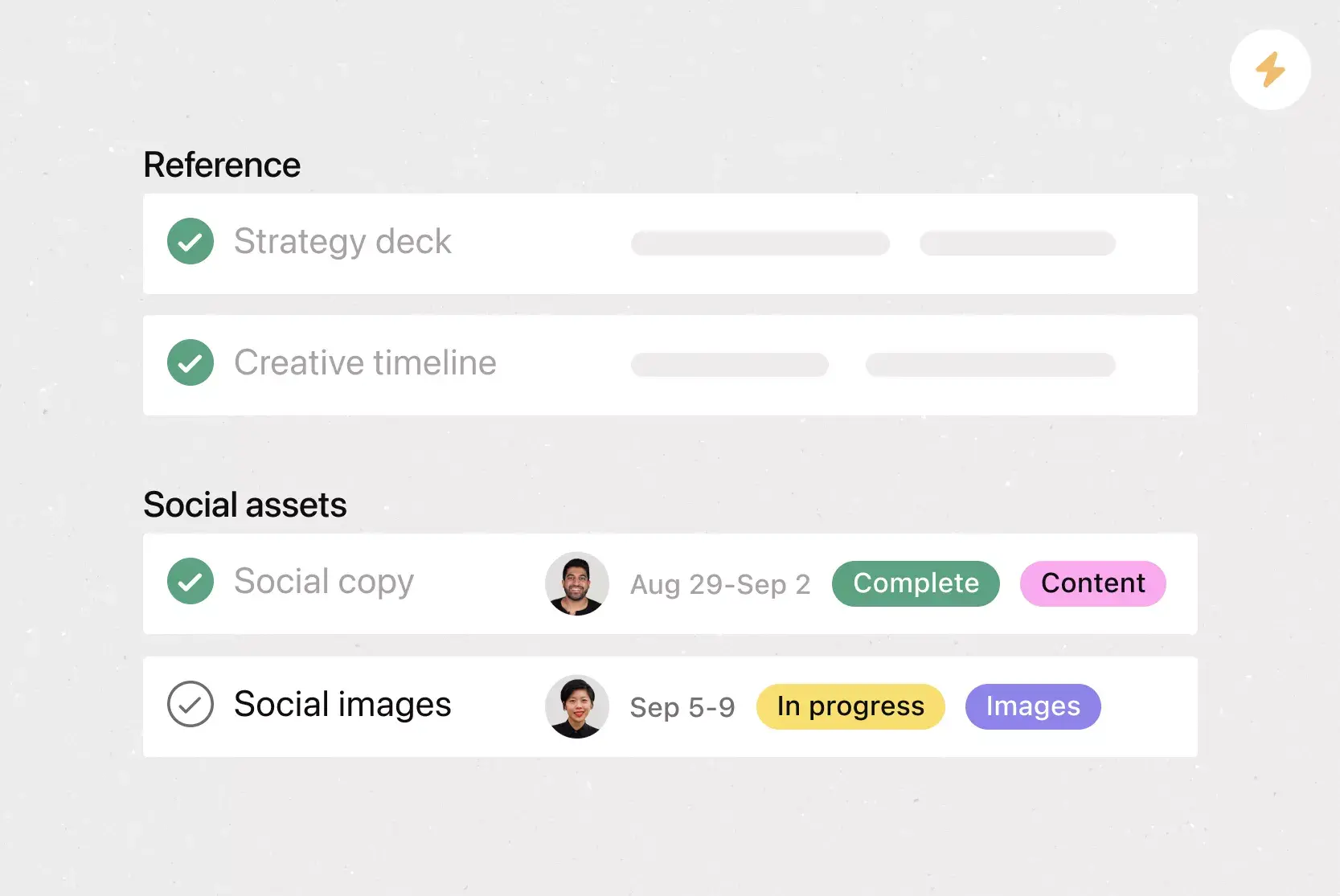
Read: Lessons learned template for better project reviewsInside each stage, give every task the same set of fields. Consistent fields let you sort, filter, and report across every program.
Owner: Name one accountable person for each task, deliverable, and gate.
Stage: Use a custom field to show where each task sits in the NPI process.
Gate approval: Create an approval task where the decision owner approves, requests changes, or rejects.
Risk: Flag each task as low, medium, or high risk so issues surface before gate reviews.
Supplier readiness: Track whether each critical supplier is qualified, in progress, or at risk.
NPI in manufacturing: from prototype to mass production
NPI in manufacturing is where design intent meets factory reality. DFM reviews, tooling decisions, pilot runs, supplier readiness, and ramp-up depend on each other. A delay in one ripples through the rest.
Ramp-up puts quality under pressure. In a 2023 CIRP Journal of Manufacturing Science and Technology manufacturing ramp-up survey, 23% of responses named quality as the main concern. The survey covered 147 manufacturers, and quality ranked ahead of time (18%) and cost (17%).
Build quality checkpoints into the PVT and ramp-up sections of your template. Add first-pass yield targets, defect thresholds, and supplier quality sign-offs as tasks that must close before the gate approval. With Asana for manufacturing teams, engineering, operations, and supplier work connect on one plan. Industry AI Teammates for manufacturing help track that work, while your team keeps ownership of every gate decision.
Create an NPI templateHow to use the new product introduction template
Setup takes a few deliberate choices up front. Follow these five steps so people and AI Teammates work from one plan through every stage of new product introduction.
1. Build your cross-functional NPI team
Start by naming the owners for each part of the launch. Assign a stage owner for every section of the template, so each gate has one accountable lead.
NPI or program manager: Owns the overall plan, schedule, and gate review cadence.
Design engineering: Owns product requirements, CAD, and design changes through DVT.
Manufacturing engineering: Leads DFM reviews, tooling, process design, and pilot builds.
Quality: Defines test plans, compliance requirements, and yield and defect targets.
Supply chain and procurement: Qualifies suppliers, secures components, and manages lead times.
Operations: Plans capacity, staffing, and the move to mass production.
Product marketing and sales: Prepare positioning, pricing, sales enablement, and launch timing.
Collaboration is the part teams most often underestimate. McKinsey product launch research from 2017 ranked team collaboration as the most important driver of successful launches, averaged across sectors. The same 2017 McKinsey study found that about half of product launches miss their business targets.
Alignment across functions is still hard. In Asana's Work Innovation Lab State of Work Innovation 2024 report, only 23% of respondents said different functions are very aligned on goals and objectives. One shared plan with named owners breaks down the information silos behind that gap.
2. Set goals, timeline, and gate criteria
Define the program objective and the success criteria for each gate before work begins. Write gate criteria as measurable checks, such as functional specs met at EVT or pilot yield on target at PVT.
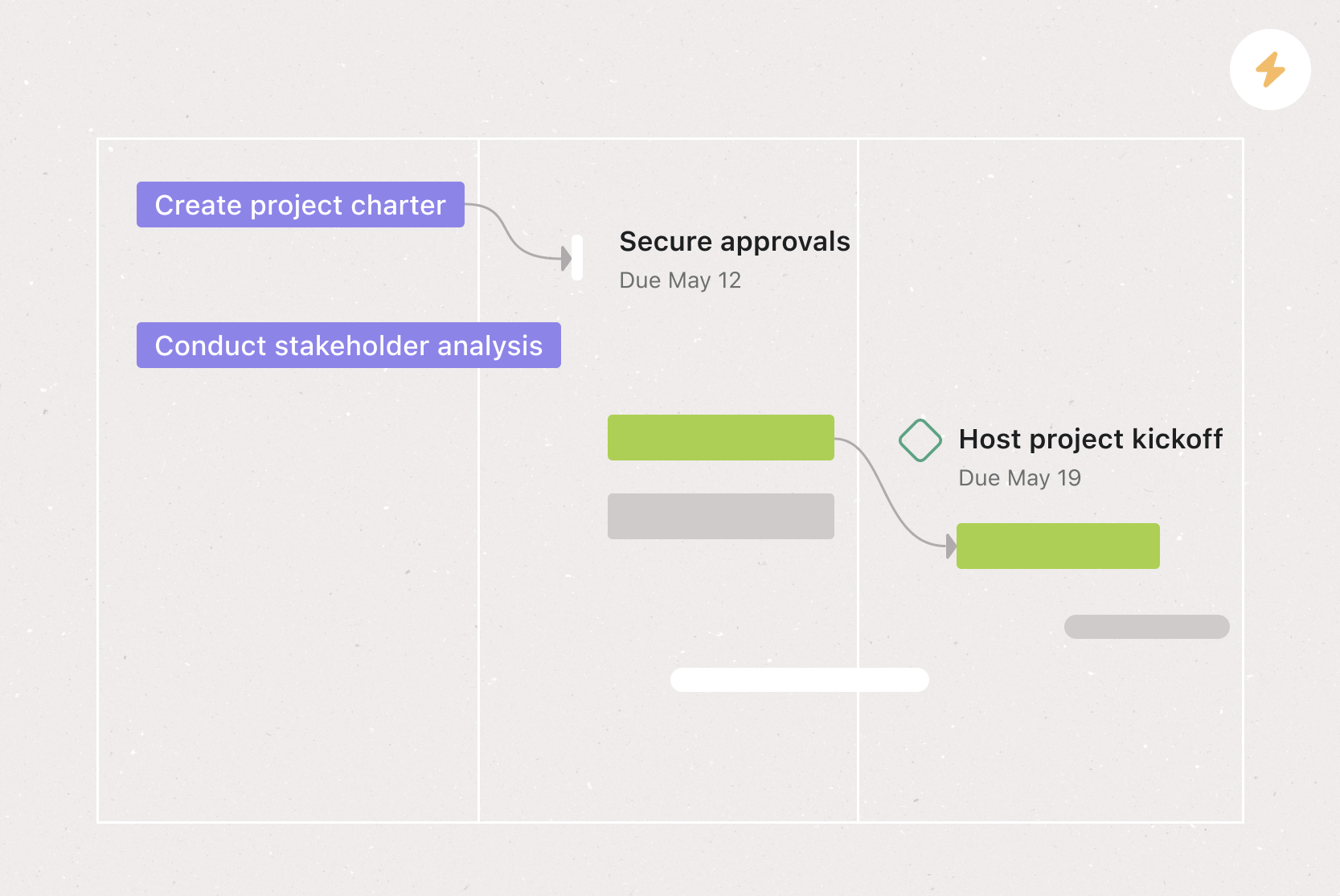
Next, map each stage in the timeline and connect tasks with dependencies. Set milestones for EVT, DVT, PVT, and launch so everyone can see the dates that matter most. Connect the NPI plan to the bigger picture with a product roadmap template. That link ties strategic goals to the daily work of engineering and operations teams.
3. Run gate reviews with approvals and automations
Gate reviews are where your NPI process turns into decisions. Set up each gate as an approval task assigned to its decision owner, who approves, requests changes, or rejects the move to the next stage.
Automations handle the routine steps around each gate. When a stage moves to review, an Automation can route deliverables to reviewers, set due dates, and notify the decision owner. AI Studio adds no-code automations for intake and routing, such as sending engineering change requests or supplier issues to the right team. The routing runs on its own, and people approve key decisions at every gate.
4. Track risks and dependencies with AI Teammates
NPI risks often hide in dependencies, such as a late tool, a supplier slip, or a vague requirement. Asana AI Teammates help your team catch those risks earlier, right in the plan.
Launch Navigator: Keeps launches on track by managing milestones, monitoring dependencies, and providing reports.
Spec Reviewer: Analyzes product specifications and design documents to spot unclear requirements, missing details, or dependencies.
Every agent works under enterprise governance. Agents have identity, permissions, audit trails, and spend controls, and your team controls what data they can access. AI Teammates flag risks and prepare reports, and people make the gate decisions.
5. Plan the launch and post-launch review
As PVT wraps up, shift focus to go-to-market readiness. Marketing, sales enablement, and support need production dates, final specs, and launch timing to prepare.
Hand commercial work off to a product launch template so launch tasks stay connected to the NPI plan. Then schedule a post-launch review 30–60 days after launch to compare actual performance against your targets. Feed every lesson back into the NPI template. That shared memory means each program starts smarter than the last.
Clear communication pays off at launch. As The Citizenry case study shows, the company streamlined communication around new product development by 25–30%, leading to fewer launch delays.
How to measure NPI success
Measure NPI on two fronts: how well the product is built and how well it performs in market. Track these KPIs in dashboards and status updates, so leaders get real-time reporting instead of spreadsheet roll-ups.
Manufacturing KPIs
First-pass yield. Track the percentage of units that pass inspection without rework.
Defect rate. Track the percentage of units that fail quality checks during pilot builds and ramp-up.
Cycle time. Measure how long it takes to produce one unit or complete one process step.
Cost vs. target. Compare the actual unit cost with the target in the business case.
Schedule adherence by gate. Compare each gate’s actual completion date with its planned date.
Business KPIs
Revenue from new products. Track how much revenue the new product generates over a set period.
Time to market. Measure the time from concept approval to launch.
Market share. Track the product’s share of its target market after launch.
Customer satisfaction or Net Promoter Score (NPS). Use customer satisfaction to see how customers rate their experience, or NPS to see how likely they are to recommend the product.
Roll these metrics up across programs with product launch software that connects launch data to the work behind it. When a KPI slips, your team can trace it to the task, owner, and gate where it started.
Asana features built for new product introduction
Asana's Agentic Work Management gives cross-functional teams one place to plan and run new product introduction. The Enterprise Work Graph® connects every person, task, goal, and dependency, so humans and AI Teammates share the same context.
Integrated features
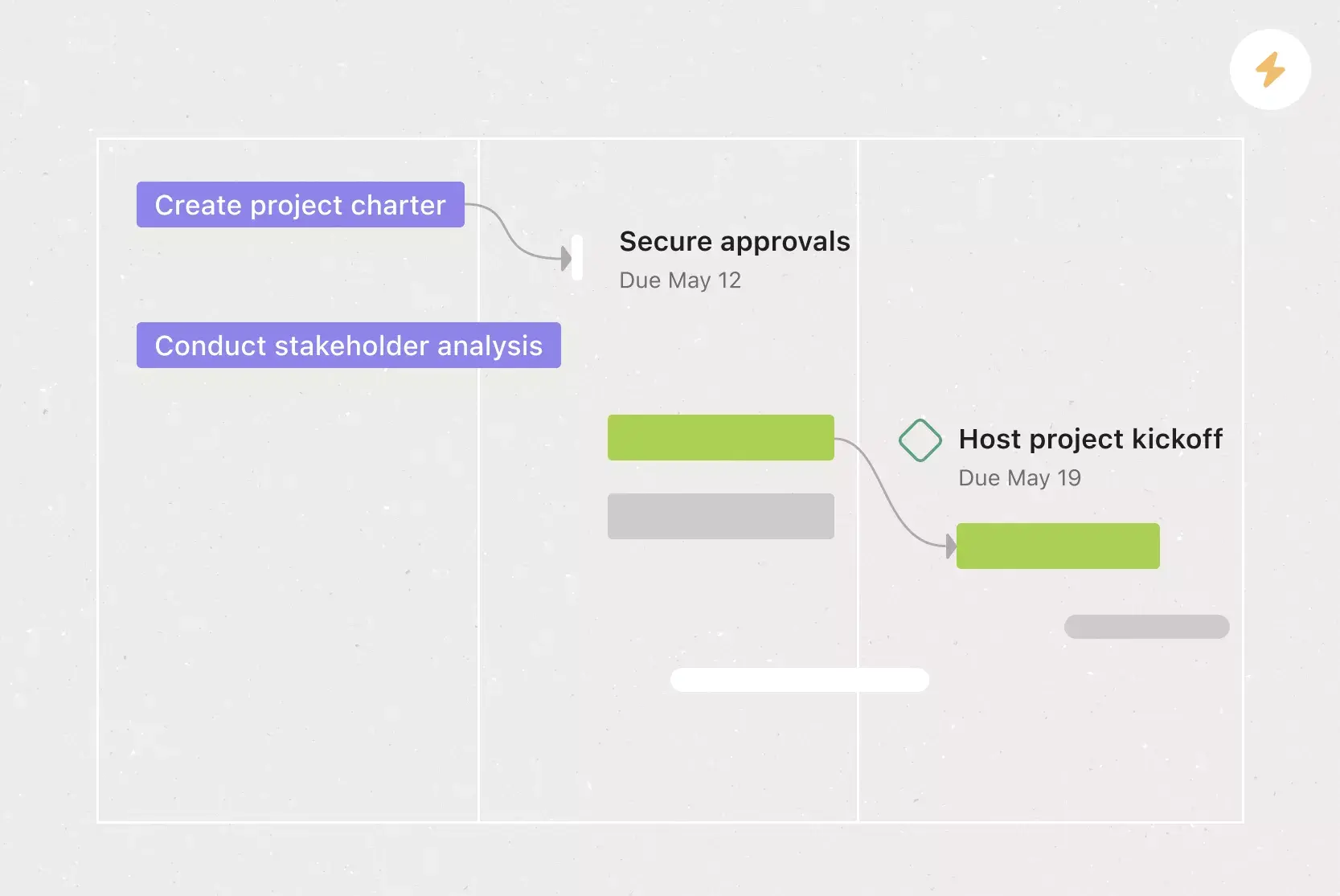
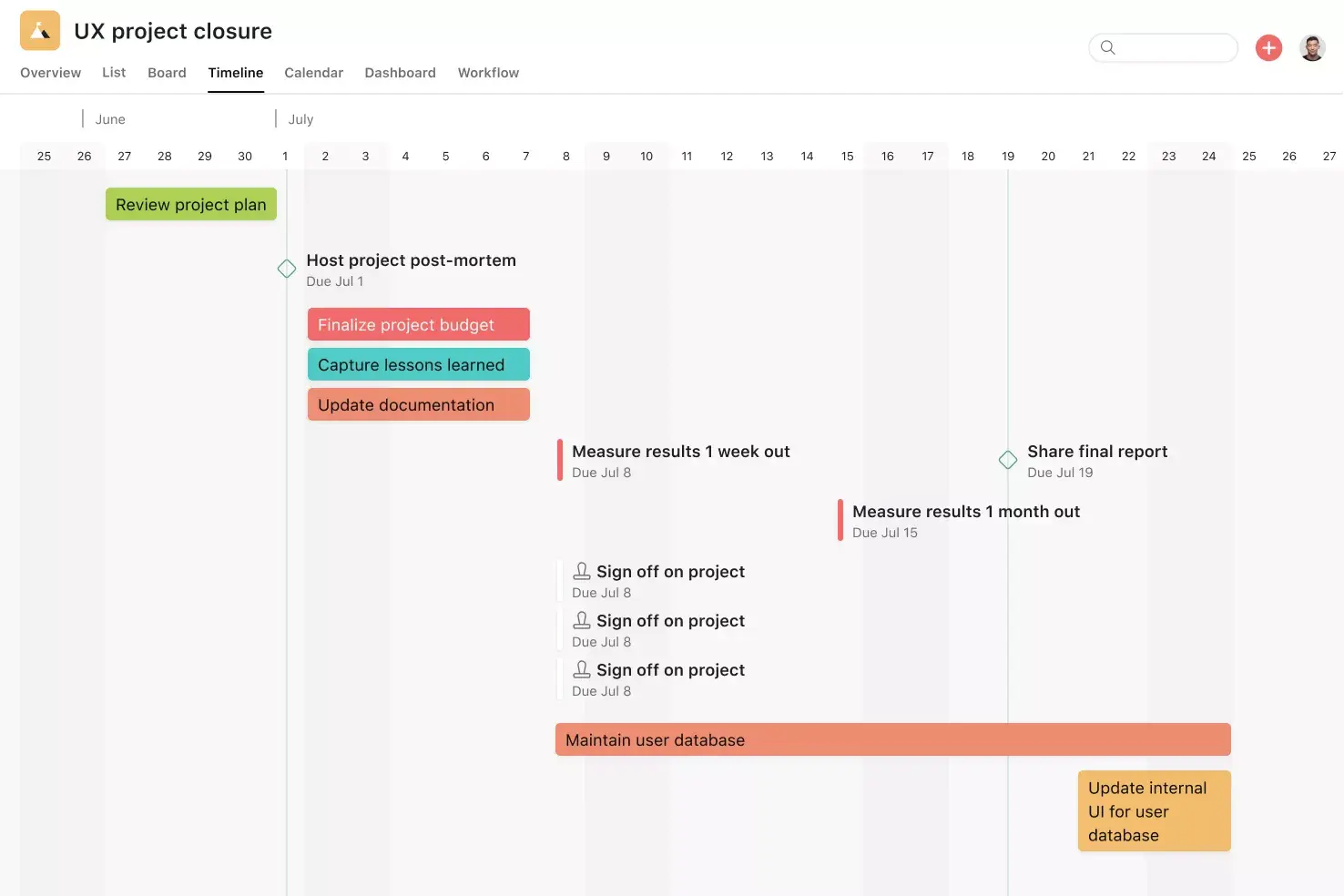
Timeline: Visualize every stage, milestone, and dependency, and see how a delayed task shifts the dates downstream.
Approvals: Turn each gate review into a clear decision with a named approver and a recorded outcome.
Automations: Route deliverables, assign reviewers, and update fields when work changes stage.
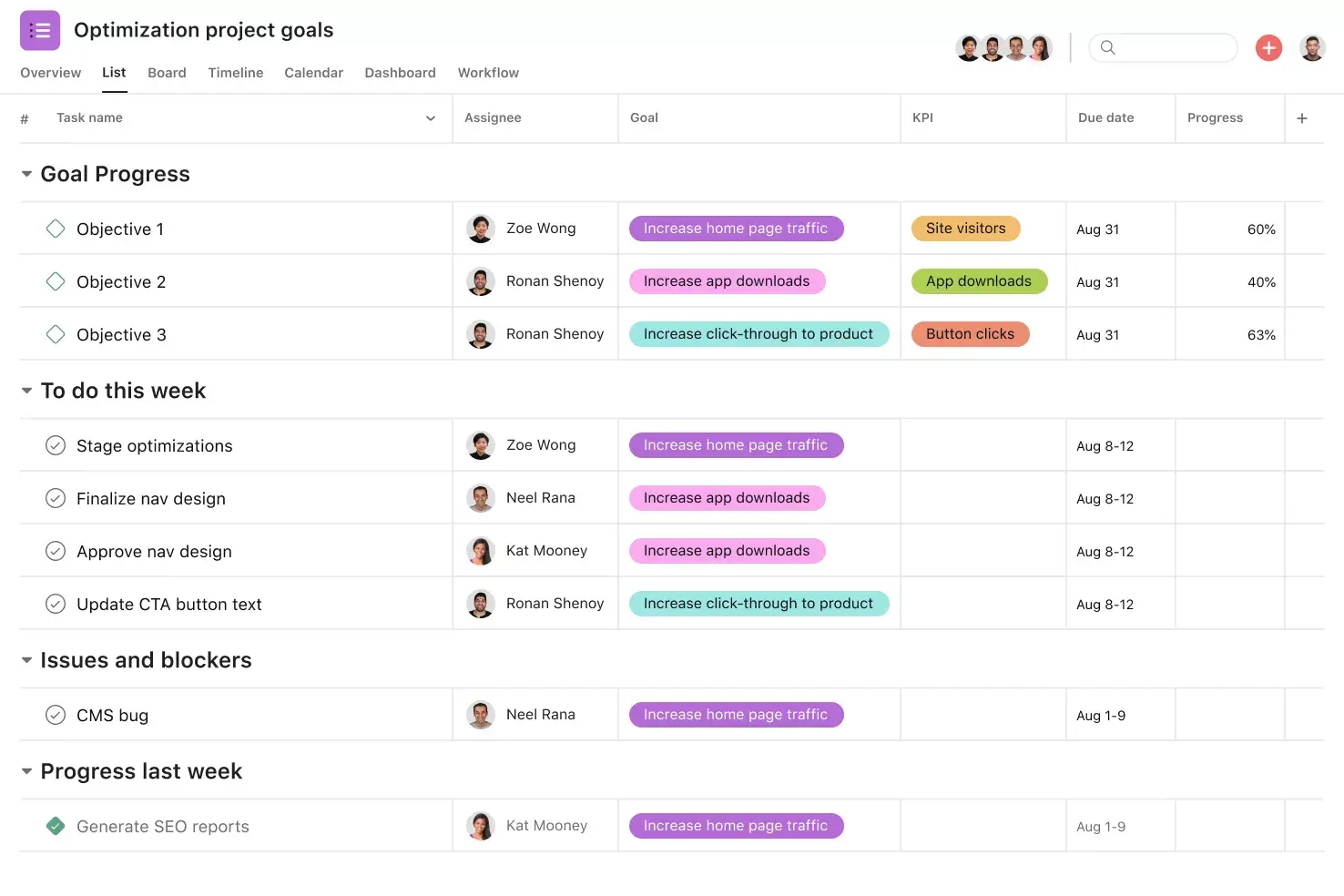
Portfolios: Monitor all NPI programs in one view with status, progress, and owners side by side.
Status updates: Publish regular progress reports that highlight risks, blockers, and upcoming gates.
AI Teammates: Put prebuilt and manufacturing industry agents to work on milestones and risks, included in Starter, Advanced, and Enterprise plans.
Asana Dash: Get an AI chief of staff that surfaces priorities from meetings, Slack, and email and routes work to the right AI Teammate.
Recommended apps
With 260+ integrations, Asana keeps engineering and manufacturing files connected to the plan. These apps pair well with an NPI template.
Jira Cloud: Sync engineering issues with NPI tasks so business teams see software and firmware progress.
Figma: Embed design files in tasks so reviewers comment on the latest version.
Google Drive: Attach test plans, drawings, and supplier files to the tasks that use them.
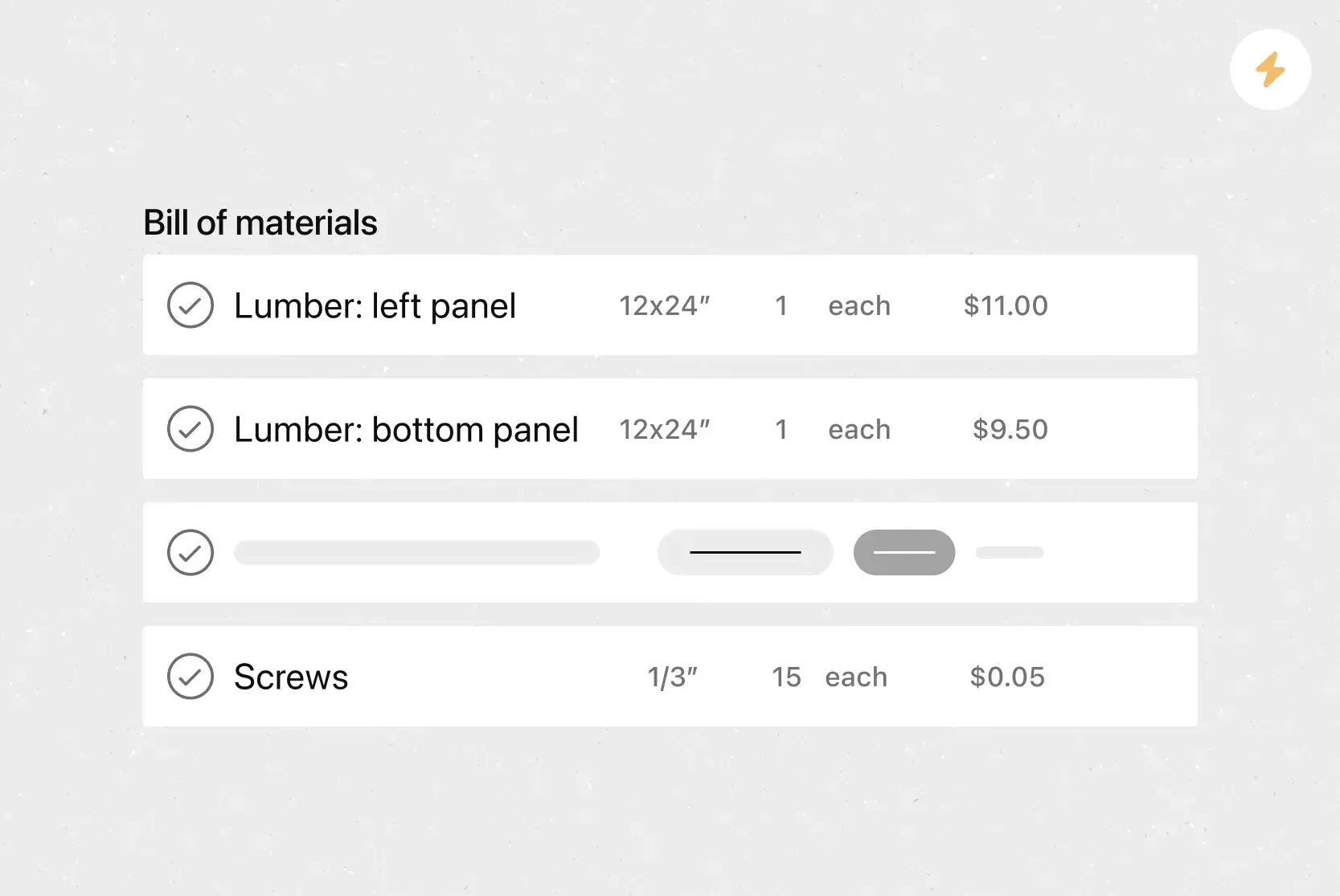
Microsoft 365: Work with BOMs, cost models, and gate review decks from Word, Excel, and PowerPoint.
MCP and AI Connectors: Connect ChatGPT, Claude, Gemini, and Microsoft 365 Copilot to the Work Graph® for answers grounded in your plan.
Bring every new product to market with Asana
New product introduction succeeds when engineering, operations, and launch teams work from one plan. With Asana, AI Teammates handle tracking, monitoring, and reporting, while people make every gate decision.
That combination clarifies who owns what and holds team members accountable for every milestone. It's why 85% of Fortune 100 companies choose Asana. Use this template to give your next product one shared plan for every stage of NPI.
Create an NPI templateFAQs about new product introduction templates
New product introductions are the projects that take new products from concept through validation, production readiness, and market launch. Each one coordinates engineering, operations, supply chain, and commercial teams around shared stages and gates.
NPD covers developing a product idea through to commercialization, while NPI focuses on making that product manufacturable, scalable, and ready to launch. Many companies treat NPI as the execution side of NPD.
NPI steps are concept and planning, feasibility, EVT, DVT, PVT, launch and ramp-up, and post-launch review. Each step ends with a gate review where a decision owner approves the move forward.
An NPI team usually includes a program manager, design and manufacturing engineers, quality, supply chain and procurement, operations, product marketing, and sales. Each stage of the template should have one named owner.
Run DFM reviews early, hold formal gate reviews with named approvers, and track dependencies across engineering, suppliers, and operations. AI Teammates such as Launch Navigator can monitor dependencies, while people approve each gate.
Announce a new product once production and go-to-market readiness are confirmed, using one coordinated plan across marketing, sales, and support. Align press, website, sales enablement, and customer communications to the same launch date.
Related templates











Create templates with Asana
Learn how to create a customizable template in Asana. Get started today.