


IT project plan template
Use a free IT project plan template to organize tasks, deadlines, priorities, approvals, and workflows. Give your team a practical way to plan technical work, manage risks, and track progress.
Sign up to use this template.
IT project plan template
Use a free IT project plan template to organize tasks, deadlines, priorities, approvals, and workflows. Give your team a practical way to plan technical work, manage risks, and track progress.
Use templateSign up to use this template.
INTEGRATED FEATURES
Recommended apps




![[Old product ui] IT project plan template in Asana, Kanban board style view (Boards)](https://assets.asana.biz/transform/d73628f9-b548-4a27-88de-fc8b4a62756a/-Template-it-team-Share?io=transform:fill,width:2560&format=webp)
Summary
Your IT team has a lot on its plate. Between software deployments, equipment requests, and employee onboarding and offboarding, IT is responsible for business-critical operations that empower teams across the enterprise.
With so much to manage, it's easy for work to slip through the cracks, leading to missed deadlines and pushed timelines. To connect teams and keep track of work, you need a single place to manage IT work, one that's scalable and doesn't compromise security.
In this article, you'll learn what an IT project plan is, the key components every plan should include, and how to use a free template to get started. Whether you're managing a single deployment or a full portfolio of IT initiatives, this guide will help you plan with confidence.
What is an IT project plan?
An IT project plan is a document that outlines the scope, timeline, budget, resources, and tasks required to complete a technology initiative. It serves as the single source of truth for in-progress and upcoming IT work, from software rollouts to infrastructure upgrades. With an IT project plan, it's easy to organize and stay on top of IT work across teams, like managing IT requests and streamlining employee onboarding.
What is an IT project plan template?
An IT project plan template is a reusable starting point for organizing your IT work. The Asana IT project plan template helps keep your IT teams on track by centralizing processes. Plus, the template lets you track crucial information, like approval status, due date, assignees, and priority, so you always know what's next on the docket.
Use templateWhat are the benefits of Asana's IT project plan template?
Our IT project plan template lets you assign, coordinate, and view in-progress and upcoming IT work all in one place. With the IT project plan template, you can:
View all your upcoming IT to-dos in one place.
Categorize work by priority and status to keep your team aligned.
Give your team a single system of record for all IT tasks, so they know where to find the information they need to do their work.
Provide project managers with a high-level overview of where work stands.
Communicate with team members in one central place.
Spot timing conflicts and at-risk work before it's too late, and shift resources and deadlines accordingly.
Quickly view important task information, such as assignee and due date, so you know resources are allocated correctly.
Track the status of all IT project tasks, such as ordering equipment, managing software updates, and helping with employee onboarding.
Add goal-setting to your existing business tools to create one single system of record.
Connect work and streamline IT processes across teams without compromising security.
If your team is planning for the future, consider an IT roadmap template to organize key initiatives, track dependencies, and connect technology goals with your overall business strategy.
How do I use Asana's IT project plan template?
Using the IT project plan template is simple. First, make a copy of the template and rename it to align with the IT work you're tracking, for example, "IT Work for FY26." Then, customize your template further by:
Tailoring project permissions to your organization, so you can ensure the right people have access to the right information and your project doesn't compromise privacy or security.
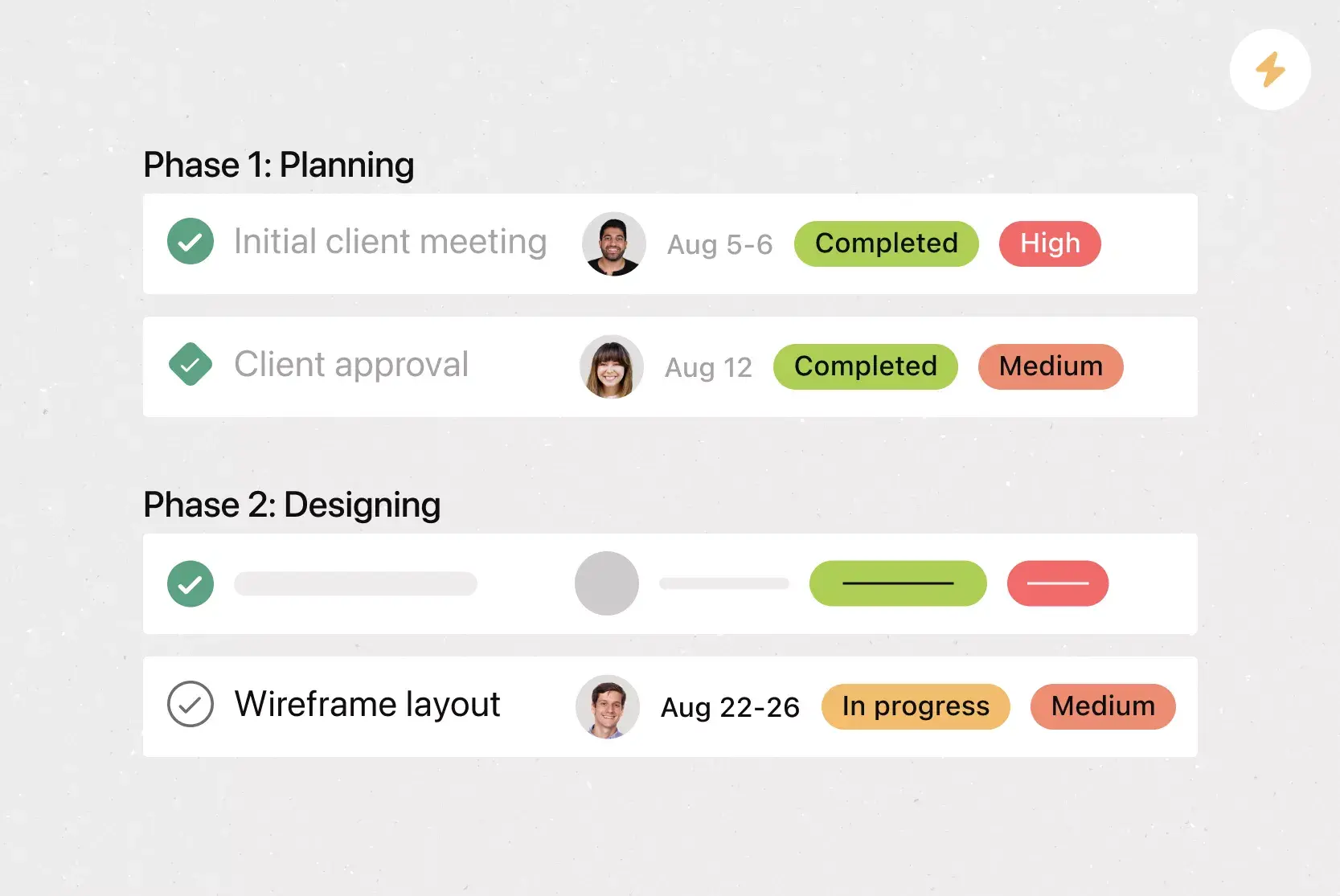
Organizing your template into sections that align with the stage of the work ("not started," "not approved," "in progress," "completed") or the priority of the work ("low," "medium," "high").
Adding tasks to each section to highlight the work your team needs to complete, such as "order new laptop chargers" or "deploy system-wide update."
Assigning tasks to the team member responsible for task completion and adding an actionable due date to each task, so everyone is on the same page about what needs to be done by when.
Using product features like forms and automated rules to easily manage incoming requests and reduce manual work.
Adding your project plan to existing business tools so your team can work together seamlessly in one secure system of record.
Integrated features and recommended apps for Asana's IT project plan template
The IT project plan template adds to your existing tools and apps, so your whole team can work together securely and seamlessly.
Integrated features
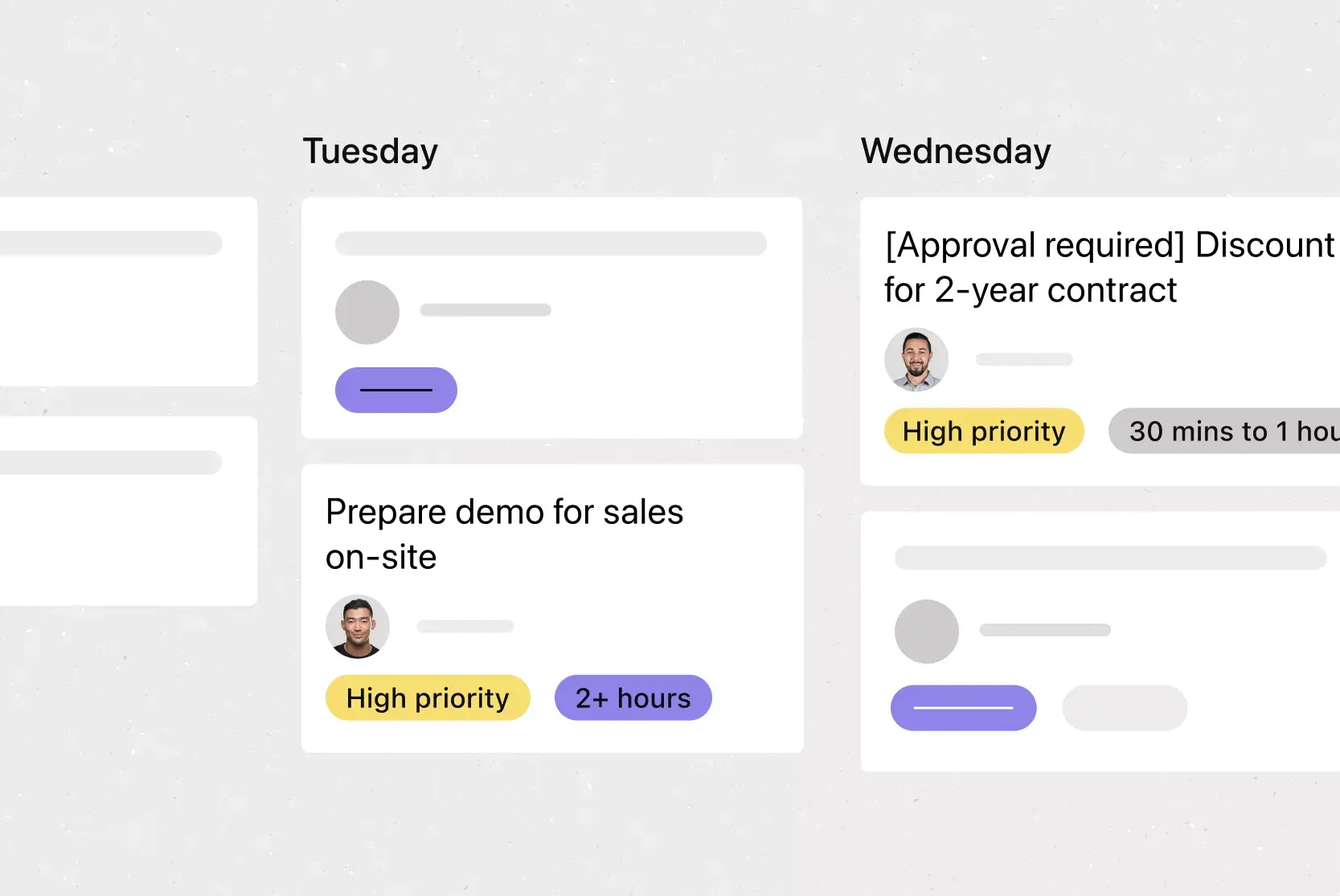
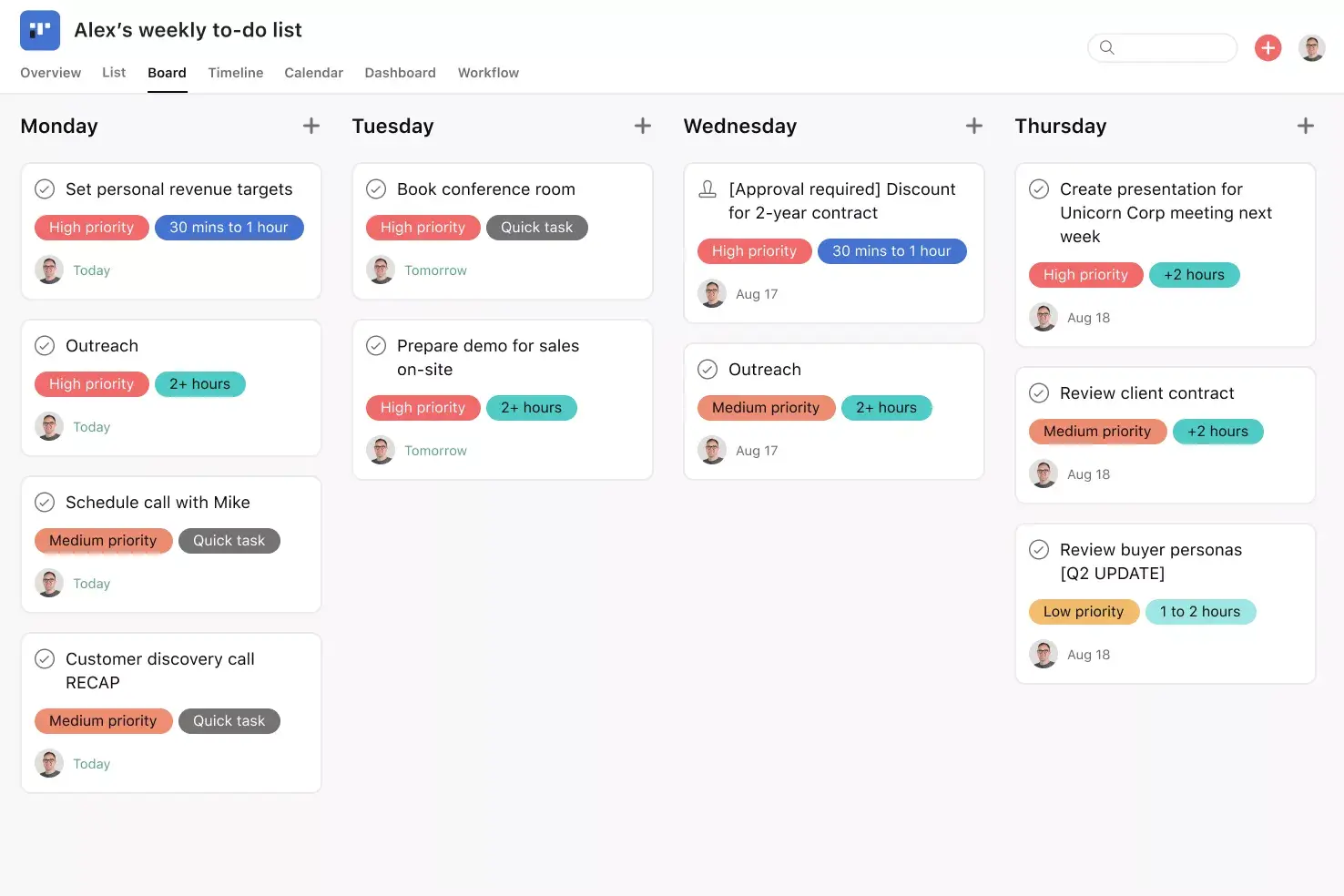
Board View. Board View is a Kanban-style board that displays your project's information in columns. Columns are typically organized by work status (like To Do, Doing, and Done), but you can adjust column titles depending on your project needs. Within each column, tasks are displayed as cards, with a variety of associated information, including task title, due date, and custom fields. Track work as it moves through stages and get an at-a-glance insight into where your project stands.
Custom fields. Custom fields are the best way to tag, sort, and filter work. Create unique custom fields for any information you need to track, from priority and status to email or phone number. Use custom fields to sort and schedule your to-dos so you know what to work on first. Plus, share custom fields across tasks and projects to ensure consistency across your organization.
Forms. When someone fills out a Form, it shows up as a new task in your Asana project, so you can standardize how work gets kicked off and ensure nothing falls through the cracks. Use branching logic to tailor questions based on previous answers and reduce the time it takes to manage incoming requests.
Automation. Automate manual work so your team spends less time on busywork and more time on the tasks you hired them for. Rules in Asana operate on a trigger-and-action model: "when X happens, do Y." Use Rules to automatically assign work, adjust due dates, set custom fields, notify stakeholders, and more.
Recommended apps
ServiceNow. Automate task creation in Asana for IT teams working in ServiceNow, giving you cross-platform visibility into real-time status and context. This integration connects ServiceNow tickets to actions and updates in Asana, so requests like hardware fulfillment never slip through the cracks.
Microsoft Teams. With the Microsoft Teams + Asana integration, you can search for and share the information you need without leaving Teams. Easily connect your Teams conversations to actionable items in Asana. Plus, create, assign, and view tasks during a Teams Meeting without switching to your browser.
Google Workplace. Attach files directly to tasks in Asana using the Google Workplace file chooser built into the Asana task pane. Easily attach any My Drive file with just a few clicks.
Dropbox. Attach files directly to tasks in Asana using the Dropbox file chooser built into the Asana task pane.
Key components of an IT project plan
A strong IT project plan covers every detail your team needs to stay aligned and deliver on time. Whether you're managing a network migration or rolling out a new SaaS tool, these are the core components to include:
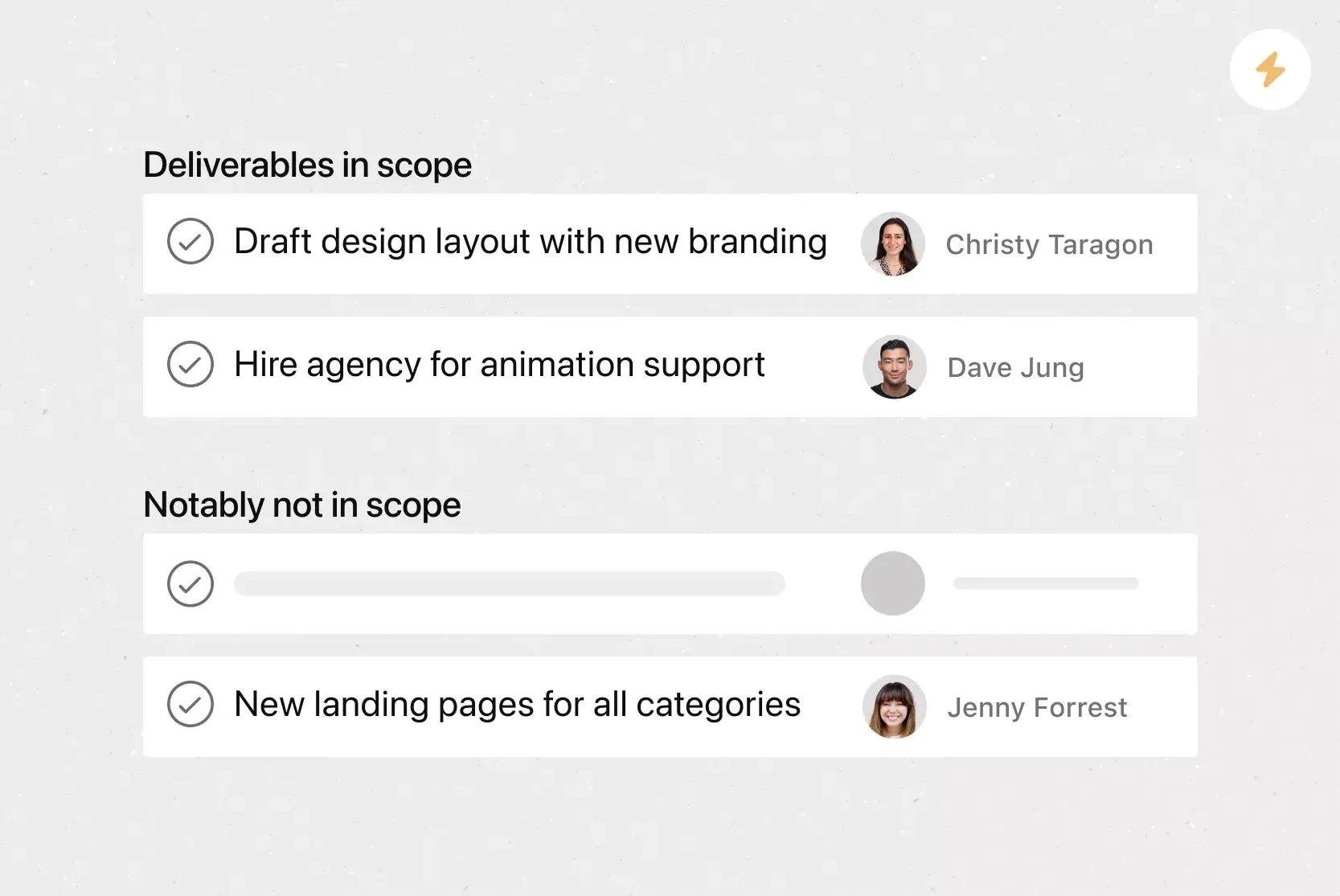
Scope and goals: Define what the project will and won't cover, along with the specific goals you want to achieve. A scope prevents misunderstandings and helps your team stay focused.
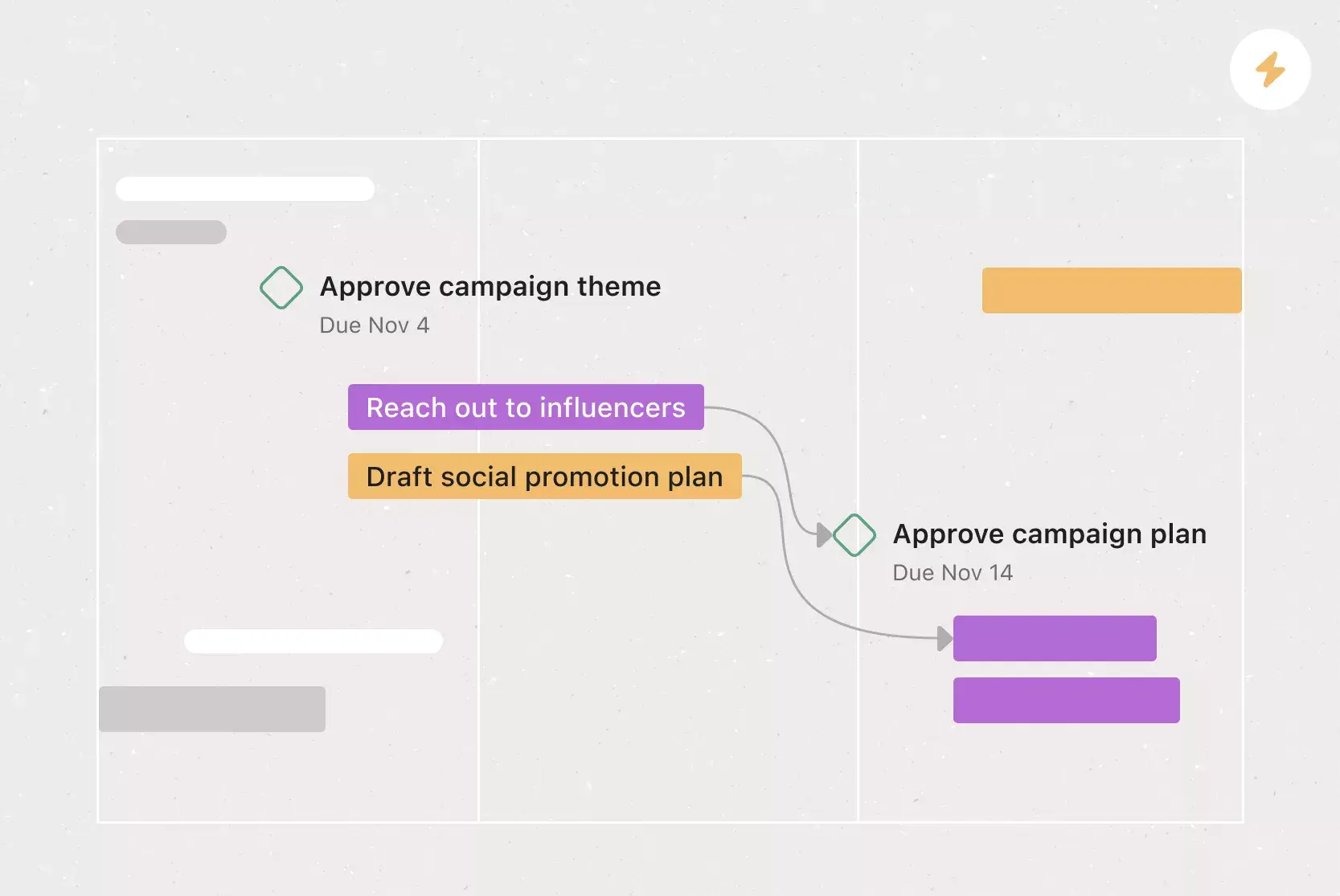
Timeline and milestones: Map out a realistic schedule with key milestones to mark progress. This gives stakeholders visibility into when major phases start and finish.
Budget and resources: Outline the required budget, tools, and personnel. Identifying resource needs early helps prevent bottlenecks later.
Roles and responsibilities: Assign a clear owner to each task and workstream so everyone knows who's accountable for what.
Risk management: Identify potential risks, such as vendor delays, security vulnerabilities, or scope changes, and document how you'll address them.
Communication plan: Spell out how and when your team will share updates, whether through status meetings, project dashboards, or automated notifications.
Quality standards: Define what "done" looks like. Set acceptance criteria and testing requirements so work meets expectations before it's marked complete.
Including these components from the start sets your project up for success and gives every team member a shared understanding of the work ahead.
How to plan an IT project
An IT project plan helps teams define the work, map dependencies, manage risks, and track progress from request to rollout. Most IT projects follow five core phases: initiation, planning, implementation, monitoring, and closure.
1. Initiation
Start by defining the project's purpose, goals, and what success looks like. Identify key stakeholders, secure initial approvals, and document high-level requirements. This is also when you'll determine whether the project is feasible given your team's current capacity and budget.
2. Planning
Break the project down into tasks, assign owners, and build out your timeline. This is where you document the components outlined above, including scope, budget, resources, and risk. Use a project planning template to save time and ensure consistency across initiatives.
3. Execution
Put your plan into action. Your team begins to complete tasks, build systems, deploy software, or configure infrastructure. Keep communication flowing and use a centralized tool to track progress so nothing falls through the cracks.
4. Monitoring and controlling
As work progresses, compare actual performance against your plan to confirm tasks are on schedule and the budget is on track. Use dashboards and status updates to catch issues early. Then adjust timelines, resources, or scope as needed.
5. Closure
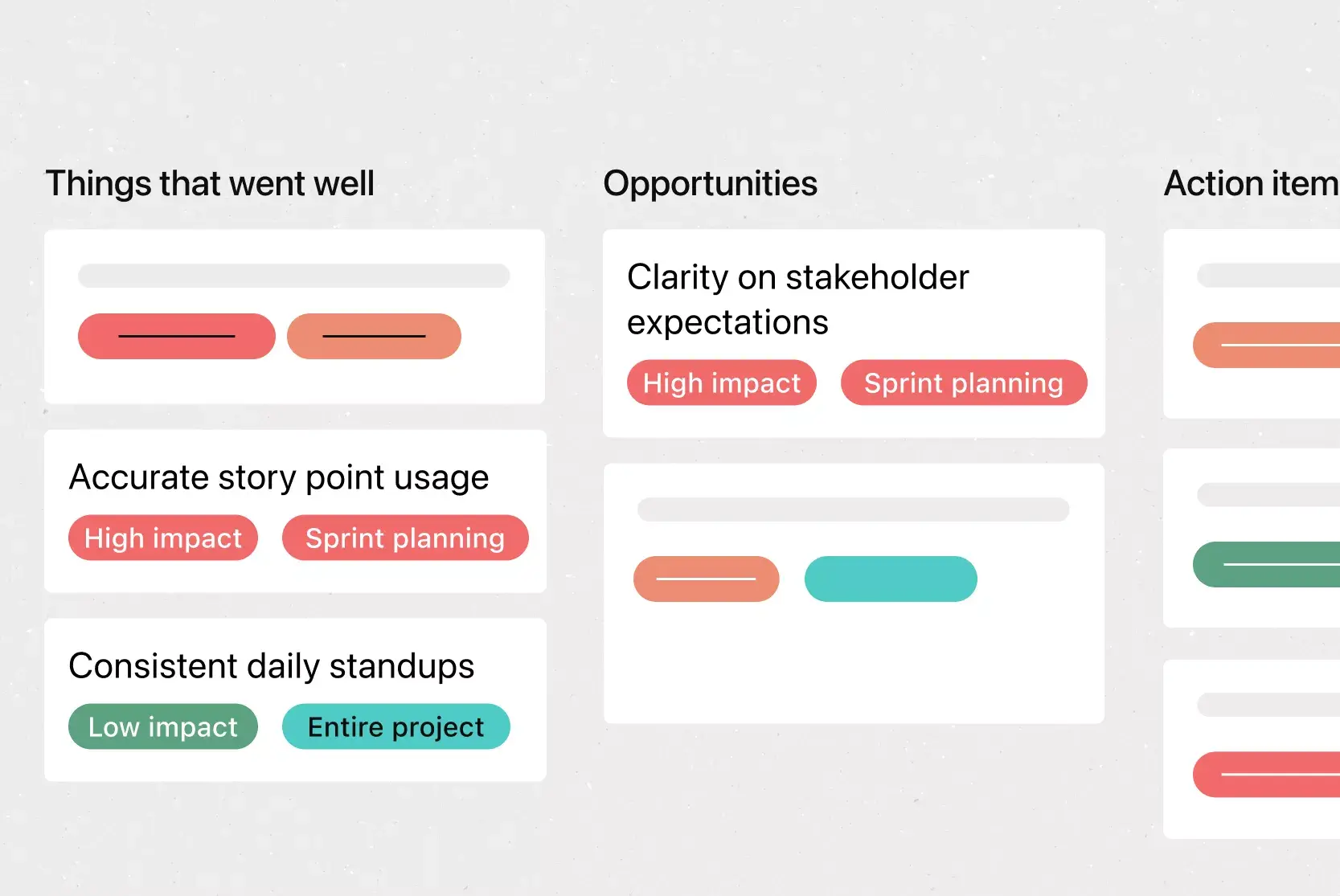
Once the project is complete, conduct a review. Document what went well, what could be improved, and any lessons learned. Archive your project plan so your team can reference it or use it as the basis for future templates.
Get started with IT project planning
A well-structured IT project plan is the difference between a smooth rollout and a chaotic one. With a reusable template, your team can skip setup and get straight to getting things done, whether you're deploying new software, managing infrastructure changes, or handling cross-team IT requests.
Ready to bring your IT work together in one place? Get started with Asana and use the free IT project plan template to organize your next initiative from start to finish.
Use templateFAQs about IT project plans
An IT project plan template is a reusable resource to track your team's IT work by organizing it into sections like "not started," "in progress," and "completed." You can also assign tasks to team members with due dates to keep everyone aligned.
An IT project plan template helps you organize upcoming and in-progress work so you never lose sight of who's doing what. It's also duplicatable, so every new IT project follows the same consistent steps.
Include your project scope, timeline, milestones, budget, roles, risk management plan, and communication plan. Break these into sections with assigned tasks and due dates so your team always knows what's next.
The five stages are initiation, planning, execution, monitoring and controlling, and closure. Each phase builds on the last to move your project from idea to completion.
An IT project plan covers the tasks, timeline, and resources for a single project, while an IT roadmap maps out multiple initiatives and how they connect to your broader technology strategy. Both are valuable, but they serve different purposes.
Related templates

![[Templates] Editorial Calendar (Share image)](https://assets.asana.biz/transform/5fac5de2-17f6-4d69-8cd3-091a887a24bd/TG23-web-thumbnail-042-editorial-resource-management-static-2x?io=transform:fill,width:2560&format=webp)
![[Templates] Marketing Project Plan (Card) image](https://assets.asana.biz/transform/af70ac54-97b9-4639-b639-be3a3d951e3e/TG23-web-thumbnail-016-stakeholderregister-static-2x?io=transform:fill,width:2560&format=webp)
![[Templates] Operations Project Plan (Card)](https://assets.asana.biz/transform/ec3bf1b9-cbcd-413c-a20c-82bf1dbe10d2/TG23-web-thumbnail-008-risk-management?io=transform:fill,width:2560&format=webp)
![[Old Product UI] Sprint planning project with t-shirt sizes in Asana (Lists)](https://assets.asana.biz/transform/34817820-b376-4110-a8be-9a2c7c546a77/inline-project-planning-t-shirt-sizing-product-ui-list-view-sprint-planning-en-2x?io=transform:fill,width:2560&format=webp)
![[Templates] RFP Process (Card image)](https://assets.asana.biz/transform/14aa111b-ab22-483f-bfd1-3090acb7d2a5/RFP-process-premium-m?io=transform:fill,width:2560&format=webp)

![[HR Project Plan] template Card Image](https://assets.asana.biz/transform/663b8e5e-89c9-4b0b-b48b-1b17e01d1889/TG23-web-thumbnail-033-process-improvement-static-2x?io=transform:fill,width:2560&format=webp)
![[Templates] Waterfall project management (card image)](https://assets.asana.biz/transform/d87fc21c-53f0-4bc9-9094-9789b963be9b/article-project-management-waterfall-project-management-methodology-2x?io=transform:fill,width:2560&format=webp)
![[Templates] Status report (card image)](https://assets.asana.biz/transform/9c82d399-782b-40d3-9eb1-fd7544bef794/article-project-management-project-management-maturity-model-2x?io=transform:fill,width:2560&format=webp)
![[Templates] Event Marketing Plan (Card image)](https://assets.asana.biz/transform/6c7b9329-b612-4732-910a-7917fa079f0b/TG23-web-thumbnail-014-project-chart-static-2x?io=transform:fill,width:2560&format=webp)

![[Templates] Communication plan (card image)](https://assets.asana.biz/transform/3dc9eadf-9d2d-40a2-a05d-63adb32a1de7/article-collaboration-synchronous-vs-asynchronous-communication-2x?io=transform:fill,width:2560&format=webp)

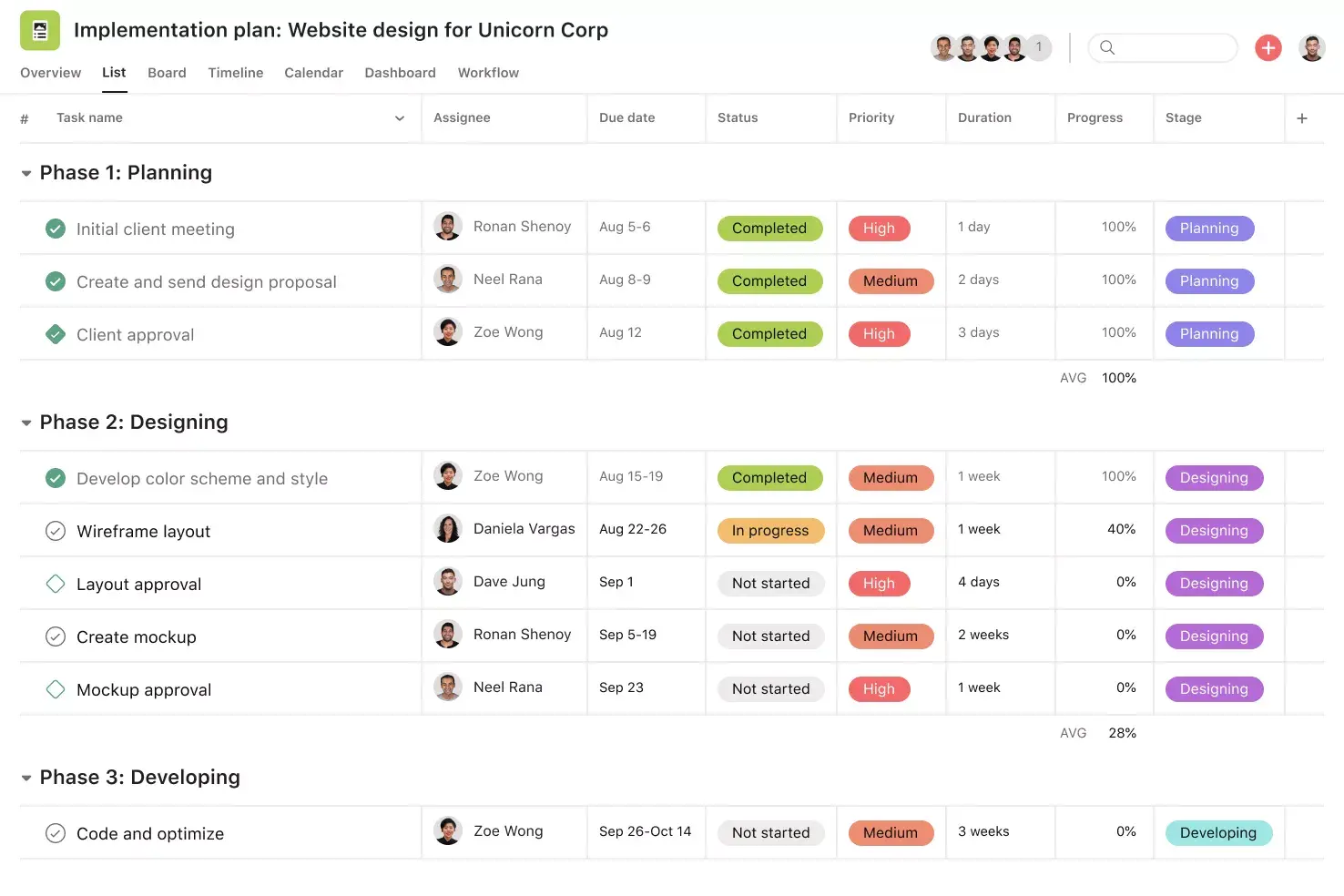
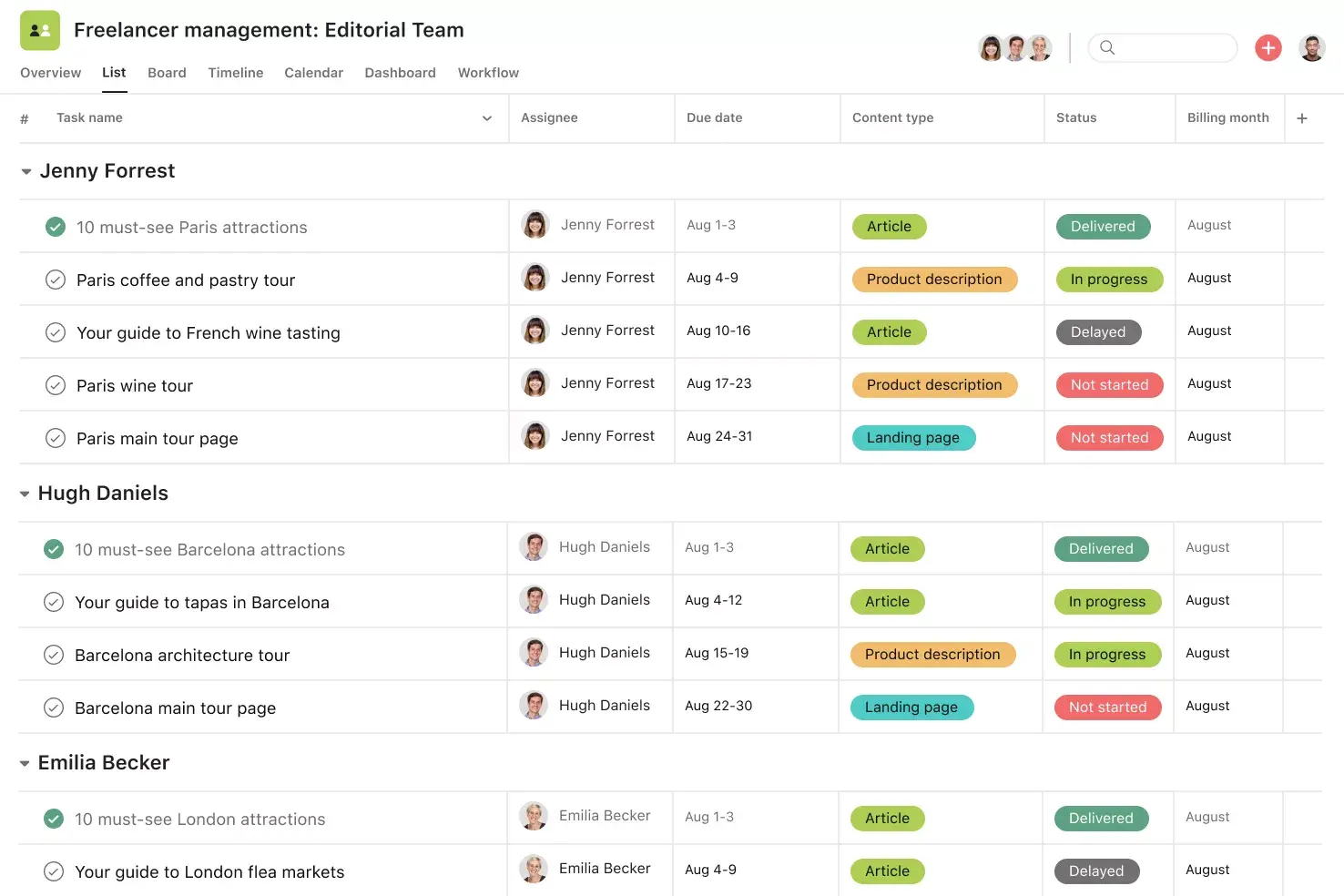
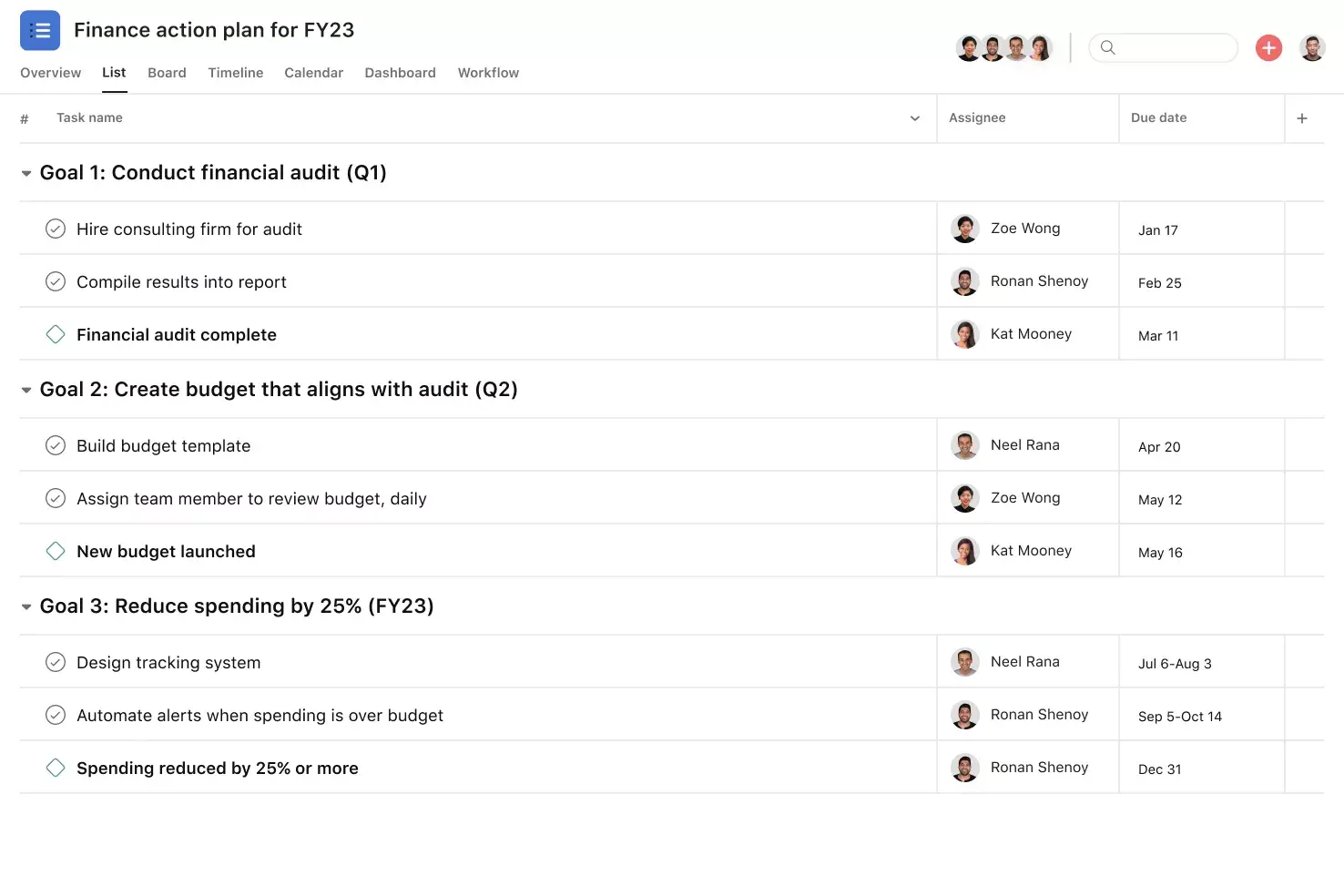
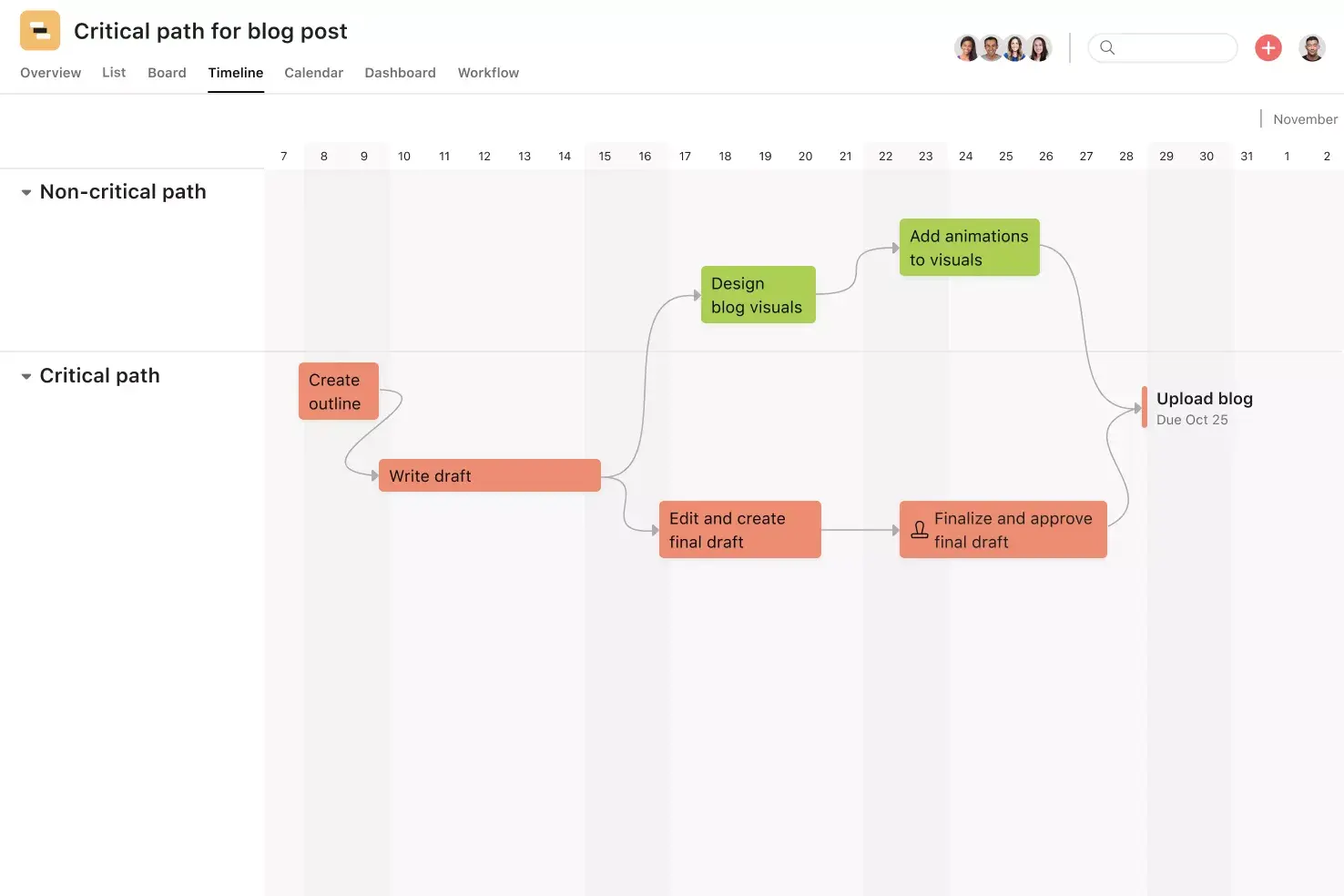
![[Templates] Design Project Plan (Card image)](https://assets.asana.biz/transform/c768a28c-822f-420f-93f9-f2eea4c93780/TG23-web-thumbnail-032-bill-of-materials-static-2x?io=transform:fill,width:2560&format=webp)
More features, more control
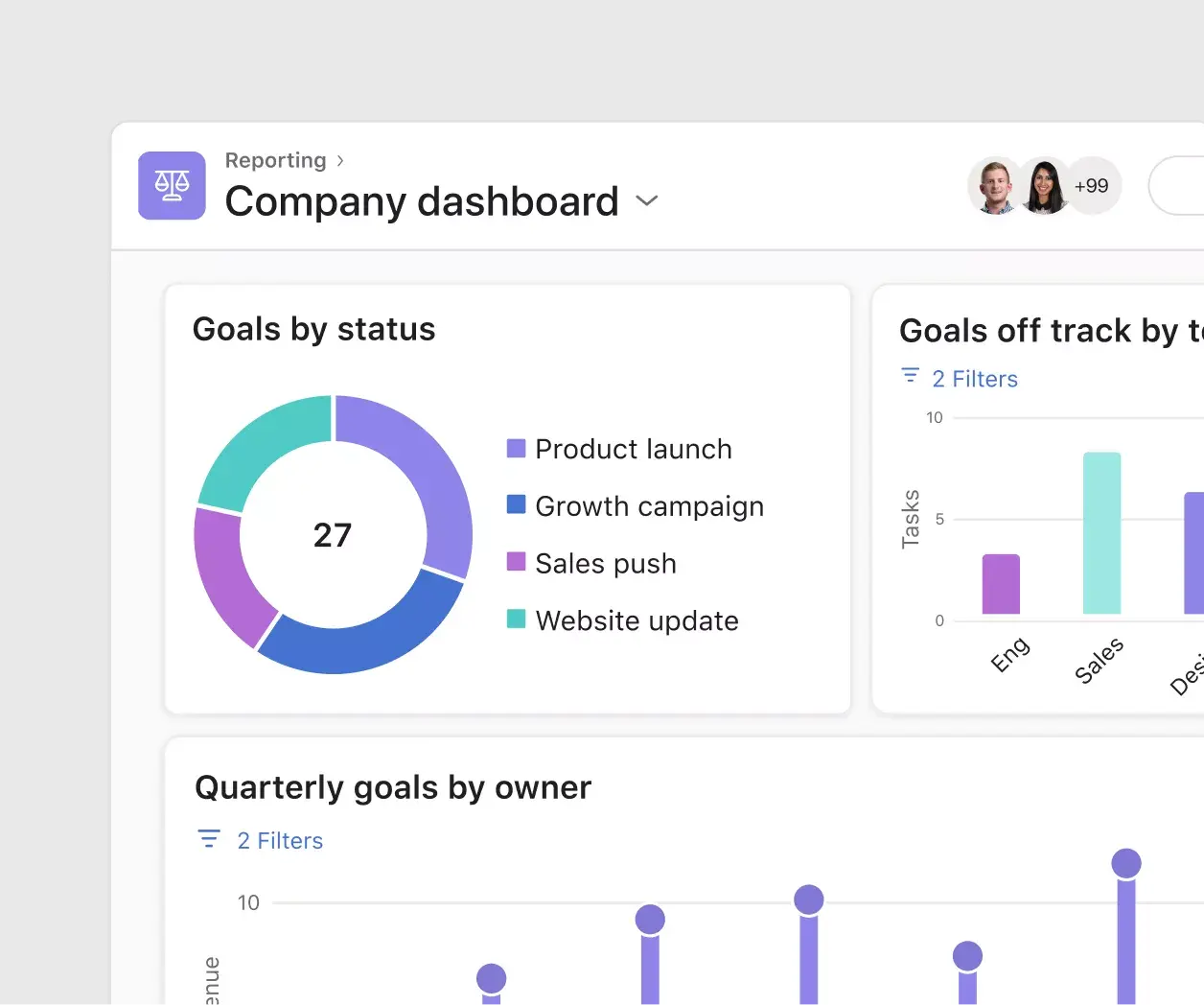
Manage IT projects with the features you need, and the control you want.