Product strategy template
Turn product vision, customer personas, priorities, and success metrics into a practical plan. Our product strategy template helps product teams document decisions, evaluate tradeoffs, prioritize tasks, and prepare for launches.
Create your templateSign up to create your own template.
INTEGRATED FEATURES
Recommended apps


Summary
A new product often fails not because of poor ideas but because its strategy is fragmented. Without a cohesive product strategy, product teams can waste energy debating trade-offs instead of building a successful product that meets user needs.
A product strategy template solves this disconnect. By centralizing vision, goals, personas, and metrics, you create a repeatable system that guides product development. With a product template, you transition from siloed documents and tools to a single, unified product strategy document that rallies both team members and stakeholders around a shared set of priorities.
In this guide, you'll learn what a product strategy is, explore the key elements every strategy should include, and walk through how to use a product strategy template to keep your team aligned from planning through launch.
What is a product strategy?
A product strategy is a high-level plan that defines your product vision, identifies your target audience, and outlines how you'll deliver value to customers while meeting business goals. It serves as the bridge between the problem you're solving and the daily work your team does to solve it, giving everyone a clear direction for every decision along the way.
Think of your product strategy as the "why" and "where" behind your product. It answers foundational questions like:
Who is this product for? Define your target audience and their needs.
What makes it different? Clarify your unique value proposition.
How does it support your business? Connect product work to company goals.
Without a strategy, teams can end up building features that don't move the needle or chasing opportunities that pull focus from what matters most. An effective product strategy also helps you prioritize. When resources are limited and requests are endless, a well-defined strategy gives you a way to say yes to the right work and no to everything else.
What is a product strategy template?
A product strategy template is a structured document that organizes your product vision, goals, target audience, competitive positioning, and roadmap into a single, shareable plan. Rather than starting from scratch each time, a template gives you a repeatable format that captures the information your team needs to stay aligned.
Templates are especially useful because they standardize how product strategy is communicated across every scenario:
Leadership presentations: Share a clear, concise view of your product direction.
New team member onboarding: Get people up to speed on priorities fast.
Product launches: Ensure everyone is working from the same plan.
With a tool like Asana, your product strategy template becomes more than a static document. It becomes a living system where you can assign owners, track progress, and update priorities in real time as your strategy evolves.
Who should use product strategy templates?
Product strategy templates support both goal setting and decision making across the entire product lifecycle. From startups defining their first product vision to large organizations refining their pricing models, a shared product strategy enables teams to achieve their goals more efficiently and make better decisions.
Product managers: Define product goals, outline the roadmap, and connect product development to company objectives and key results (OKRs). A product document strategy template helps you prioritize trade-offs and make transparent decisions.
Product leaders: Set business objectives and measure key results. Using a template harmonizes product teams with the company's strategy while creating accountability at every milestone.
Product marketing teams: Develop go-to-market strategies that effectively position the product for your target market segment. Your product strategy template links messaging, unique value proposition, and customer profiles to the roadmap.
Stakeholders: View the overall strategy without needing to delve into Google Docs or other siloed project management tools. A template illustrates how the product vision connects to your business model.
Why use an Asana product strategy template?
With a product strategy template, you create a high-level product plan that coordinates everyone around business objectives. When you use document elements like user personas, metrics, and milestones within a single project, your entire team achieves goals far more efficiently.
Benefits of product document strategy templates include:
Organize product teams and stakeholders around one vision.
Connect product goals to business objectives and key results.
Prioritize features with a roadmap template that supports trade-offs.
Track progress with metrics and milestones to measure product success.
Share the product positioning and target audience profiles in a single strategy document.
Recommended Asana features
A product strategy document often resides in static documents or spreadsheets, which makes it difficult to track changes or assign owners. With Asana, you transform strategy into a system that drives daily execution.
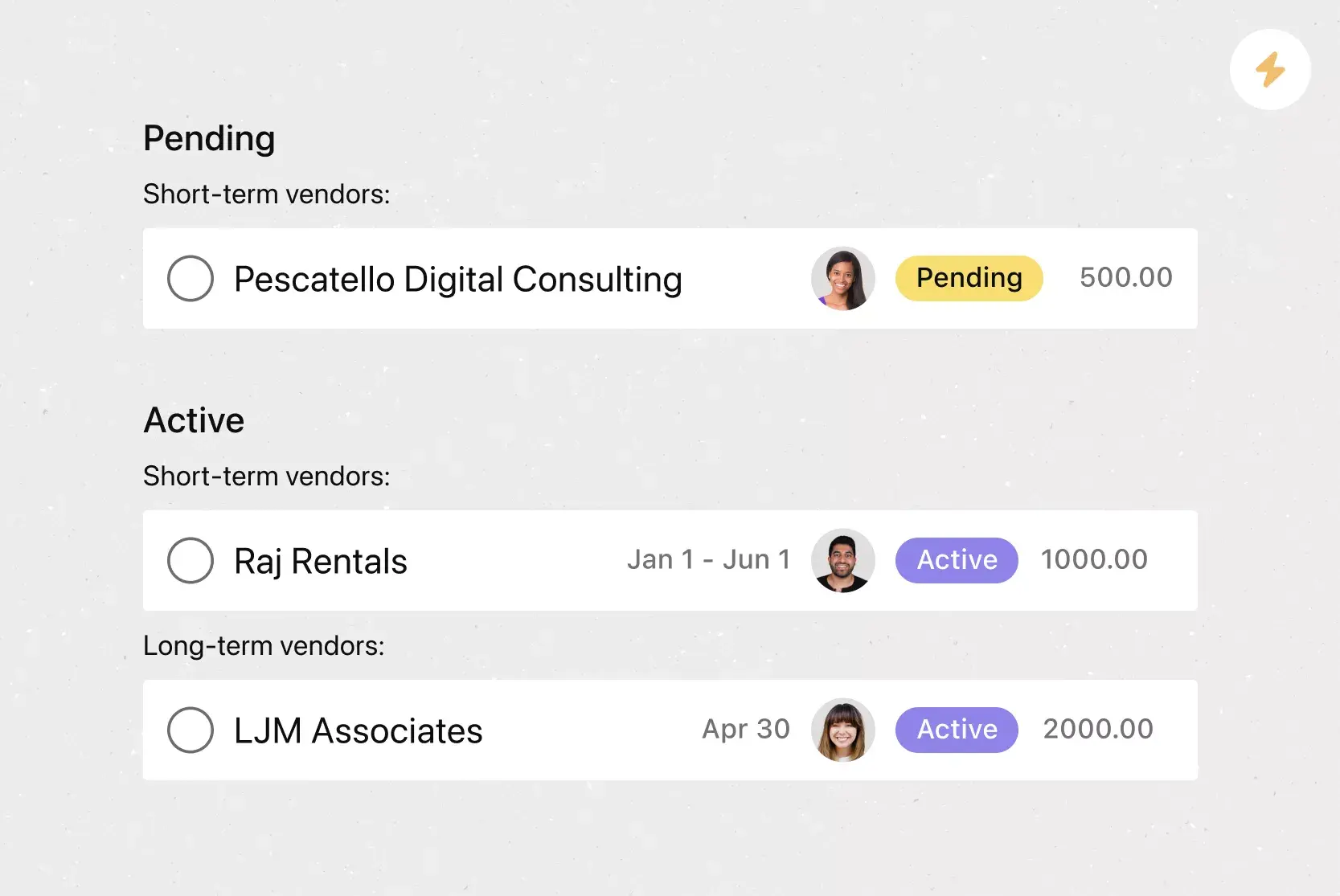
Custom fields let you log personas, milestones, pricing strategies, or key results. By using structured fields, you make trade-offs visible and align product goals with business objectives.
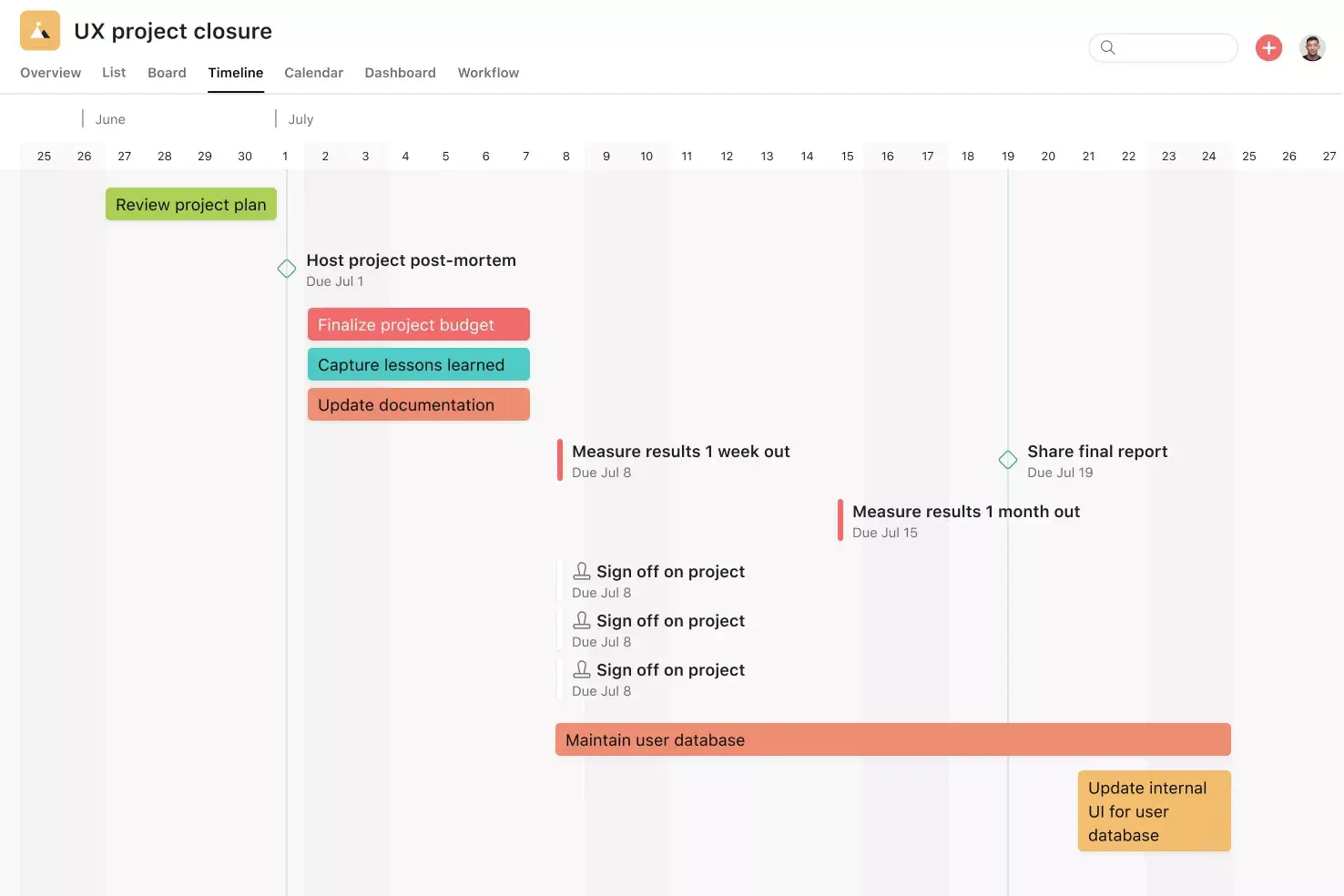
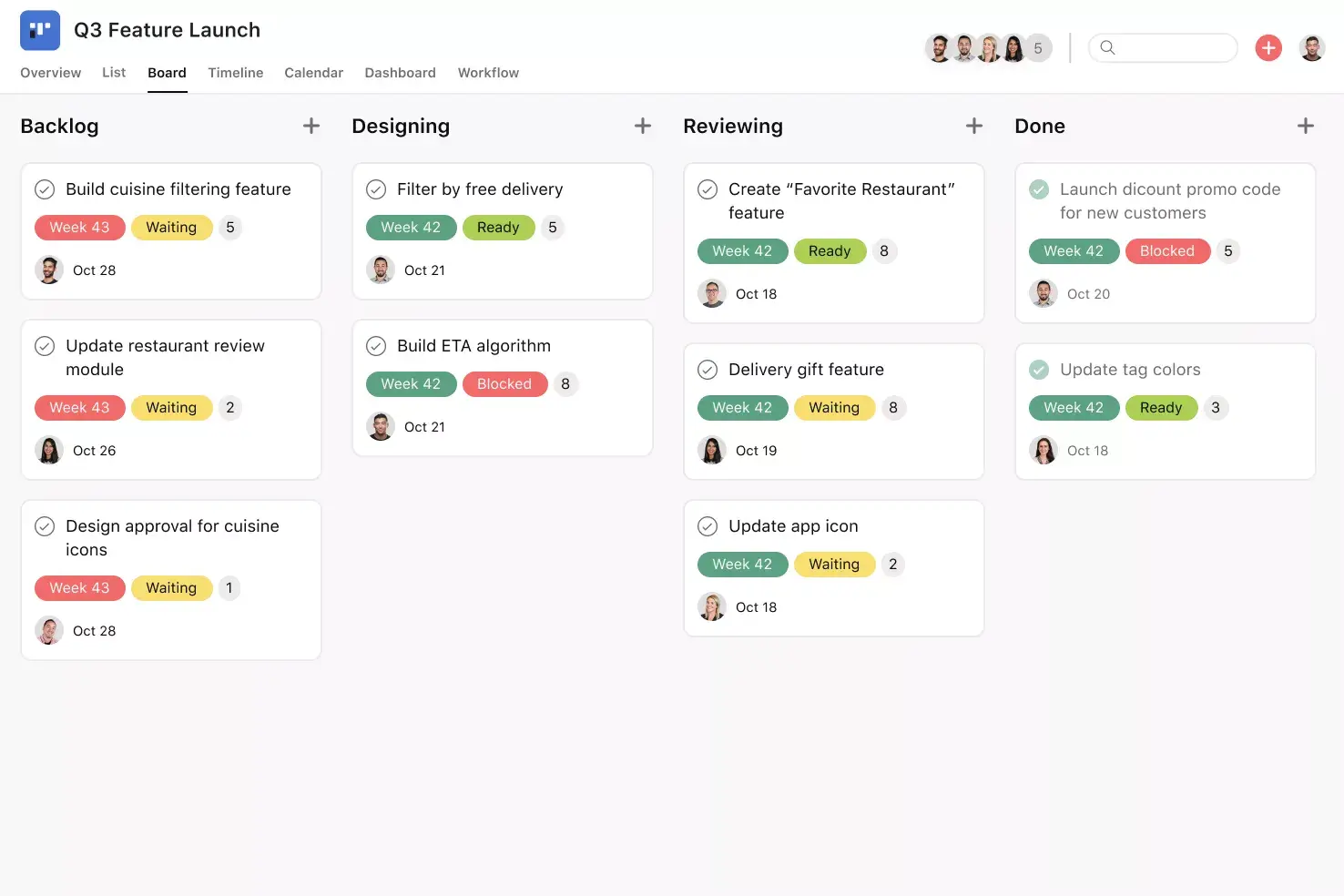
Project views give you flexibility to track the roadmap visually. Use the list view for detailed product strategy outlines, the board view to see prioritization, and the timeline view to map milestones across product development.
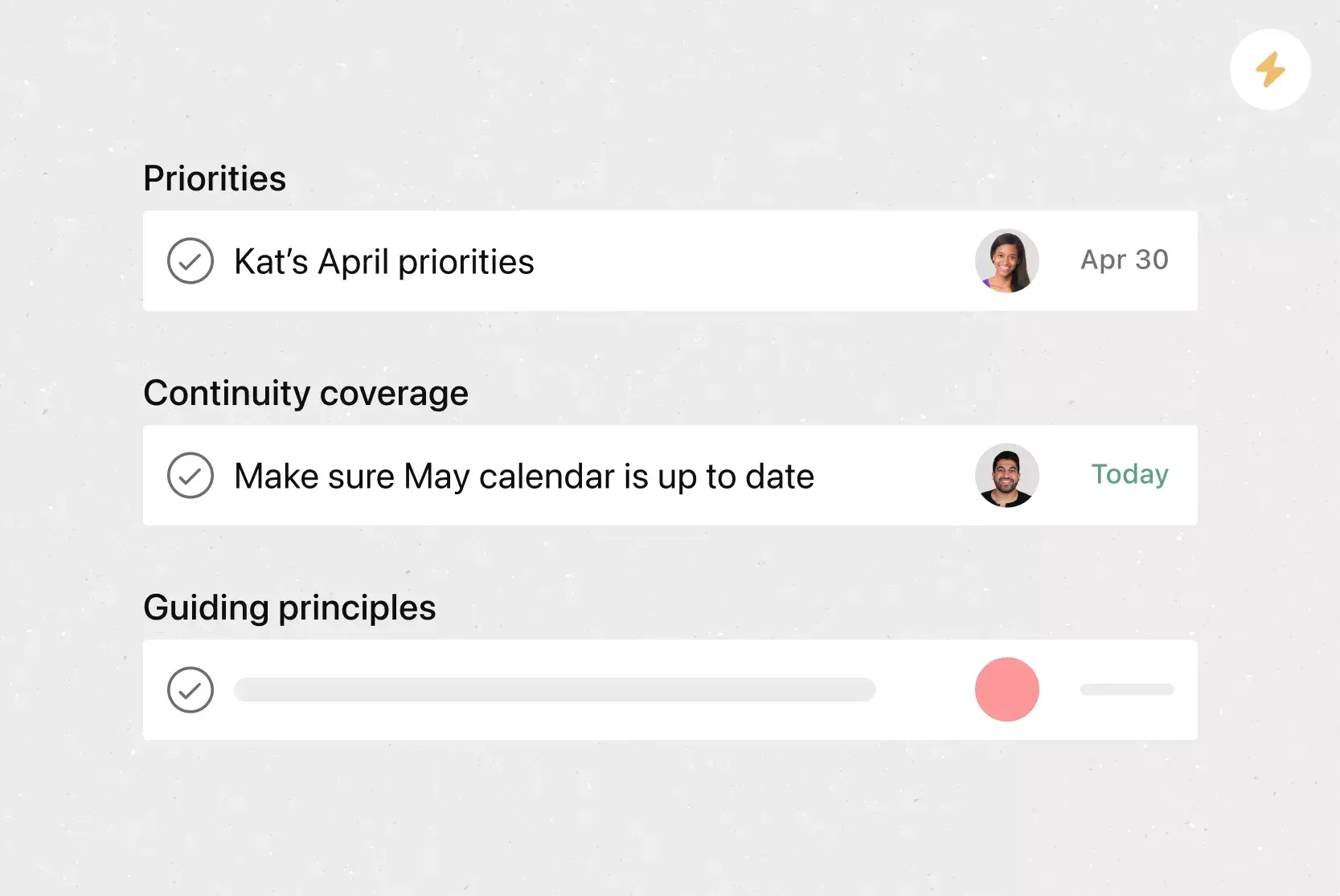
Rules automate repetitive workflows. For example, you can auto-assign a product manager when a new initiative is added, or notify marketing when a milestone approaches launch. Automation reduces the need for manual follow-ups and streamlines product planning.
Approvals help stakeholders confirm the product's goals or key marketing strategy elements. Product leaders can approve a roadmap update or sign off on a product launch plan without leaving the template.
Dashboards give product teams and leaders visibility into strategy execution. You can monitor progress toward business goals, see which milestones are at risk, and review metrics tied to successful product launches.
Recommended integrations
Integrations make your product strategy template more powerful by connecting Asana to the tools product managers and digital marketing teams already use. Explore the comprehensive integration library to discover the apps and software you use regularly.
Jira Cloud works with Asana to link product development tasks and epics to the strategy. Product managers can see when engineering work supports roadmap milestones, keeping product teams aligned.
Slack integration sends updates from the product strategy template into your team channels. You can notify product leaders when goals are updated or alert marketing when a launch milestone is approved.
Google Drive integration enables you to attach product strategy documents, Lean Canvas models, or customer research directly to Asana tasks. Keeping docs connected to strategy tasks speeds up collaboration.
Figma connects to bring design artifacts into your product plan. You can attach wireframes, prototypes, or product logos to roadmap milestones to align product development and design.
How to use this product strategy template
The product marketing strategy template organizes your planning into sections and tasks that guide your workflow. Here's how to get the most from this Asana template.
Step 1: Define product vision and business goals
Start by writing a product vision statement that outlines the unique value proposition and overall strategy. Include the company's strategy, business objectives, and key results so every product decision supports growth. Next, map out high-level business goals and pair them with product outcomes. This step establishes a foundation for prioritization and ensures your product roadmap reflects your company's goals.
Step 2: Identify personas and target audience
Add user personas that reflect your ideal customer and their specific needs. Include customer profiles, market segments, and demographics to define the target audience for the product. Link each persona to product goals so teams understand how features improve user experience. By anchoring development to the target audience, you strengthen differentiation and product positioning.
Read: Ideal customer profile template to define your best buyersStep 3: Build the product roadmap
Organize epics, features, and milestones into a roadmap template. Break down work into iterations and attach due dates to keep product development on schedule. Use prioritization fields to compare trade-offs, from pricing considerations to technical dependencies. The roadmap becomes a living product plan that updates in real time as priorities shift.
Read: Free product catalog template to organize SKUs, specs, and pricesStep 4: Define metrics and success criteria
Add fields to track key metrics and use dashboards to visualize progress and inform decision-making. Common metrics to monitor include:
Adoption: How many users are engaging with new features?
Retention: Whether customers continue using the product over time.
Revenue: How product changes affect conversions and growth.
Step 5: Document marketing strategy and launch plan
Include product marketing strategy elements such as positioning, messaging, and go-to-market tactics. Attach campaign milestones, channel mix, and launch deadlines to the template. Organize product marketing and product development by linking tasks and stakeholders. This ensures every new product reaches the right target audience with the right story.
Product strategy examples
Seeing how other companies approach product strategy can help you shape your own. Here are a few examples of common product strategy approaches in action.
Differentiation strategy
A software company entering a crowded market focuses its product strategy on a single capability that competitors underserve, such as real-time collaboration for distributed teams.
Vision: Make remote teamwork feel as seamless as working side by side.
Roadmap focus: Prioritize live co-editing, built-in video, and shared dashboards while deprioritizing features that don't reinforce the core differentiator.
Key metrics: Daily active collaboration sessions and user retention among remote teams.
Market expansion strategy
An established project management tool serving small teams creates a product strategy to move upmarket into enterprise accounts.
Vision: Shift toward scalability, security, and cross-department visibility.
New personas: IT administrators and operations leaders.
Roadmap focus: Advanced permissions, audit logs, and executive reporting dashboards.
Key metrics: Enterprise deal size, time to onboard, and cross-team adoption rates.
Customer-led growth strategy
A product-led SaaS company builds its strategy around reducing friction in the user journey.
Vision: Help customers reach value within minutes of signing up.
Roadmap focus: Onboarding improvements, in-app guidance, and self-serve templates based on where new users drop off.
Key metrics: Time to first value, activation rate, and organic referral volume.
Each of these examples follows the same structure: a clear vision, defined personas, a focused roadmap, and measurable goals. Your product strategy template gives you a consistent way to document and share this thinking across your team.
Key elements of a product strategy
Before you dive into your template, it helps to understand the building blocks that make a product strategy effective. These are the core elements you'll want to define, whether you're launching a new product or refining an existing one.
Product vision
Your product vision describes the future state you're working toward. It should be aspirational enough to motivate your team but specific enough to guide decisions.
Target market and personas
Define who your product is for. Identify the customer segments you're serving, their pain points, and what they value most. User personas bring these audiences to life and help your team design features that solve real problems for real people.
Competitive positioning
Understand how your product fits in the market. Identify the alternatives your customers currently rely on, and clarify what makes your product different.
Value proposition
Your value proposition is a concise statement of the primary benefit your product delivers and why customers should choose it over alternatives. It should directly align with your target audience's needs and inform your messaging, pricing, and go-to-market approach.
Goals and success metrics
Set measurable goals that connect your product work to business outcomes. Define the metrics you'll use to track progress, such as adoption, retention, revenue, or customer satisfaction.
Product roadmap
Your roadmap translates strategy into action. It outlines the features, initiatives, and milestones your team will deliver over time, along with their relative priority.
Build a product strategy that drives results
A clear product strategy is the foundation of successful product development. By centralizing your vision, goals, and roadmap into a single template, you empower your team to work together effortlessly and focus on what truly matters.
When everyone understands the "why" behind their work, they can make better decisions, prioritize effectively, and deliver solutions that customers love. Whether you're defining a new product or refining an existing one, get started with Asana to connect strategy to the daily work that moves it forward.
FAQs about product strategy templates
What is a product strategy template?
What should a product strategy document template include?
How is a product strategy template different from a product roadmap?
How often should you update your product strategy?
Why use a product strategy template instead of Google Docs or spreadsheets?
Related templates
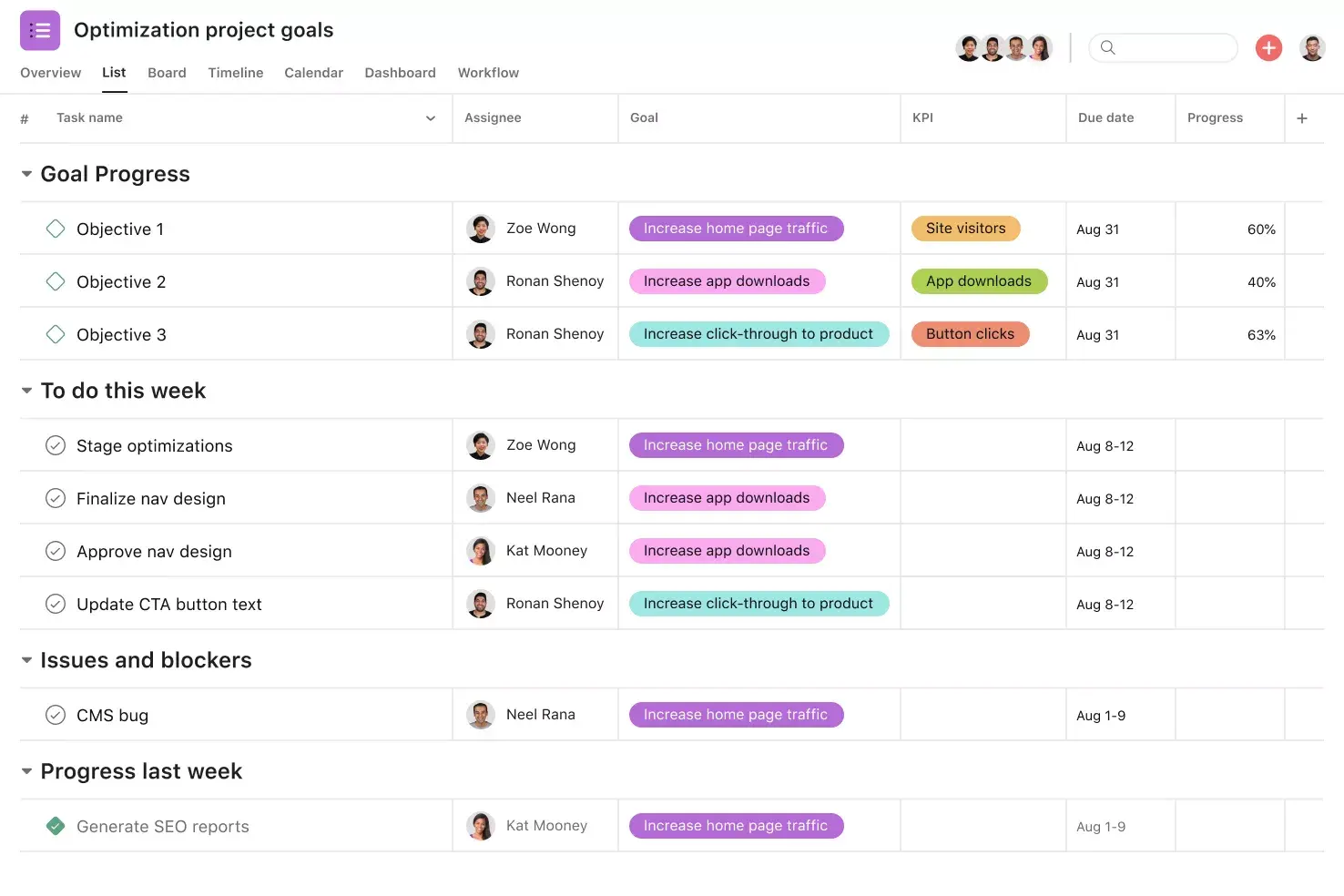
![[User Research Sessions] template banner Card Image](https://assets.asana.biz/transform/f9fa4005-1bcf-43d0-b78a-55f8f84c3569/TG23-web-thumbnail-026-kickoff-meeting-static-2x?io=transform:fill,width:2560&format=webp)
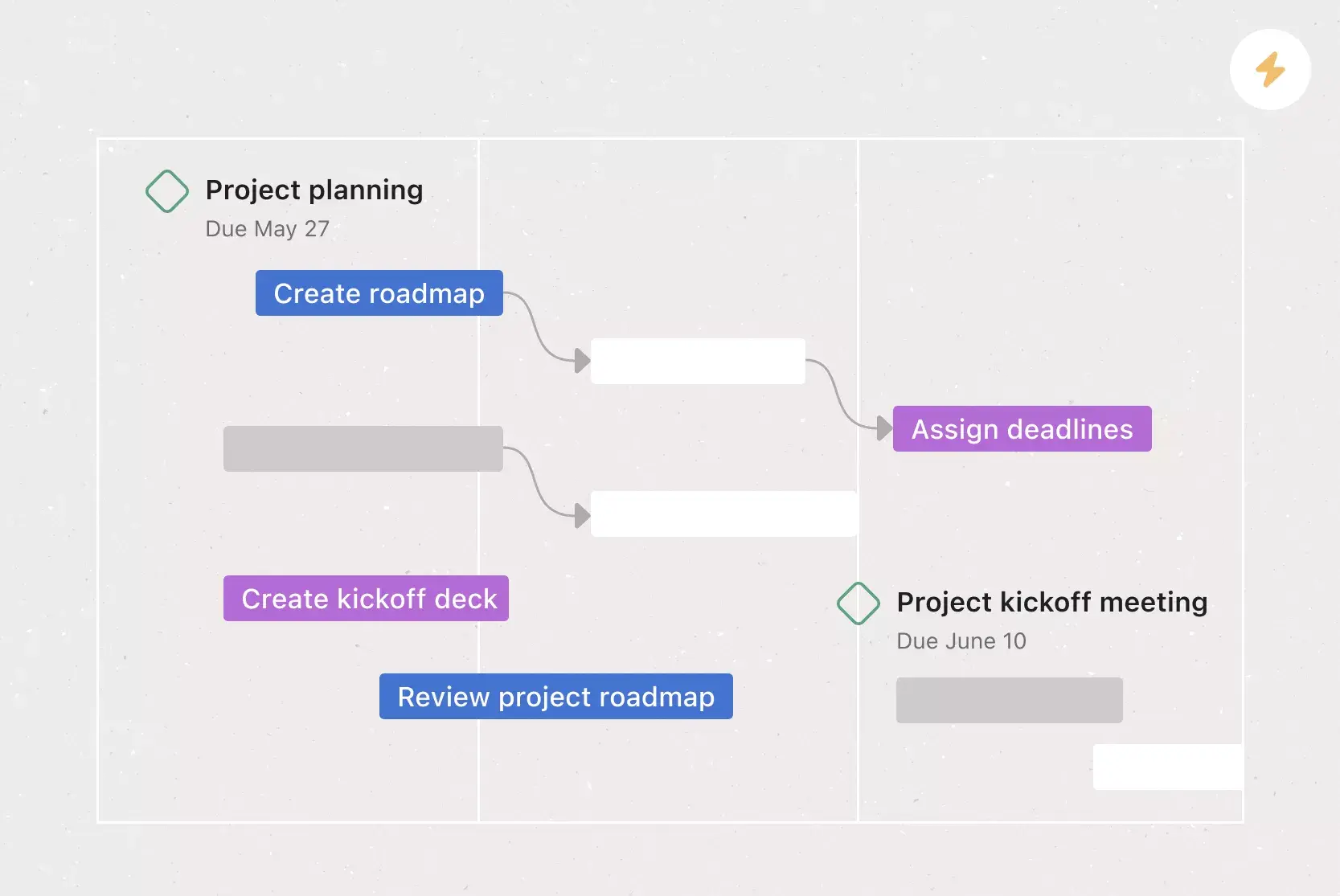
![[Templates] Usability Testing (Card image)](https://assets.asana.biz/transform/83417d59-585c-4e30-8851-69b7a8a51d9c/TG23-web-thumbnail-034-process-improvement-static-2x-2x?io=transform:fill,width:2560&format=webp)
![[Templates] Customer Feedback (card image)](https://assets.asana.biz/transform/9f02c069-de33-4d0c-a4e0-c2ac6a793622/-Template-customer-feedback?io=transform:fill,width:2560&format=webp)
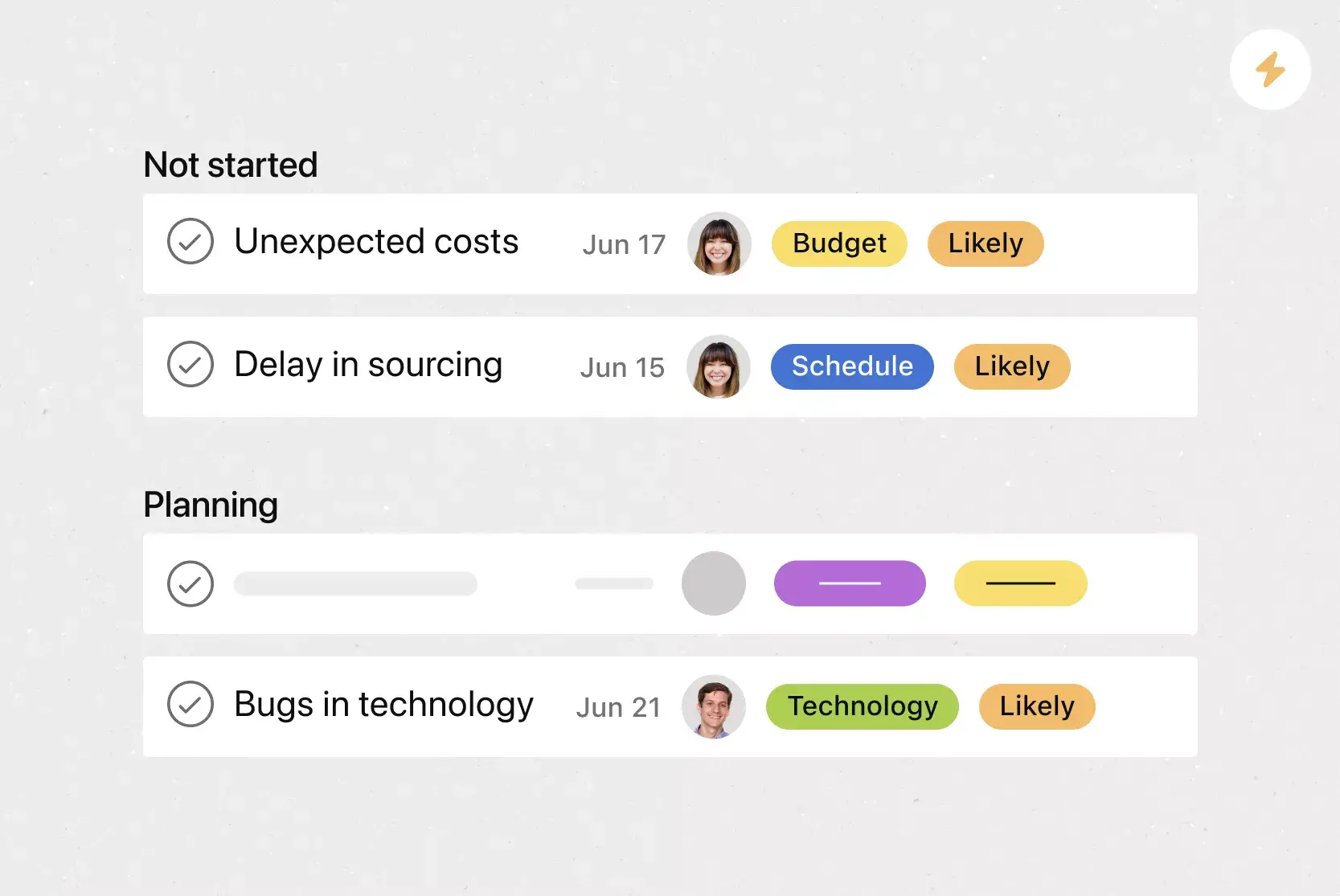
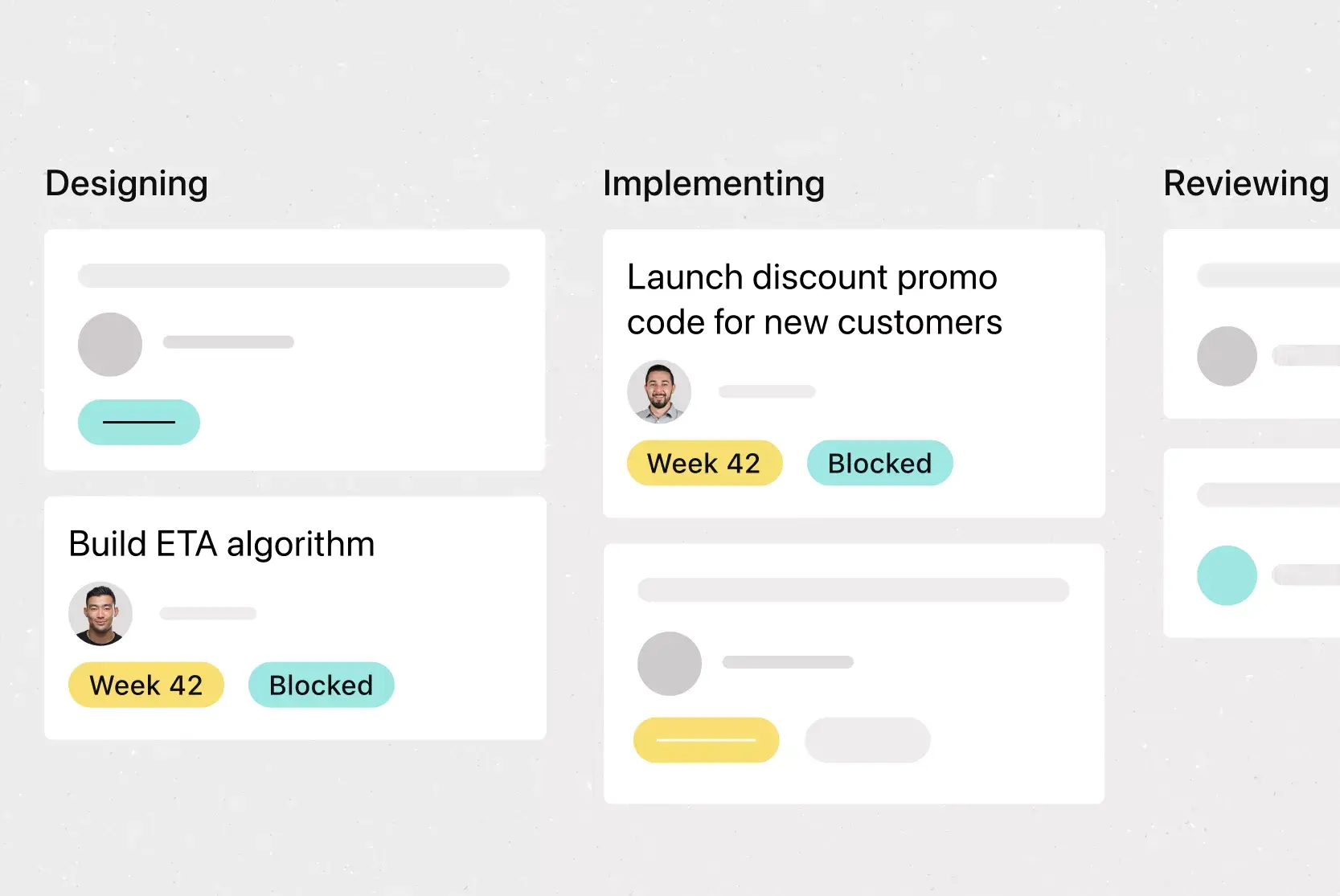
![[Templates] Product launch (card image)](https://assets.asana.biz/transform/d0767f76-b214-4852-9055-85259f5dcd32/Template_ProdLaunch_Thumb?io=transform:fill,width:2560&format=webp)
Create templates with Asana
Learn how to create a customizable template in Asana. Get started today.