


Market Strategy Template
Use a free template to organize marketing campaigns, track progress, and connect daily tasks to team goals and budgets in one place.
Sign up to create your own template.
Market Strategy Template
Use a free template to organize marketing campaigns, track progress, and connect daily tasks to team goals and budgets in one place.
Create your templateSign up to create your own template.
INTEGRATED FEATURES
Recommended apps




![[Product UI] Marketing strategy](https://assets.asana.biz/transform/d1e43449-63ec-4633-a01b-5e4bd03096e8/inline-marketing-strategy?io=transform:fill,width:2560&format=webp)
A solid marketing strategy helps your team stay focused, keeps campaigns organized, and makes your goals easier to achieve. Creating one from the ground up can be time-consuming, and it's easy to miss key details without a clear plan. That's why using a marketing strategy template is so helpful.
A good template gives your team a reliable starting point for planning tactics, setting budgets, and linking daily tasks to larger business goals. In this article, you'll find out what goes into a marketing strategy template, how to build one step by step, and which types of strategies can help you reach your goals.
What is a marketing strategy template?
A marketing strategy template is a reusable document that helps your team plan, organize, and track marketing tactics throughout the year. It typically includes your team's business objectives, budget allocation, target audience details, and the specific tactics you'll use to reach your goals.
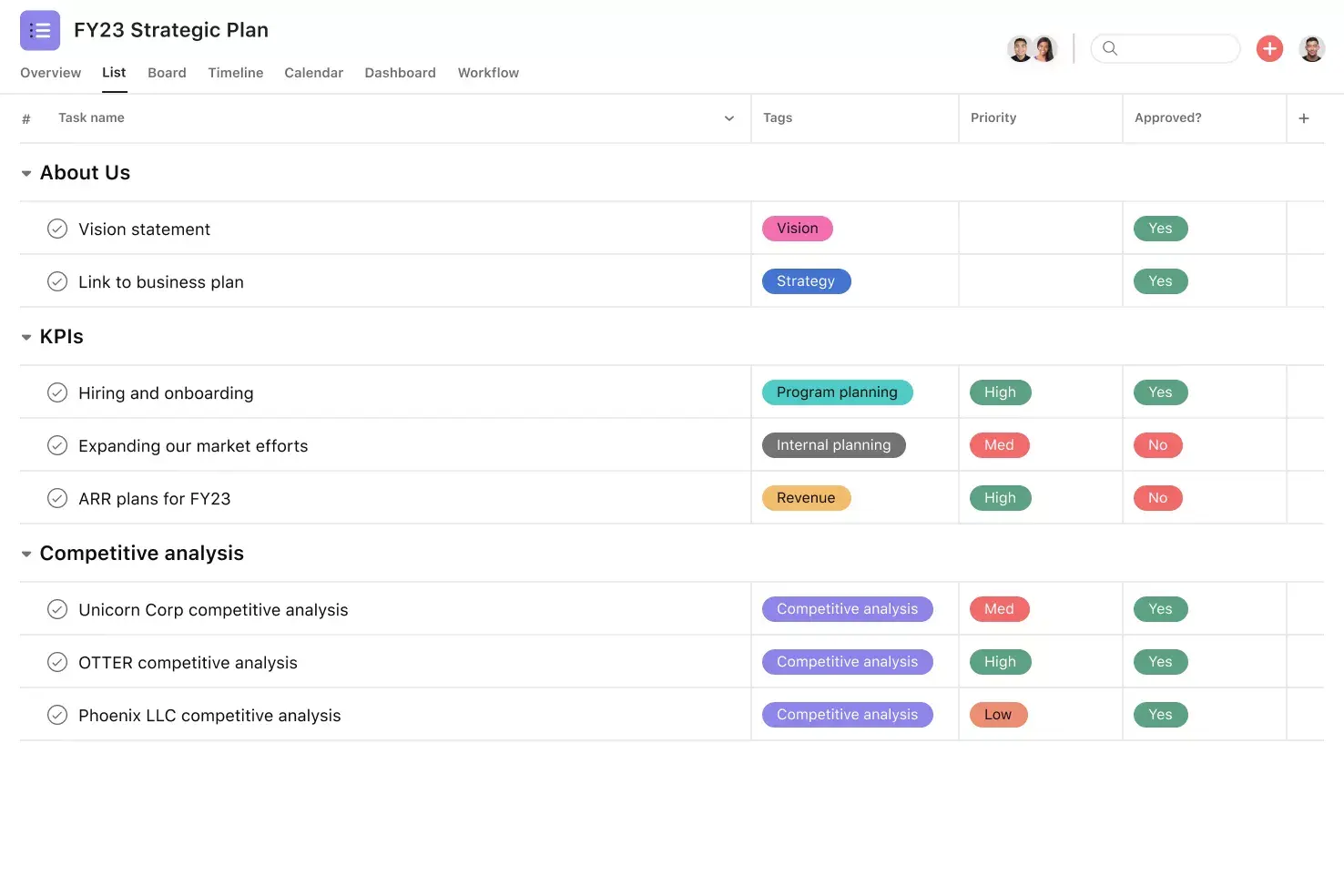
The Asana marketing strategy template gives leaders the tools they need to build a strong marketing plan and keep everyone focused on the most important goals.
Read: Free business model canvas template for startupsWhat is the difference between a marketing plan and a marketing strategy?
These two terms are often used interchangeably, but they serve different purposes. A marketing plan defines the "what" and "why," while a marketing strategy defines the "how."
Focus: Marketing plan sets goals; marketing strategy defines the work
Answers: Marketing plan covers who, what, and why; marketing strategy covers how
Scope: Marketing plan sets direction; marketing strategy outlines steps, channels, and timelines
What components are in a marketing strategy template?
Updating your marketing strategy once or twice a year helps keep your team on track. A good marketing strategy template makes sure everyone has the key information they need to complete any project. This information often includes:
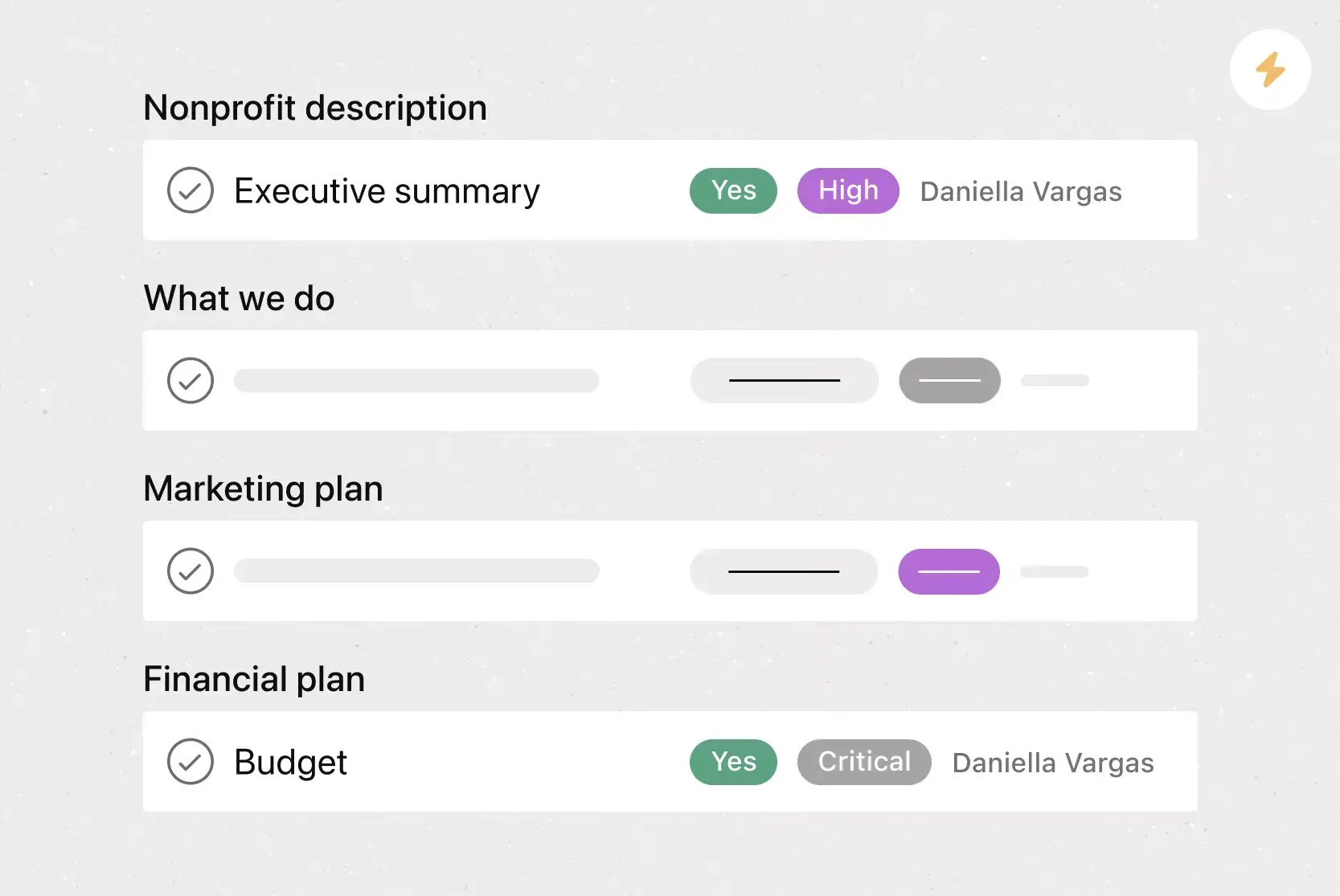
Executive summary: This is the high-level overview of your marketing strategy. The executive summary should summarize everything that's in your marketing plan within one to two pages.
Business objectives: These are the goals your marketing team sets to help the whole business succeed. Your objectives should link directly to the work in your marketing strategy. Since business objectives can change each year, remember to update them when creating your template.
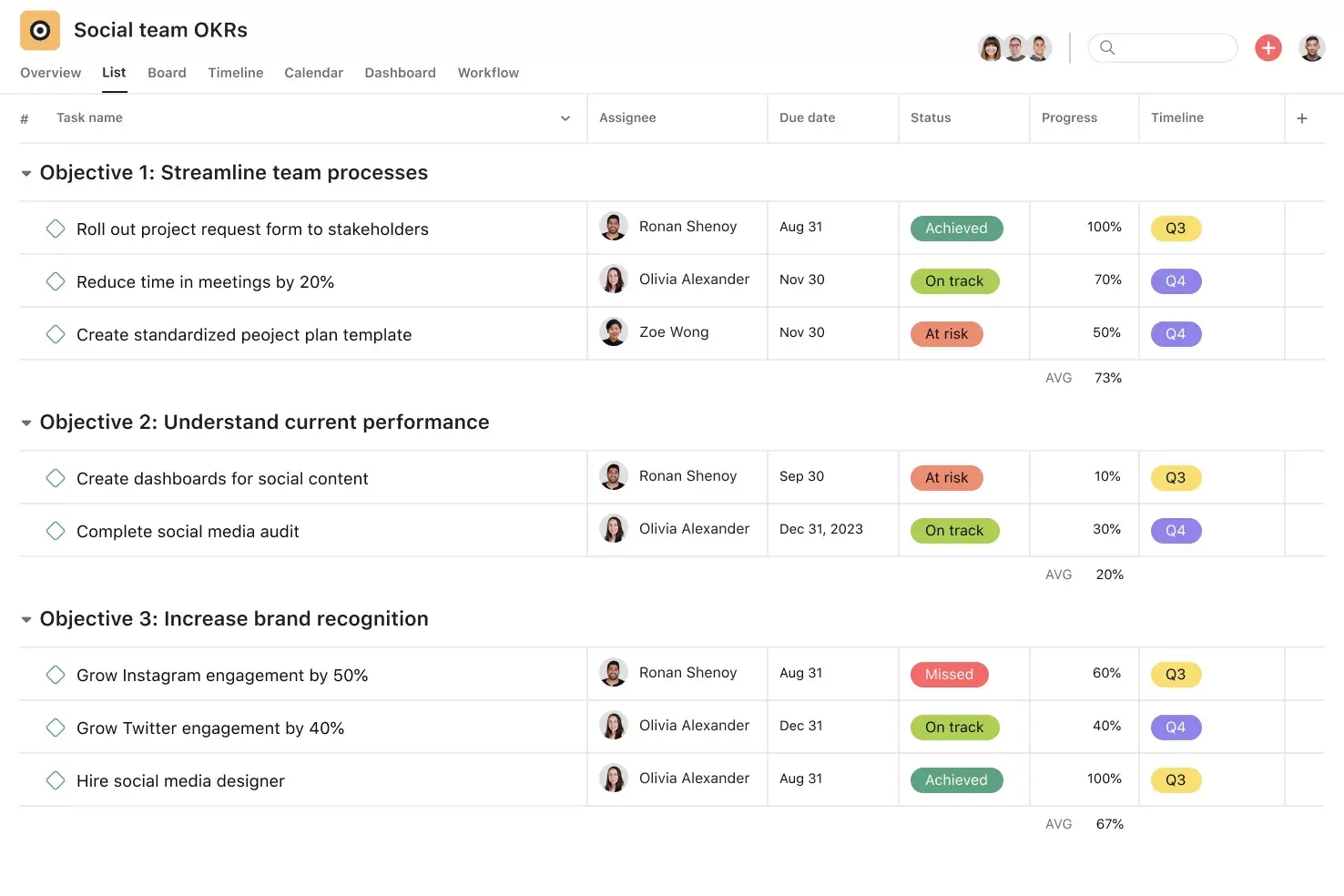
Marketing goals and metrics: While the business objectives outline the company's overall goals, this section identifies the specific goals the marketing team aims to achieve. This includes any major key performance indicators (KPIs) or SMART goals that your team establishes. You'll also find key milestones or major deadlines in this section.
Marketing initiatives: Any major marketing initiative you have will live in this section. This includes your team's positioning strategy, the marketing channels you plan to use, how you're allocating your budget, your branding strategy, and your marketing funnel strategy.
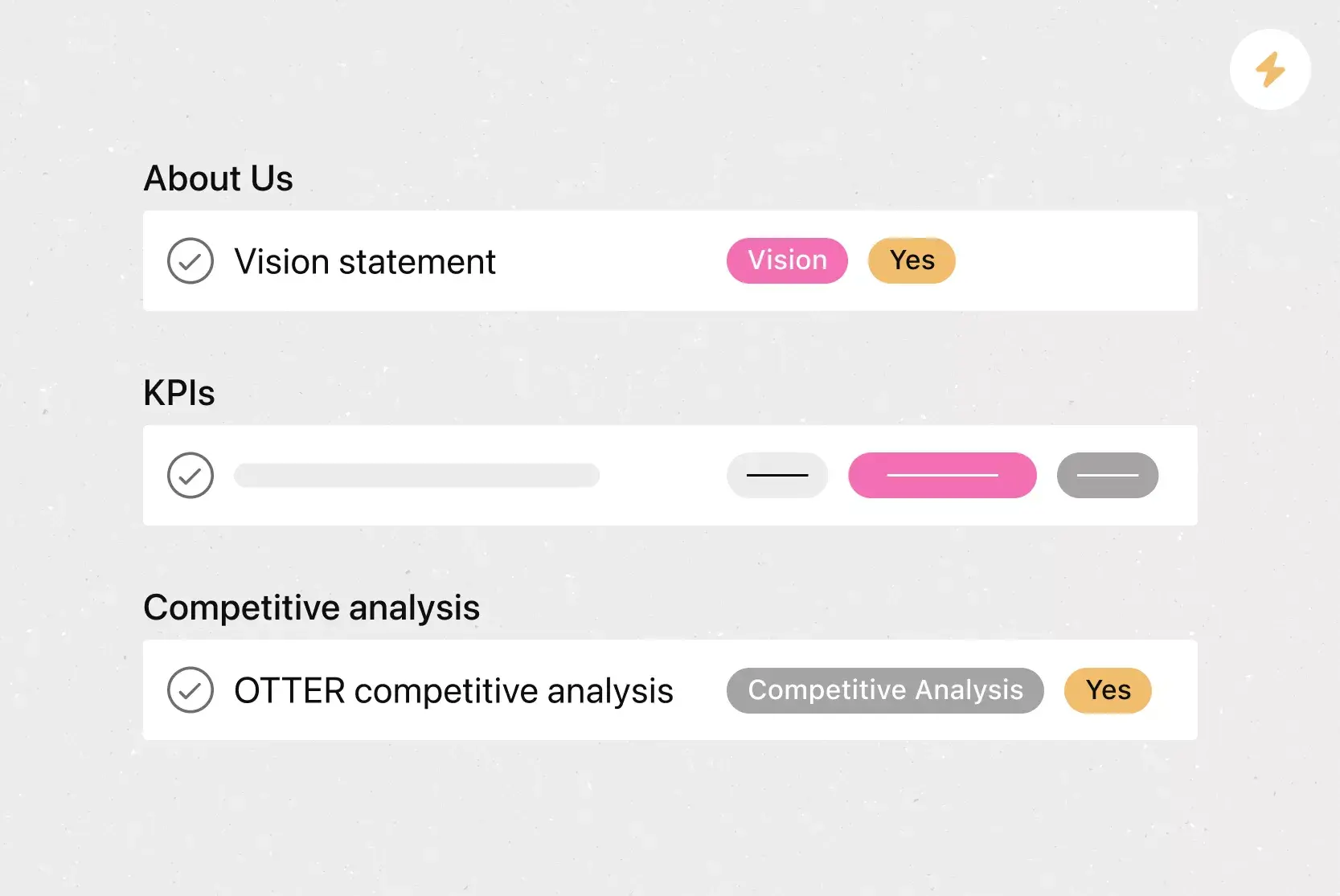
Market research: This section details the current state of the external market for your industry. This section includes your customer analysis, competitive analysis, and your team's SWOT analysis. You might also find demographic information on your target market, competitor battlecards, comparison charts, and messaging documents.
How to create a marketing strategy step by step
Now that you know what a marketing strategy template includes, here’s how to complete one. Follow these steps to create a marketing strategy that links your team’s work to clear, measurable goals.
Step 1: Define your business objectives
Step 2: Conduct market research
Step 3: Identify your target audience
Step 4: Analyze your competitors
Step 5: Set marketing goals and metrics
Step 6: Choose your marketing channels and tactics
Step 7: Allocate budget and resources
Step 8: Measure, review, and adapt
1. Define your business objectives
Start by identifying what your business needs to accomplish. Your business objectives set the direction for everything else in the strategy and connect your marketing work to strategic planning. Whether you're focused on increasing revenue, expanding into a new market, or improving customer retention, these objectives should be clear and specific.
2. Conduct market research
Before you decide on tactics, understand the landscape. Research your industry trends, customer needs, and the competitive environment. A thorough SWOT analysis helps you identify strengths to lean into, weaknesses to address, opportunities to pursue, and threats to watch for.
3. Identify your target audience
Define who you're trying to reach. Build out buyer personas that capture demographics, pain points, buying behaviors, and preferred channels. The more specific you are about your audience, the more effective your messaging and campaigns will be.
4. Analyze your competitors
Check what your competitors do well and where they could improve. A competitive analysis helps you spot gaps in the market and find ways to stand out. Write down what you learn in competitor battlecards or comparison charts so you can refer to them easily.
5. Set marketing goals and metrics
Translate your business objectives into specific marketing goals. Use SMART goals to ensure each goal is specific, measurable, achievable, relevant, and time-bound. Identify the KPIs you'll track, such as conversion rates, customer acquisition cost, or engagement metrics, so you can measure progress clearly.
6. Choose your marketing channels and tactics
Use your audience research to pick the best channels, such as content marketing, paid ads, email, social media, or events. Match each tactic to a goal, so your team knows how their daily work supports the bigger plan. Many marketing teams use campaign management software to organize and coordinate their strategies and planning.
7. Allocate budget and resources
Assign a budget to each channel and initiative based on expected impact and priority. Make sure you also account for the people and tools required to execute each tactic. A clear budget breakdown prevents overspending and helps your team make smart tradeoffs.
8. Measure, review, and adapt
Your marketing strategy isn't a set-it-and-forget-it document; it should support continuous improvement throughout the year. Schedule regular reviews, whether quarterly or monthly, to assess performance against your KPIs. Use what you learn to adjust tactics, reallocate budget, and refine your approach throughout the year.
Types of marketing strategies
Every marketing strategy is different. The best approach depends on your goals, your audience, and your business’s place in the market. Here are some common marketing strategies to consider as you build your template.
The 4 P's: product, price, place, and promotion
The 4 P's are a basic way to look at your marketing mix. These four parts work together to help you build a strong, unified strategy:
Product: What you're offering and how it solves your customer's problem.
Price: How you position the value of your product in the market.
Place: Where and how customers can access your product.
Promotion: The tactics you use to communicate your product's value, from advertising to content marketing.
Growth strategies: the Ansoff matrix
If your strategy is focused on growth, the Ansoff matrix offers four paths to consider:
Market penetration: Sell more of your existing products to your current market.
Market development: Bring your existing products into new markets or audiences.
Product development: Create new products for your existing market.
Diversification: Enter a new market with a new product.
Each option comes with its own risks and rewards. The best choice depends on your business goals and how much your team is ready to invest in new projects.
Choosing the right approach for your goals
Think about your team’s size, your budget, and the goals you’ve set. A new startup might focus on market penetration and digital channels, while a larger company may choose diversification or product development. The main thing is to pick a strategy that fits your goals and your team’s abilities.
Integrated features
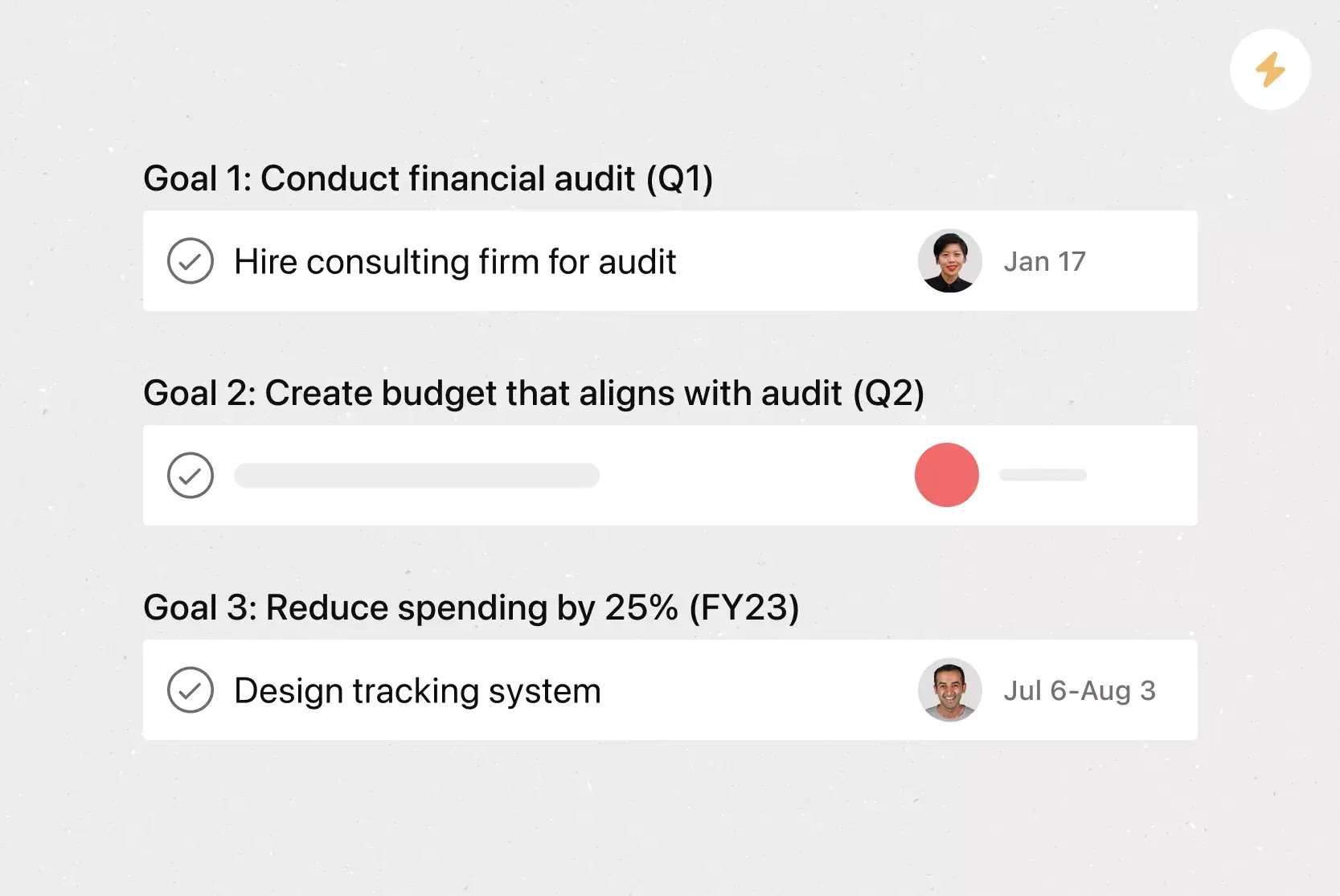
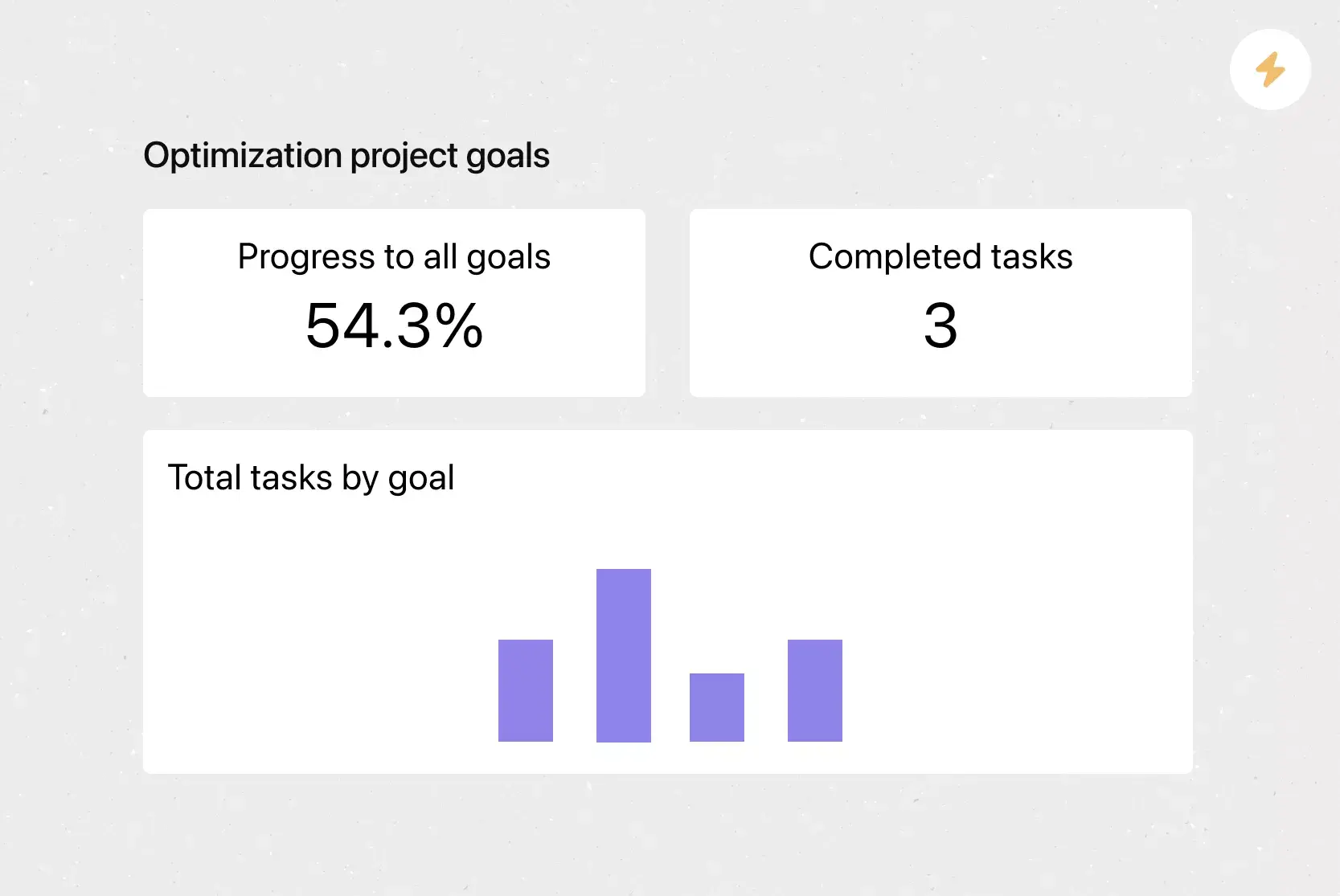
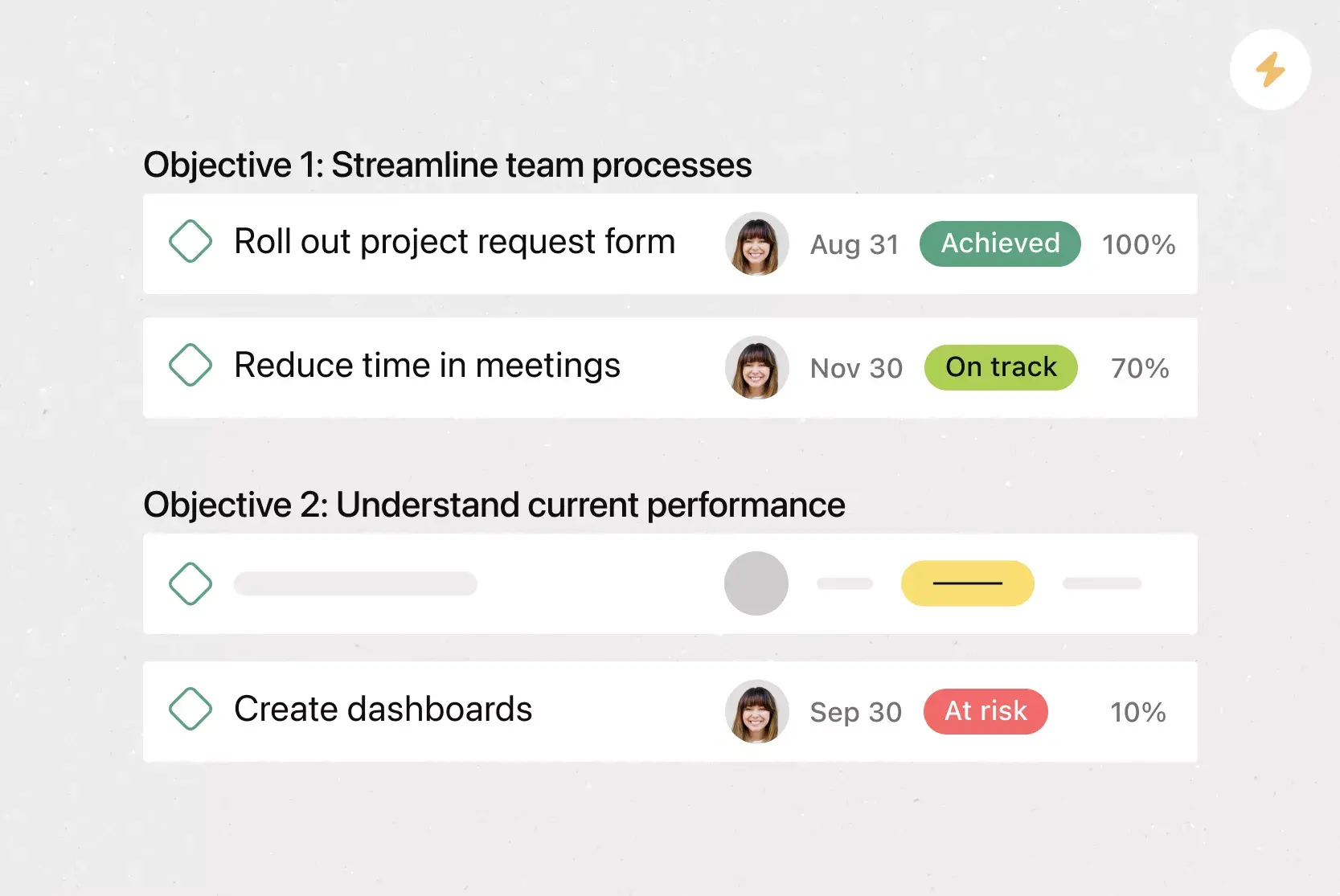
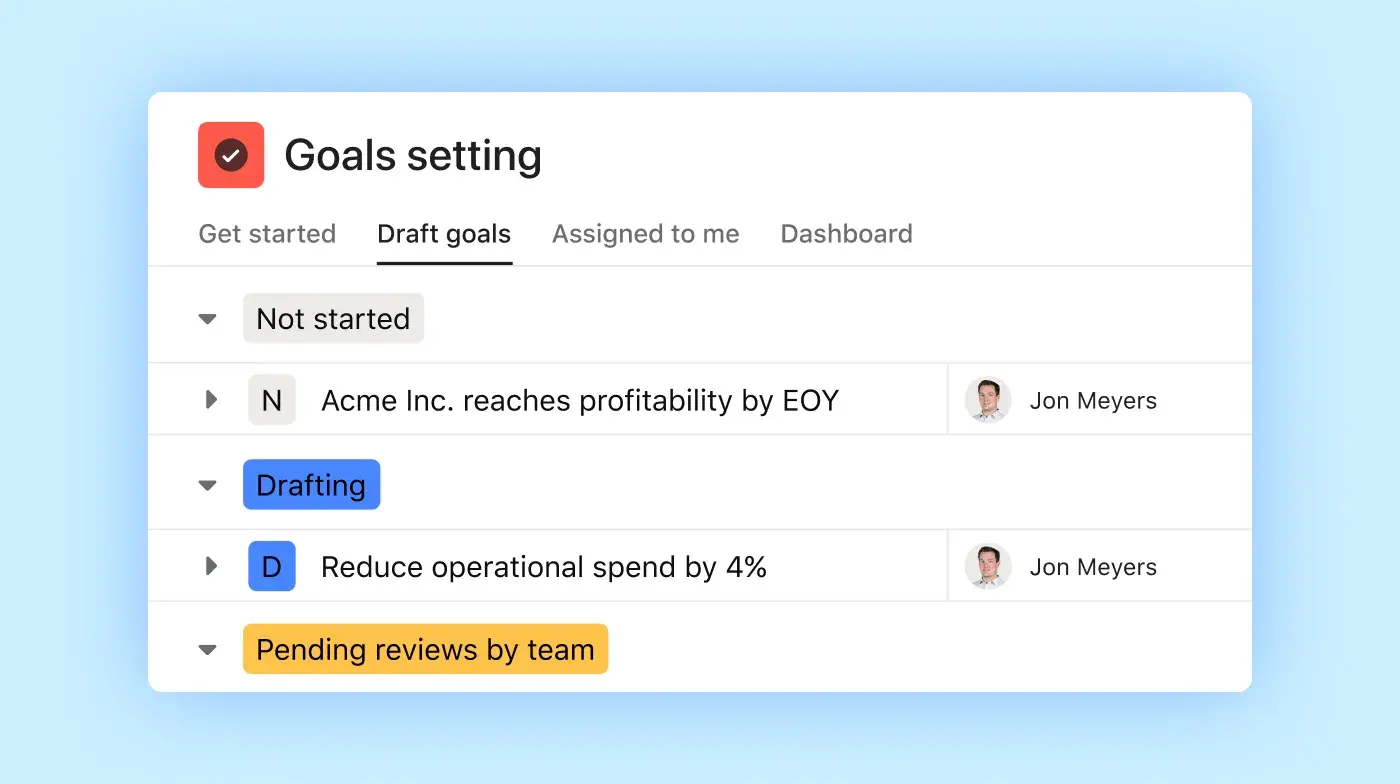
Goals. Goals in Asana directly connect to the work you're doing to hit them, making it easy for team members to see what they're working towards. More often than not, our goals live separately from the work required to achieve them. By connecting your team and company goals to the work that supports them, team members have real-time insight and clarity into how their work directly contributes to your team and company success. As a result, team members can make better decisions. If necessary, they can identify the projects that support the company's strategy and prioritize work that delivers measurable results.
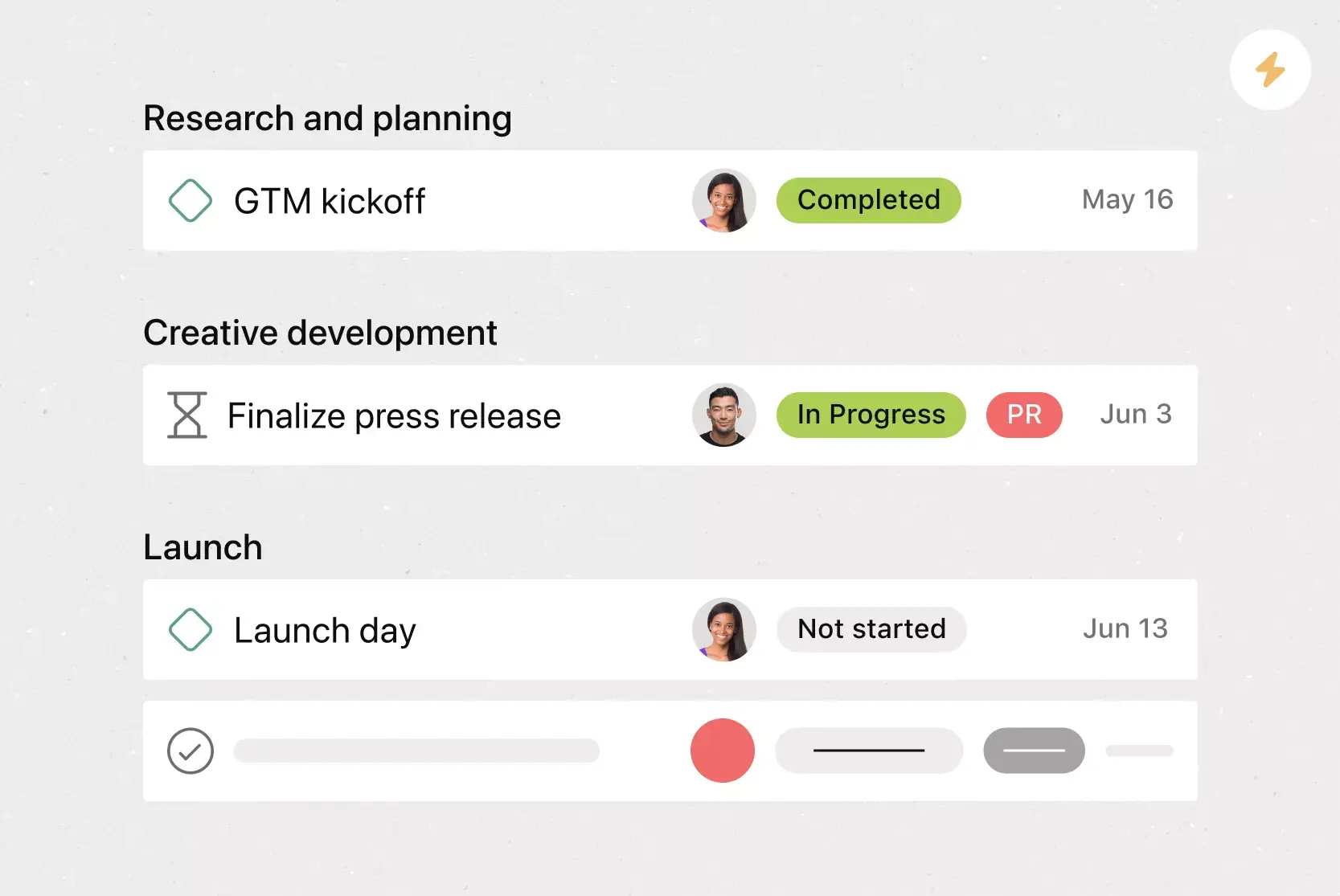
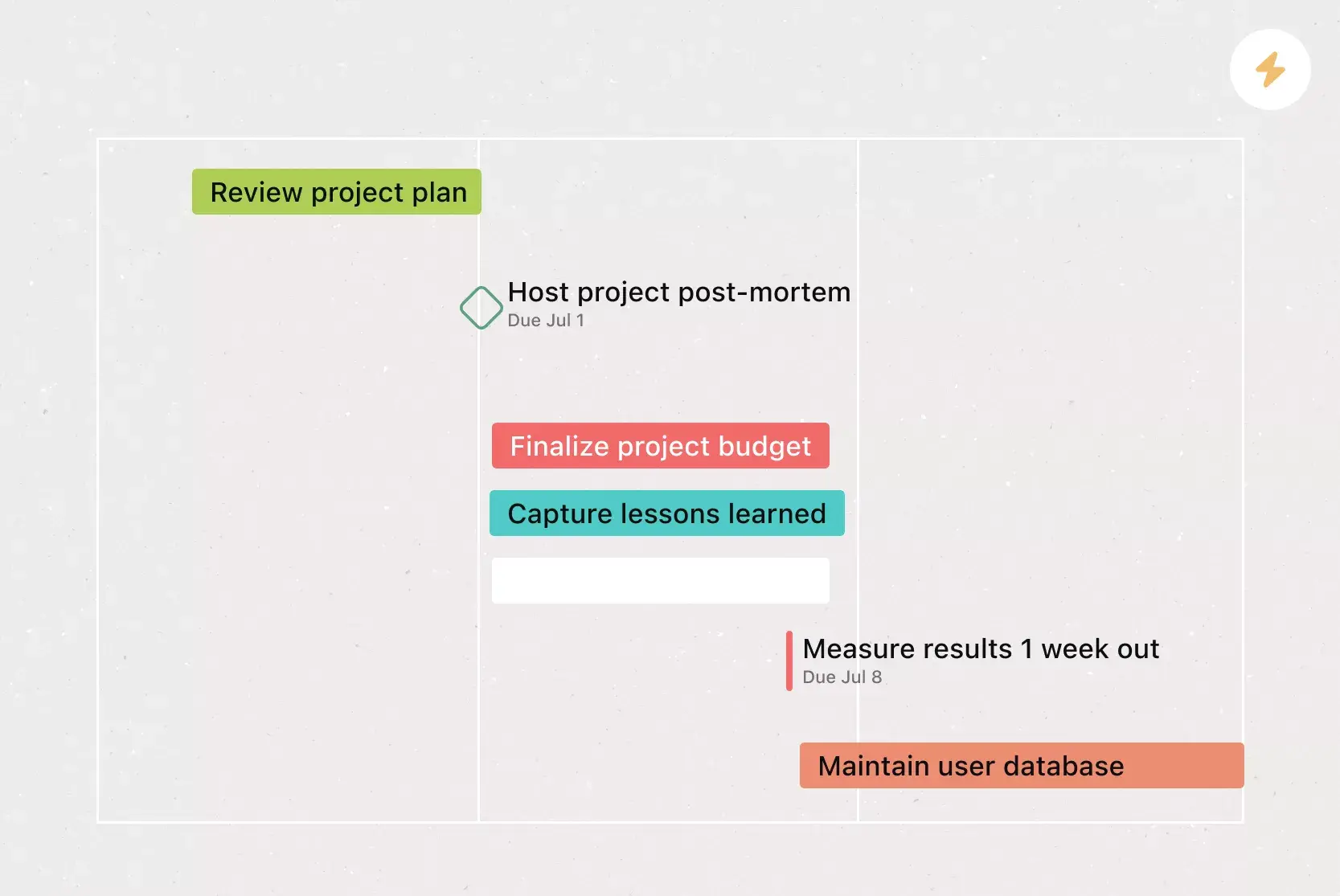
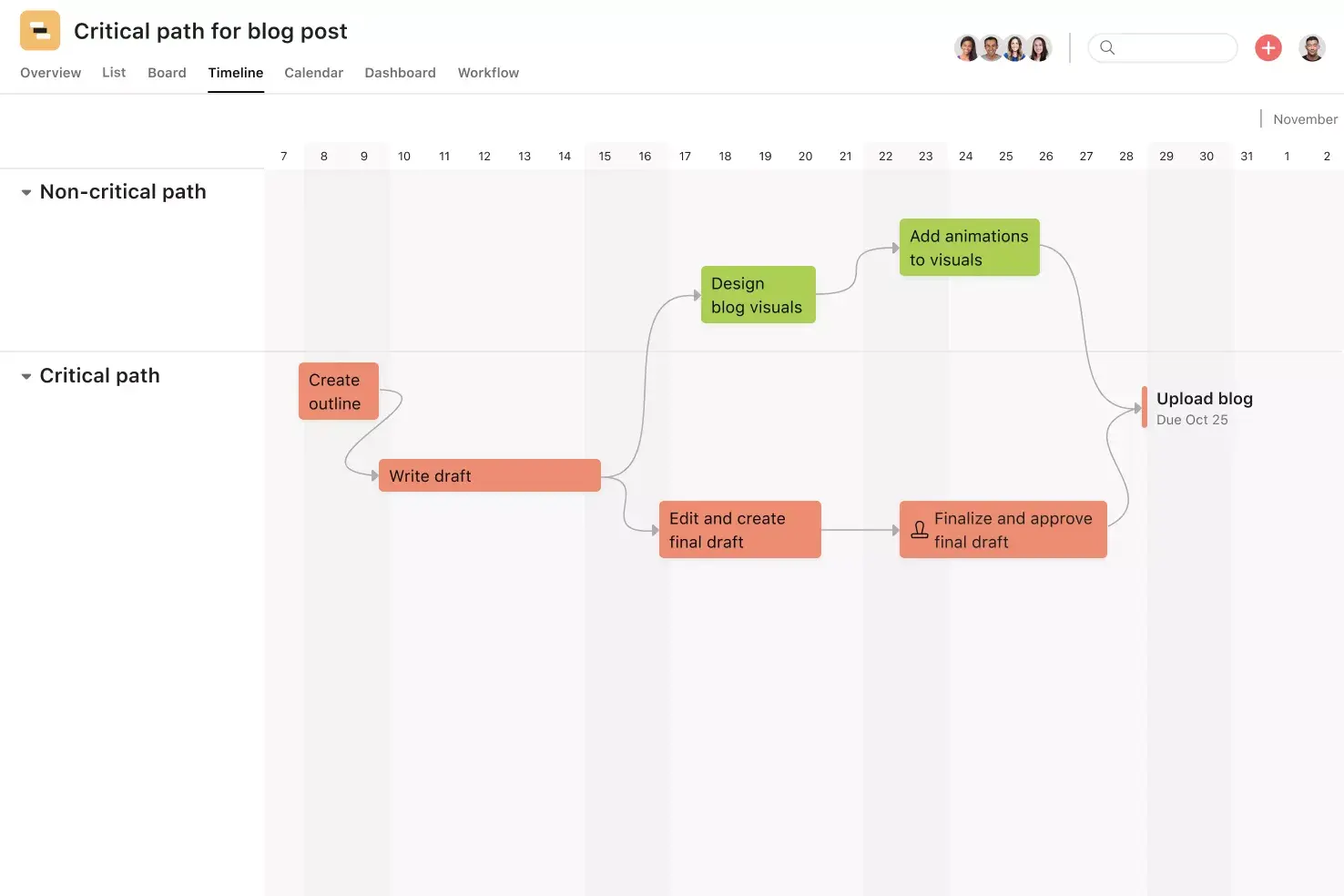
Milestones. Milestones represent important project checkpoints. By setting milestones throughout your project, you let your team members and project stakeholders know how you're pacing towards your goal. Use milestones as opportunities to celebrate the little wins on the path to the big project goal.
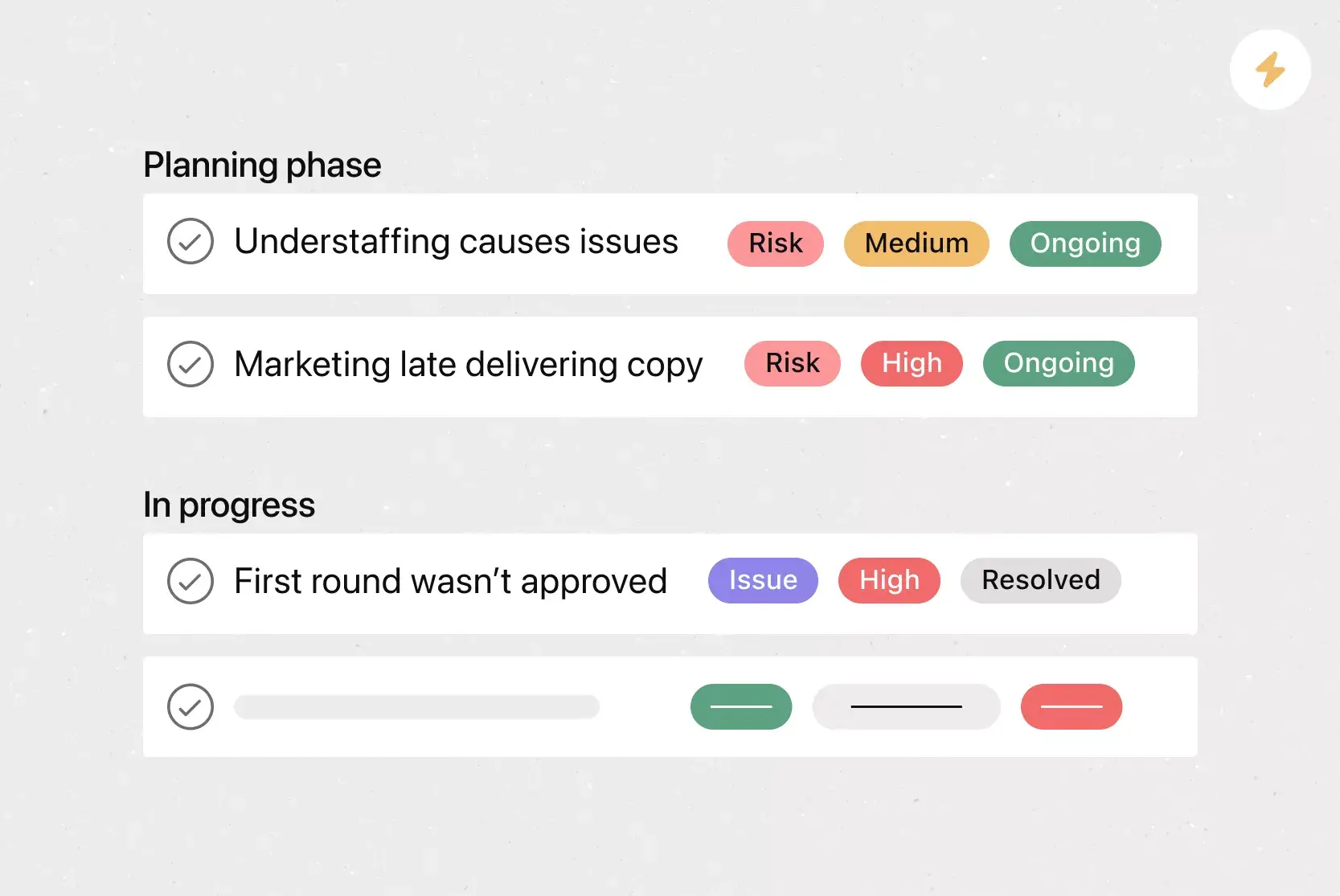
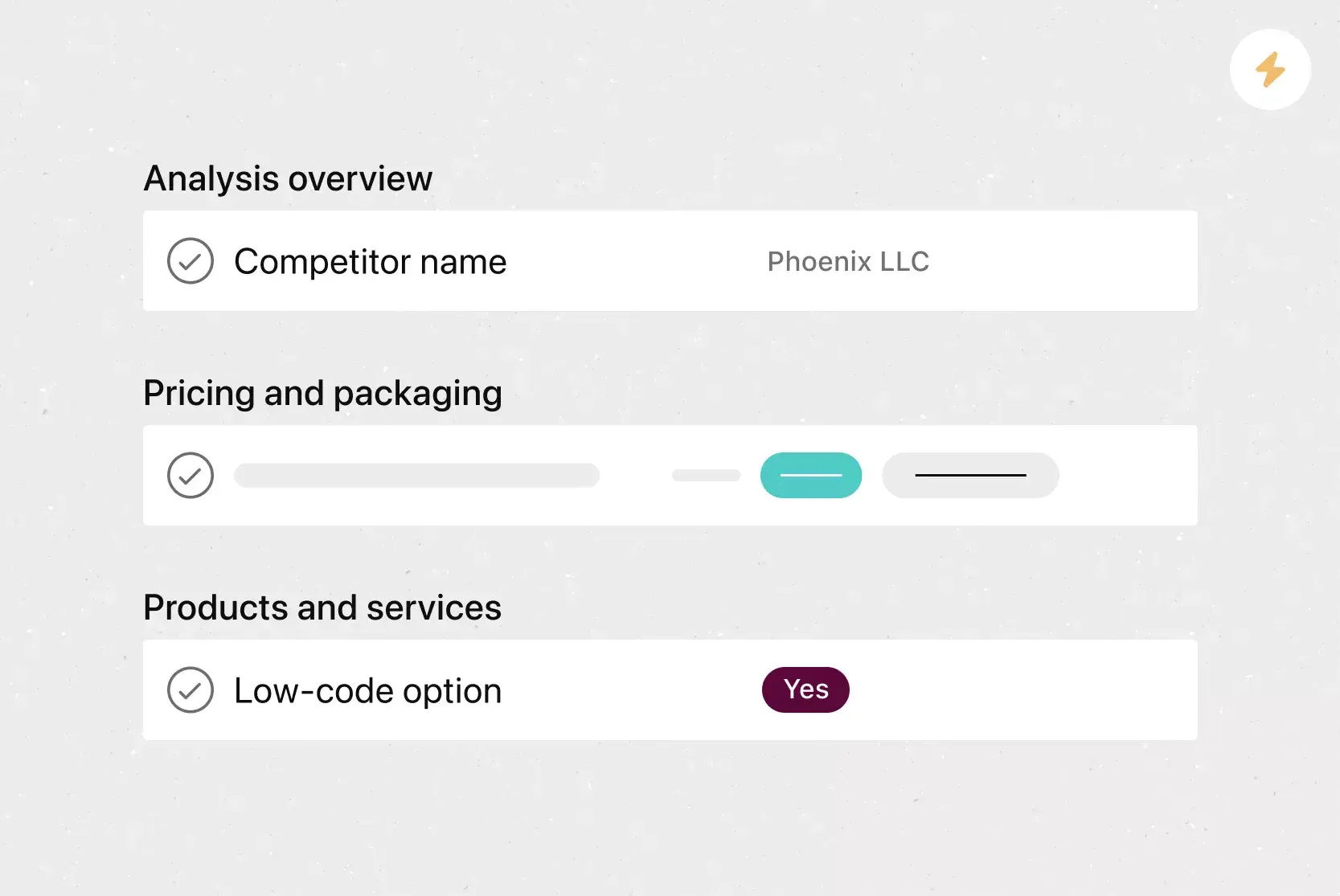
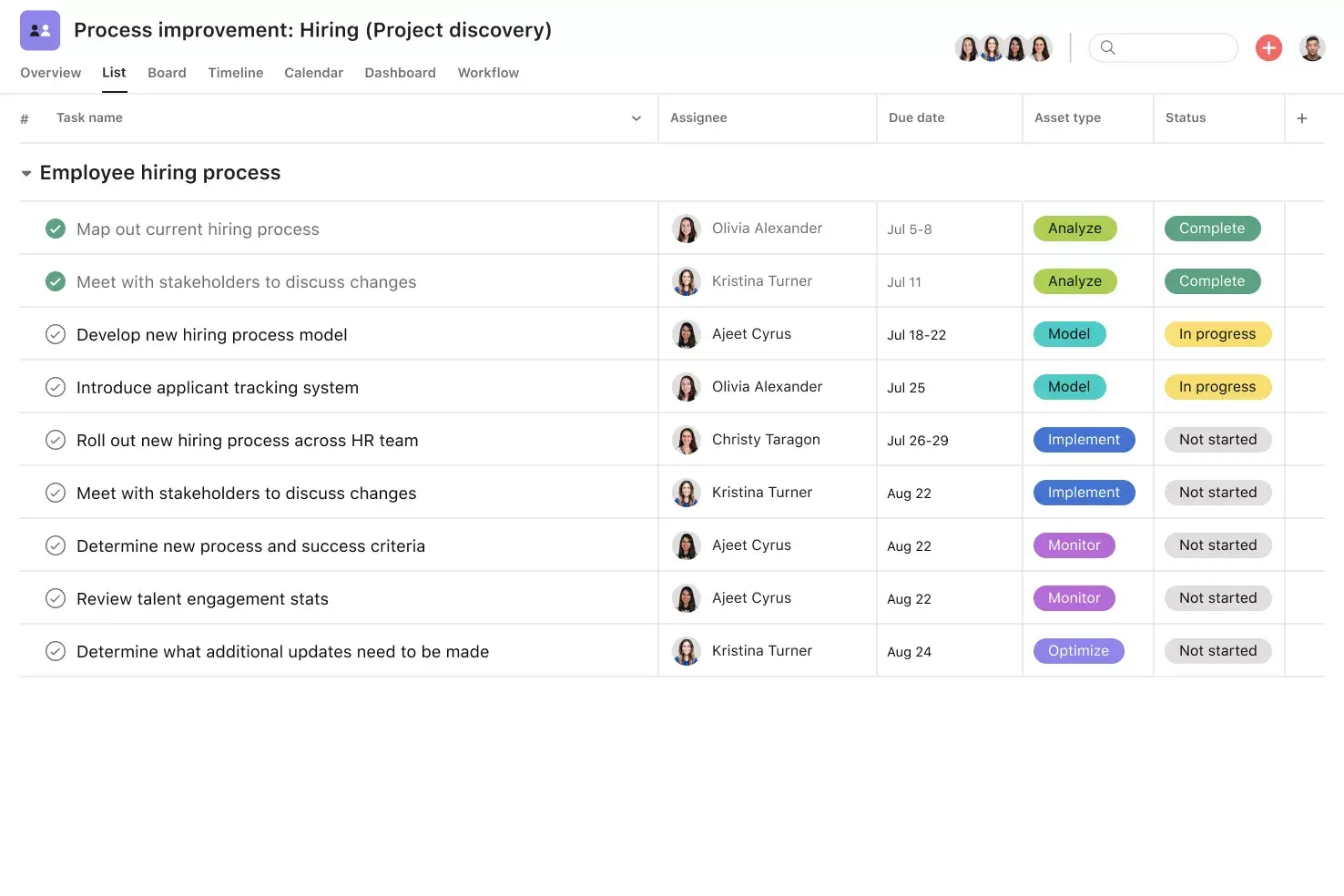
Custom fields. Custom fields are the best way to tag, sort, and filter work. Create custom fields for any information you need to track, from priority and status to email addresses and phone numbers. Use custom fields to sort and schedule your to-dos so you know what to work on first. Plus, share custom fields across tasks and projects to ensure consistency across your organization.
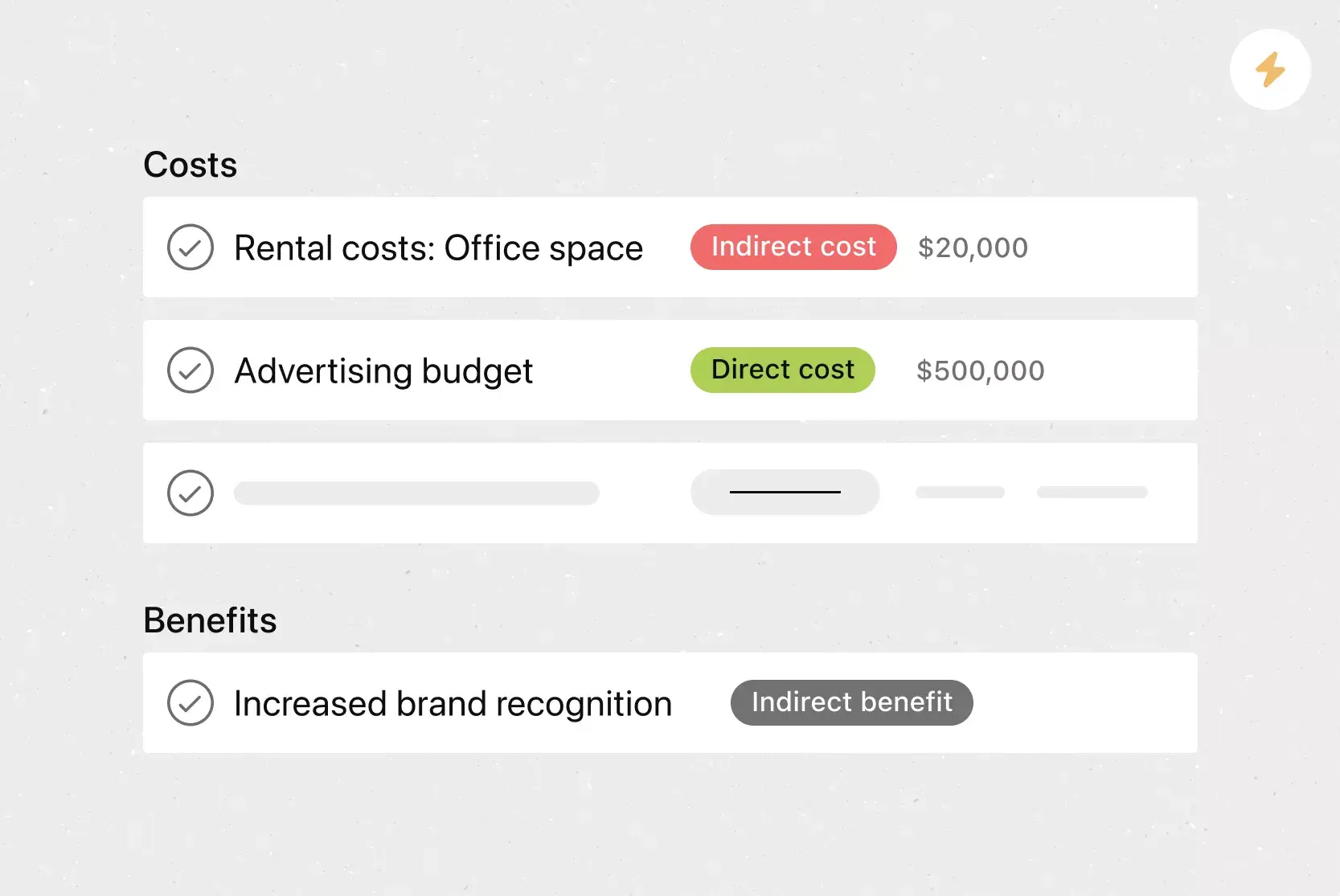
Approvals. Sometimes you don't just need to complete a task; you need to know whether a deliverable is approved. Approvals are a special type of task in Asana that allow you to "Approve," "Request changes," or "Reject" the task. That way, task owners get clear instructions on the actions they should take and whether their work has been approved.
Recommended apps
Microsoft Teams. With the Microsoft Teams + Asana integration, you can search for and share the information you need without leaving Teams. Easily connect your Teams conversations to actionable items in Asana. Plus, create, assign, and view tasks during a Teams Meeting without switching to your browser.
Hubspot. Create Asana tasks automatically using HubSpot Workflows. With HubSpot Workflows, you can use all the customer data in HubSpot CRM to create automated processes. This integration enables you to seamlessly hand off work between teams, for example, when deals or tickets close in HubSpot.
Google Workplace. Attach files directly to tasks in Asana using the Google Workspace file picker, built into the Asana task pane. Easily attach any My Drive file with just a few clicks.
Salesforce. Remove bottlenecks by enabling sales, customer success, and service teams to communicate directly with their support teams in Asana. Share attachments and create actionable, trackable tasks for pre-sales needs. With Service Cloud, connect your implementation and service teams with supporting teams in Asana to deliver amazing customer experiences.
Start building your marketing strategy today
A marketing strategy template gives your team the structure to plan with confidence and stay aligned throughout the year. When your goals, tactics, and metrics live in one place, it's easier to track progress, make quick adjustments, and keep everyone focused on the work that matters most. Ready to put your marketing strategy into action? Get started with Asana and bring your strategy, tasks, and team together in one platform.
Marketing Strategy templateFrequently asked questions about marketing strategy templates
The seven steps of marketing strategy are: define your business objectives, conduct market research, identify your target audience, analyze competitors, set marketing goals and metrics, choose your channels and tactics, and allocate budget and resources. Once your strategy is live, add an ongoing step of measuring results and adapting your approach based on performance data.
The 5 C's are company, customers, competitors, collaborators, and climate. Use them together to evaluate your business environment, from internal strengths to external market conditions, before building your strategy.
The four basic marketing strategies are often described as the 4 P's: product, price, place, and promotion. These elements form your marketing mix and help you define what you're selling, how you're pricing it, where customers can find it, and how you'll communicate its value.
Review your marketing strategy quarterly to adjust tactics based on performance, and do a comprehensive refresh at least once a year. This keeps your strategy aligned with current market conditions and shifting business priorities.
A good marketing strategy template should be readily accessible by your entire marketing team, easily usable, and customizable. It should outline information in a clear and succinct way, so that any marketing strategy created with this template is easily understood by everyone on your team.
A marketing strategy template ensures that every strategy you create includes all the essential information your team needs to carry out campaigns. It speeds up the planning process so project managers and strategists don't have to start from scratch.
Related templates



![[Templates] Product Roadmap (Card image)](https://assets.asana.biz/transform/2728edf4-eb35-4dd5-8d03-25ba8cbe5864/TG23-web-thumbnail-028-scrumban-feature-static-2x?io=transform:fill,width:2560&format=webp)




Standout marketing teams trust Asana
Learn how to create an marketing strategy template in Asana today.