


GDPR compliance checklist
Use a GDPR compliance checklist template to organize data privacy tasks, assign owners, and document required steps. It gives your team a practical way to prepare for audits, track follow-ups, and prevent compliance gaps.
Sign up to create your own template.
GDPR compliance checklist
Use a GDPR compliance checklist template to organize data privacy tasks, assign owners, and document required steps. It gives your team a practical way to prepare for audits, track follow-ups, and prevent compliance gaps.
Create your templateSign up to create your own template.
INTEGRATED FEATURES
Recommended apps




Summary
When it comes to handling personal data, even one mistake can lead to major consequences. From legal penalties to loss of public trust, non-compliance with the General Data Protection Regulation (GDPR) can affect businesses of any size. If your team is struggling to understand what counts as "personal data," how to process it lawfully, or what to do when a data breach occurs, a GDPR compliance checklist helps you manage every requirement in one secure workspace.
In this article, you'll learn what GDPR is, who needs to comply, what penalties look like, and how to put a step-by-step checklist into action. Whether you need to track data protection impact assessments (DPIAs), data subject rights, or breach notifications, this GDPR template simplifies complex compliance rules for US companies and international organizations alike.
What is GDPR?
The General Data Protection Regulation (GDPR) is a data privacy law adopted by the European Union in 2016 and enforced since May 25, 2018, that governs how organizations collect, store, process, and share the personal data of individuals within the EU and European Economic Area (EEA). It applies to any organization that handles EU residents'data, regardless of where that organization is headquartered. With cumulative fines now exceeding €7.1 billion, GDPR remains one of the most actively enforced data protection frameworks in the world.
GDPR is built on several core principles that shape how your team handles personal data:
Lawfulness, fairness, and transparency: You must have a valid legal basis for processing data and clearly communicate how it's used.
Purpose limitation: Data can only be collected for specific, stated purposes.
Data minimization: Only collect the data you actually need.
Accuracy: Keep personal data up to date and correct inaccuracies promptly.
Storage limitation: Don't retain data longer than necessary.
Integrity and confidentiality: Protect data with appropriate security measures.
Accountability: Your organization must demonstrate compliance with all of the above.
Who needs to comply with GDPR?
GDPR applies to a broader range of organizations than many teams realize. Understanding whether the regulation covers your business is the first step toward compliance.
You need to comply with GDPR if your organization falls into any of these categories:
EU-based organizations: Any company, nonprofit, or government body established in the EU that processes personal data, regardless of where the processing takes place.
Non-EU companies targeting EU residents: If your US or international business offers goods or services to people in the EU, or monitors their behavior (such as tracking website activity), GDPR applies.
Data controllers and data processors: Controllers determine the purpose and means of processing personal data, while processors handle data on behalf of a controller. Both carry compliance obligations under GDPR.
Small businesses: GDPR does not exempt small organizations. If you process personal data from EU residents, you're subject to its requirements.
GDPR penalties and consequences
Non-compliance with GDPR carries serious financial and reputational risks. Understanding what's at stake helps your team prioritize compliance efforts and secure buy-in from leadership.
Lower-tier penalties include fines of up to €10 million or 2% of annual global turnover, whichever is higher. They can apply to record-keeping violations, missing data processing agreements, or failure to notify of a breach.
Upper-tier penalties include fines of up to €20 million or 4% of annual global turnover, whichever is higher. They can apply to unlawful processing, failure to obtain valid consent, or failure to honor data subject rights.
Beyond fines, non-compliance can trigger enforcement actions like mandatory audits or orders to stop processing data entirely. A well-maintained GDPR compliance checklist helps you avoid these outcomes by keeping your obligations visible and actionable.
Who benefits from GDPR compliance checklists?
At Asana, we've seen how compliance checklists help teams reduce risk. From legal departments to IT and operations, compliance templates provide a shared process for everyone to maintain GDPR compliant websites.
Legal teams and data protection officers (DPOs): Use GDPR checklists to verify whether data processing activities meet lawfulness, fairness, and transparency requirements. Detailed records of processing activities help demonstrate compliance with supervisory authorities when needed.
IT and security teams: Monitor how personal data is stored and transferred, track encryption methods, and document cybersecurity and data breach response policies.
Operations and compliance managers: Coordinate the implementation of privacy notices, deletion requests, security controls, and user consent. A centralized GDPR checklist helps streamline this work and avoid undue delay in legal obligations.
US companies operating in the EU: A GDPR compliance checklist for US companies makes cross-border data processing more manageable, ensuring compliance even when GDPR doesn't apply locally but does affect your customers.
Why use Asana's GDPR compliance checklist?
One of our enterprise clients needed to respond to a high-risk personal data breach across several EU regions. Thanks to their Asana-powered GDPR compliance checklist, they responded within the 72-hour deadline and documented every step for their supervisory authority. The Asana GDPR checklist template is built to support transparency, structure, and speed. It makes legal and operational collaboration easy, while reducing non-compliance risk.
Benefits of this checklist template include:
Organize your data collection and processing activities by legal basis
Document DPIAs and data transfers in one secure workspace
Assign ownership for notifications, requests, and assessments
Centralize GDPR website compliance checklist tasks (like cookie notices)
Coordinate GDPR email compliance checklist steps with marketing teams
How to use a GDPR compliance checklist
This checklist is organized into sections that match GDPR requirements, from data governance to security policies. Each section allows you to assign tasks, set due dates, and evaluate risk levels to keep your teams GDPR compliant at every stage.
Step 1: Governance and accountability
Start by defining who is responsible for GDPR compliance in your organization. Assign a Data Protection Officer (DPO) or internal lead to track accountability, respond to supervisory authorities, and maintain records of processing activities.
You can also use this section to document internal data protection policies, training logs, and internal audits. Include any risk ratings or legal obligations that apply to your business as a public authority or private entity under applicable data protection laws.
Step 2: Lawful processing
Add tasks to define the lawful basis for each processing activity. Under Article 6 of GDPR, there are six lawful bases for processing personal data:
Consent: The individual has given clear, informed consent for a specific purpose.
Contract: Processing is necessary to fulfill or enter into a contract with the individual.
Legal obligation: Processing is required to comply with the law.
Vital interests: Processing is necessary to protect someone's life.
Public task: Processing is needed to perform a task in the public interest or for official functions.
Legitimate interests: Processing is necessary for your organization's legitimate interests, provided they don't override the individual's rights.
Include task fields to record categories of personal data, the intended use (purpose limitation), and retention periods (storage limitation). Defining these helps you avoid non-compliance and reassure data protection authorities that you're managing personal data adequately.
Step 3: Data subject rights
Create tasks to manage each of the following data subject rights, and assign owners to ensure no request goes unanswered or is delayed:
Right of access: Individuals can request a copy of the personal data you hold about them.
Right to rectification: Individuals can ask you to correct inaccurate data.
Right to erasure: Also known as the "right to be forgotten," individuals can request deletion of their data.
Right to restrict processing: Individuals can request that you limit how their data is used.
Right to data portability: Individuals can request their data in a format that allows transfer to another provider.
Right to object: Individuals can object to processing based on legitimate interests or direct marketing.
You can use the Compliance Risk Level column to highlight high-risk rights issues, like automated decision-making or profiling. This step is crucial when GDPR applies to your global user base.
Step 4: Security and breaches
This section of the GDPR template tracks how you implement your security policy and data breach response plans. Create tasks for incident detection, impact assessment, and your notification procedures.
You should also log technical safeguards like encryption or multi-factor authentication. Include guidance on handling data breaches that involve special categories of data or identifiers like IP addresses.
Step 5: Third parties and transfers
Use this section to track all vendors and data processors that handle your customer data. Key tasks include:
Data Processing Agreements (DPAs): Collect and store signed DPAs from every vendor and document their compliance with GDPR.
International data transfers: Flag any transfers outside the European Union and define safeguards such as Standard Contractual Clauses (SCCs).
Public authority requests: Track any data access requests from government or regulatory bodies.
Step 6: Privacy by design and default
Create tasks that enforce your data protection by design and default policies across systems and product workflows. This might include limiting access to sensitive data or applying pseudonymization techniques.
Document design reviews, internal GDPR audits, and legal reviews for large-scale processing initiatives. This section reinforces your organization's commitment to meeting GDPR requirements at every stage, not just responding to issues after they arise.
Asana documentation features
If you're looking for a GDPR compliance checklist template for your website or email marketing, Asana features help you customize this template for any team, industry, or use case. We've included a few of our favorite compliance features below, but review the complete list of Asana features for even more inspiration.
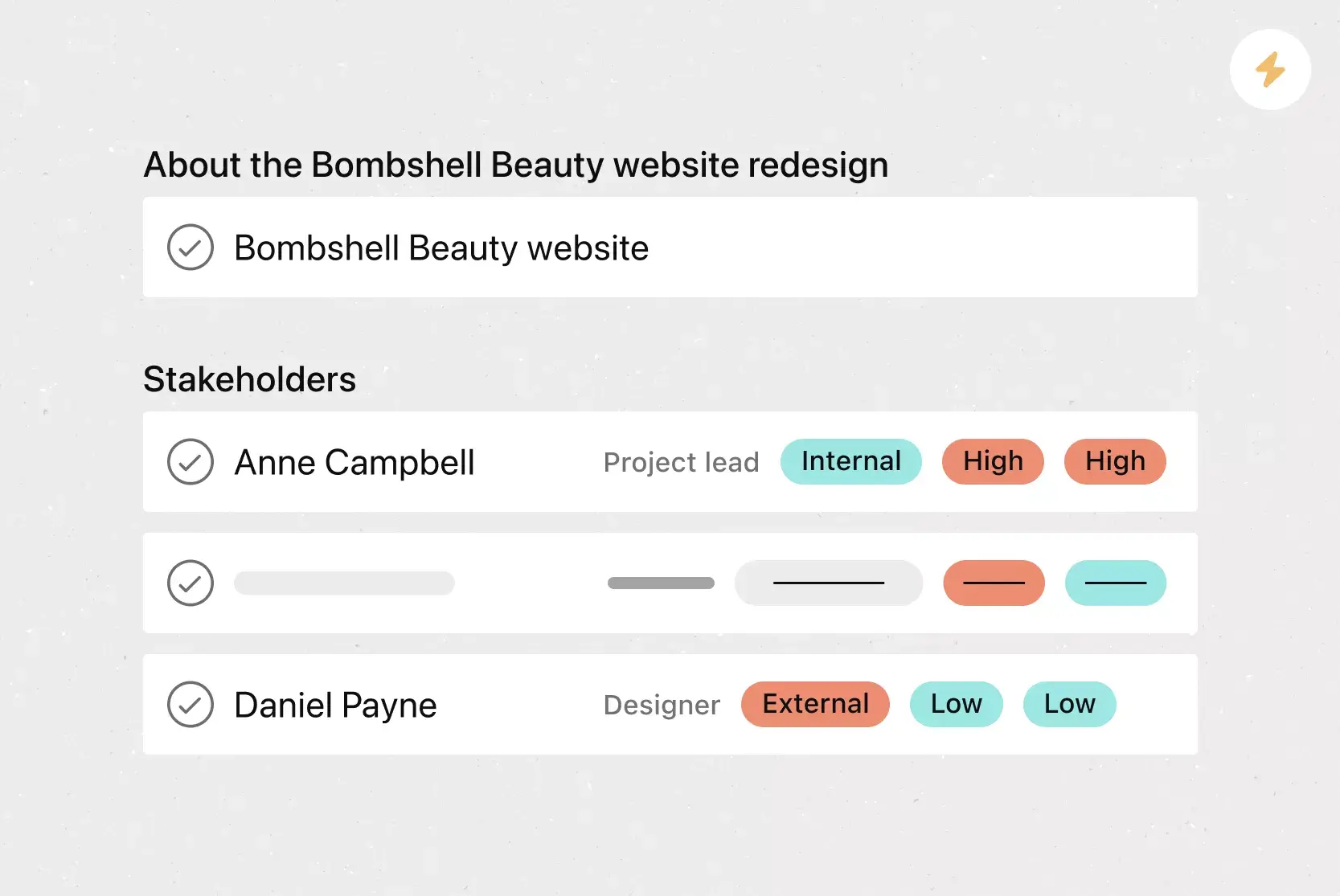
Track categories of personal data, risk levels, processing locations, or DPIA status with custom dropdowns or tags. You can sort compliance work based on urgency or type of processing activity.
Create automations for recurring GDPR tasks, like setting reminders for annual privacy policy reviews or notifying your DPO when a high-risk activity is added.
Build workflows for legal sign-off, from privacy notices to data transfers. You can assign approvers and track approval history for accountability.
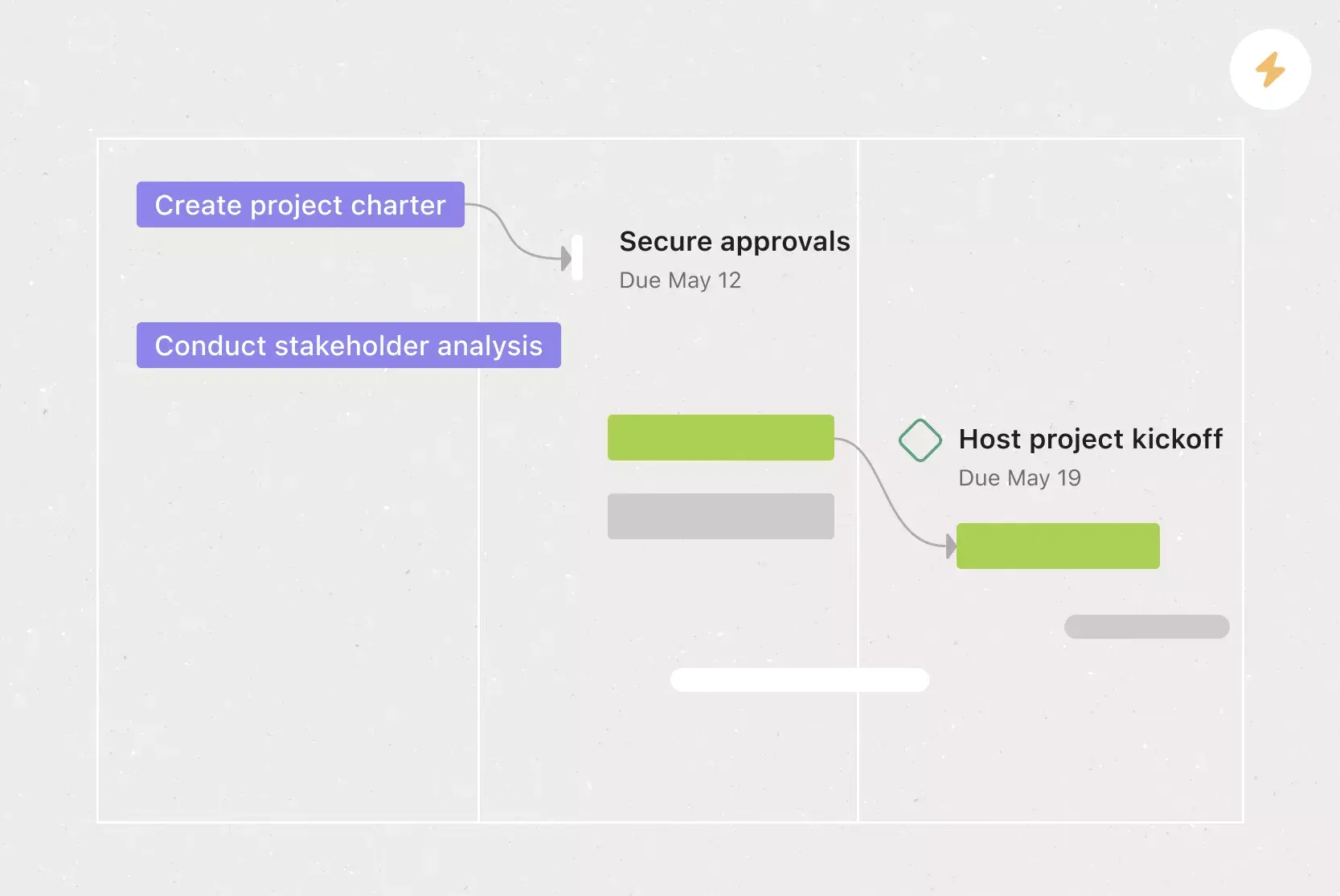
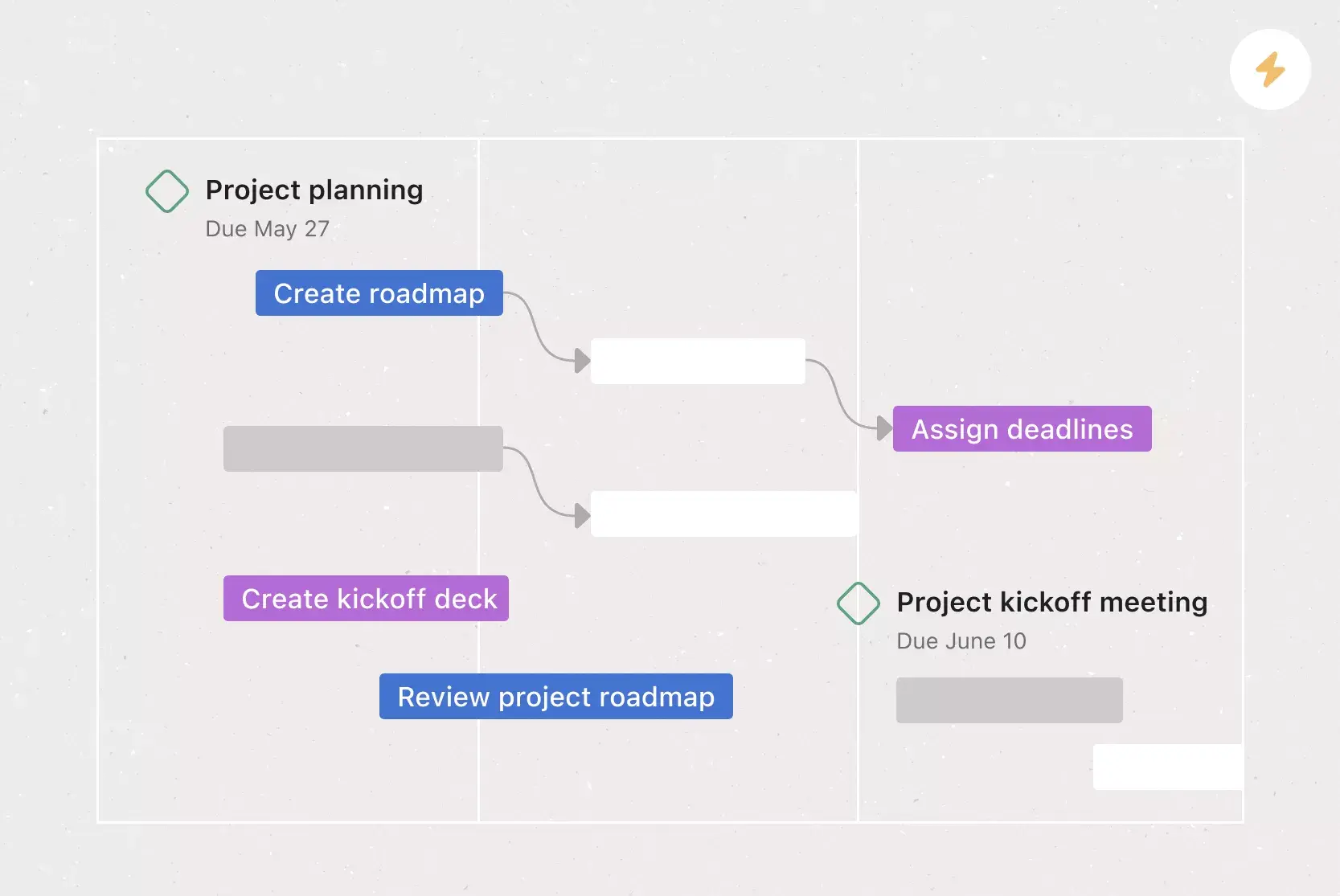
Visualize GDPR compliance projects like data flow audits or breach simulations using a Gantt-style timeline. This view helps you spot and fix bottlenecks early.
Store DPAs, privacy statements, and audit documentation in one place. Link files directly to each checklist item for easy retrieval.
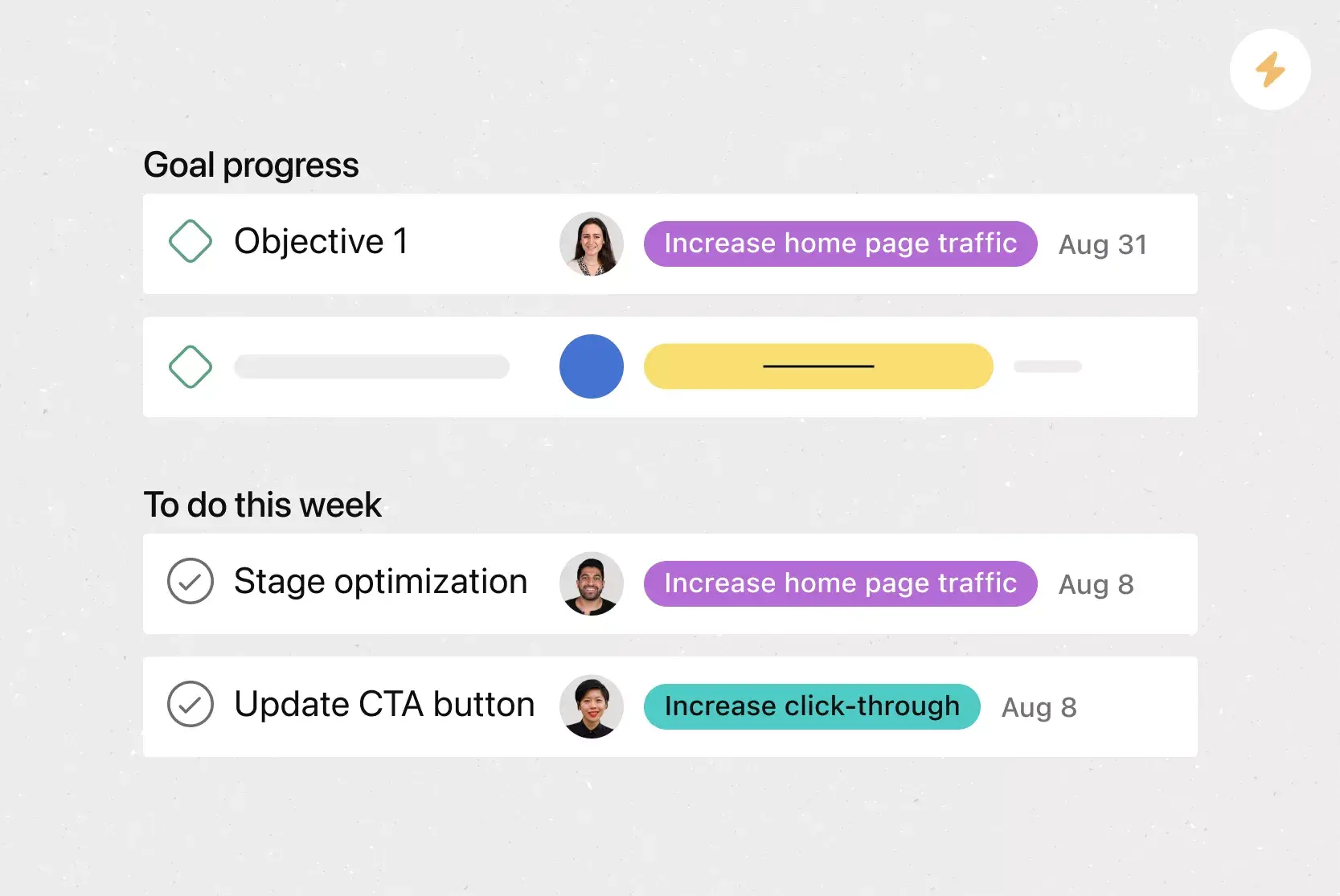
Monitor GDPR readiness across multiple departments or regions by grouping projects into a portfolio view. Use dashboards to report on completion progress and risks.
Recommended integrations
Asana integrations connect your GDPR compliance checklist template to the tools you already rely on. Visit our app integration hub to find the platforms your team uses regularly.
Attach data protection policies, privacy notices, and audit evidence directly to tasks from Drive.
Send automated alerts for rights requests or breach response tasks to your Slack channels.
Log GDPR-related technical remediation tasks directly in Jira.
Schedule DPIA review meetings, DPO consultations, or incident response simulations with embedded Zoom links in tasks.
For teams facing litigation or audit risks, Hanzo helps securely capture and archive Asana activity related to GDPR documentation and workflows.
Simplify GDPR compliance with Asana
GDPR compliance doesn't have to feel overwhelming. With a clear checklist, defined ownership, and the right tools, your team can stay on top of every requirement, from lawful processing and data subject rights to breach response and vendor management.
Asana brings your compliance tasks, documentation, and cross-functional collaboration into one workspace so nothing falls through the cracks. Whether you're building your GDPR program from scratch or strengthening an existing one, a structured checklist keeps your team aligned and audit-ready. Get started and put your GDPR compliance checklist into action today.
FAQs about GDPR compliance checklists
A GDPR compliance checklist is a structured tool used to track legal obligations under the General Data Protection Regulation. It helps organizations record data processing activities, assign compliance tasks, and manage risks related to personal data breaches and user rights.
Yes, if your US-based business collects or processes personal data from EU citizens, GDPR still applies. A GDPR compliance checklist for US companies ensures you meet notification, consent, and data transfer requirements under European data privacy laws.
Your checklist should include cookie consent banners, up-to-date privacy notices, well-defined data collection policies, and opt-in options. These elements ensure transparency and lawfulness in how you process visitor data and individual rights.
A checklist helps verify that all email marketing follows GDPR standards, such as obtaining explicit consent, honoring unsubscribe requests, and documenting the legal basis for contact. It reduces the risk of non-compliance in outbound communication.
GDPR fines can reach up to €20 million or 4% of an organization's annual global turnover, whichever is higher. Supervisory authorities can also issue warnings, halt data processing, or order data deletion.
Related templates
![[Templates] Event planning (Card image)](https://assets.asana.biz/transform/78e1727d-905a-4ee5-baa6-9dd141f5a3c6/Template_EventPlan_Thumb?io=transform:fill,width:2560&format=webp)
![[Templates] Cross Functional Project Plan (Card image)](https://assets.asana.biz/transform/60887a05-0b92-49c2-a6e7-f1ace41c5596/TG23-web-thumbnail-041-editorial-resource-management-static-2x?io=transform:fill,width:2560&format=webp)
![[Templates] Request tracking workflow template (card image)](https://assets.asana.biz/transform/c871372a-ce51-44f4-b586-0f6da7063706/Template_RequestTrack_Thumb?io=transform:fill,width:2560&format=webp)
Create templates with Asana
Learn how to create a customizable template in Asana. Get started today.