


Free Call Log Template
Track every call, organize notes, and never miss a follow-up with a reusable template you can build in a spreadsheet or Asana.
Sign up to create your own template.
Free Call Log Template
Track every call, organize notes, and never miss a follow-up with a reusable template you can build in a spreadsheet or Asana.
Create your templateSign up to create your own template.
INTEGRATED FEATURES
Recommended apps




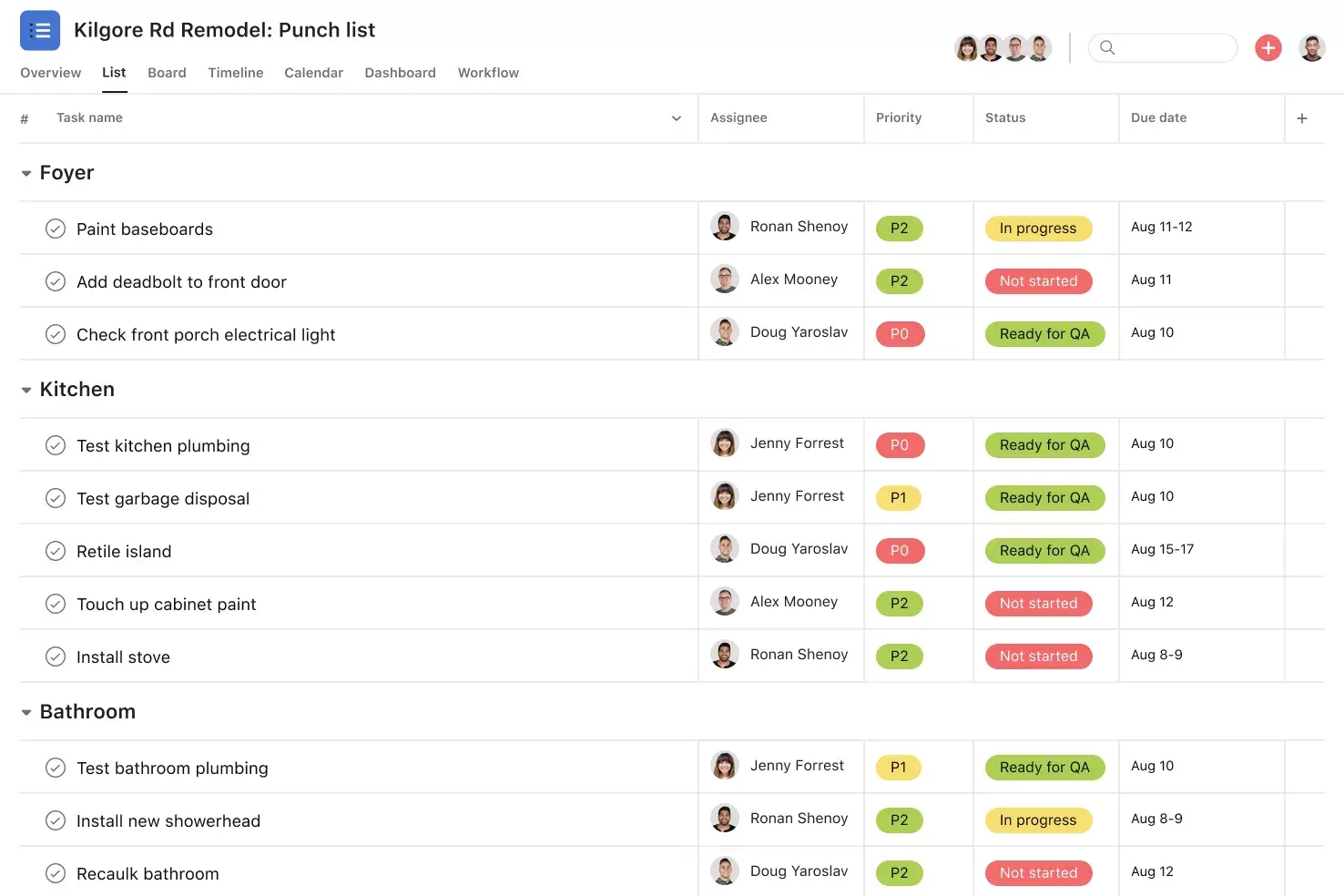
![[Product ui] Call log project in Asana, spreadsheet-style project view (List)](https://assets.asana.biz/transform/f389fde3-3d6c-42ac-86d0-dfe4ebd5cbd2/TG23-web-hero-021-call-log-static-2x?io=transform:fill,width:2560&format=webp)
Summary
If you spend a lot of your day on the phone, you know how hard it can be to take detailed call notes and keep them organized. From cold calling potential clients to following up on sales inquiries and building new client relationships, a lot of business happens over the phone. Losing track of your notes or not being able to read your own handwriting can feel like a real setback.
Luckily, call log templates can help. These duplicatable logs help you track your daily calls, including who you spoke with and any action items that resulted from the conversation, so you never have to worry about losing your call notes again. In this article, you'll learn what call logging is, what makes a good call log template, what to include in yours, and how to create one from scratch.
What is call logging?
Call logging is the practice of recording details about incoming and outgoing phone calls, including the caller's name, date and time, purpose of the call, and any follow-up actions needed. Sales teams, telemarketers, and customer service representatives use call logs most often, but any team that communicates by phone can benefit from keeping a structured record.
Usually, you'll record the call's origin, date, start and end times, purpose, and any resulting notes or action items. That way, you know exactly what you talked about and what to do next.
What is a call log template?
A call log template is a reusable, pre-formatted version of a call log. The structure stays the same each time you use it, so you spend less time setting up and more time logging the details that matter.
The best part? Creating an editable call log template in a project management tool eliminates the risk of misplacing or misinterpreting your call notes. A digital call log lets you see important context, like the call's purpose, next steps, and notes, at a glance.
With a digital call log template, you can:
See all of your call notes in one place
Keep track of call-related client information
Monitor call outcomes, such as how many cold calls convert to customers
View any action items that come out of calls, like which customers requested more information or require a follow-up
Enhance your client relationship management (CRM) practices
Attach relevant documents like Google Docs or Google Sheets to call notes
Build customer relationships and anticipate customer needs by reviewing call logs to see what clients often call and why
Gain a better understanding of team performance and marketing campaign effectiveness by monitoring call details like call duration and conversion rate
Common types of call log templates
While any team looking to streamline and standardize their call logging and note-taking processes can benefit from call log templates, there are a few common use cases for call logs, including:
Sales call log template: Log information and outcomes related to sales calls, including the name and company of the prospective client, the call's purpose, and if the potential customer requires a follow-up.
Existing client call log template: Track incoming and outgoing calls to current clients to easily monitor and build customer relationships.
Healthcare or patient call log template: Note patient information, including the patient's doctor, symptoms, any instructions given, and whether they need a follow-up with their physician.
Daily or weekly call log template: Record your daily or weekly incoming and outgoing calls to monitor your client relationships or sales.
Customer service or support call log template: Track information about incoming support or service calls, including who initiated the call and the service needed.
What makes a good call log template
A good call log template makes it easy to record call details quickly and find information later without extra effort. Here are the key qualities to look for:
A well-structured layout: The template should have a simple, organized layout with clearly labeled sections. This makes it easy to scan for information at a glance, whether you're looking for a specific caller or reviewing last week's notes.
Comprehensive data capture: Your template should include fields for all the details that matter to your team, from basic contact information to call purpose, follow-up actions, and notes. A template that captures the right data helps you avoid gaps in your records.
Flexibility and customization: Different teams have different needs. A good call log template lets you add, remove, or modify fields to fit your specific use case, whether you're in sales, customer service, or healthcare.
Easy sharing and accessibility: Your call log should be easy to share with your team and accessible from anywhere. Digital templates stored in a project management tool are ideal because multiple team members can view and update the log in real time.
Room for action items: The best call log templates go beyond recording what happened. They also help you track next steps, such as follow-ups, callbacks, or tasks that arose from the conversation.
What should you include in a call log template?
A good call log template captures the right details quickly so you can move on to more important tasks, like making a sale. Here's what to include:
Caller or recipient name: Identifies who you spoke with
Company: Provides business context for the call
Contact information: Makes it easy to follow up by phone or email
Date and time: Creates a timeline of communication
Call duration: Helps track time spent on calls
Call purpose: Gives quick context without re-reading notes
Follow-up needed (yes/no): Ensures no next steps fall through the cracks
Notes and action items: Captures key takeaways and tasks
Integrated features
Custom fields. Custom fields are the best way to tag, sort, and filter work. Create custom fields for any information you need to track, from priority and status to email addresses and phone numbers. Use custom fields to sort and schedule your to-dos so you know what to work on first.
List View. List View is a grid-style view that lets you see all your project's information at a glance. Like a to-do list or a spreadsheet, List View displays all your tasks at once so you can not only see task titles and due dates, but also view any relevant custom fields, such as Priority, Status, and more. Unlock effortless collaboration by giving your entire team visibility into who's doing what by when.
Automation. Automate manual work so your team spends less time on the busywork and more time on the tasks you hired them for. Rules in Asana function on a basis of triggers and actions, essentially "when X happens, do Y." Use Rules to automatically assign work, adjust due dates, set custom fields, notify stakeholders, and more.
Subtasks. Sometimes a to-do is too big to fit into a single task. If a task has more than one contributor, a broad due date, or stakeholders who need to review and approve before it can go live, subtasks can help. Subtasks are a powerful way to distribute work and split tasks into individual components, while keeping the small to-dos connected to the overarching context of the parent task.
Recommended apps
Dropbox. Attach files directly to tasks in Asana using the Dropbox file chooser, built into the Asana task pane.
Google Workplace. Attach files directly to tasks in Asana using the Google Workspace file picker, built into the Asana task pane. Easily attach any My Drive file with just a few clicks.
Gmail. With the Asana for Gmail integration, you can create Asana tasks directly from your Gmail inbox. Any tasks you create from Gmail will automatically include the context from your email, so you never miss a beat.
Slack. Turn ideas, work requests, and action items from Slack into Asana tasks and comments that are trackable. Go from quick questions and action items to tasks with assignees and due dates.
How to create a call log template
You can build a call log template in a spreadsheet or a work management platform. Here's how to get started with each.
Create a call log templateCreate a call log in a spreadsheet
If you prefer working in Google Sheets or Microsoft Excel, start by opening a new spreadsheet. Then, add column headers for each piece of information you want to track. Common headers include:
Date
Time
Caller name
Phone number
Company
Call purpose
Call duration
Follow-up needed (yes/no)
Notes
Once your headers are in place, format your columns so they're easy to read and fill in. You can then duplicate the sheet for each new day, week, or reporting period.
Create a call log in a work management platform
For teams that need to share call logs, track follow-ups, and connect call notes to broader projects, a work management platform like Asana offers more flexibility than a spreadsheet. You can set up a project with custom fields for each call detail, assign follow-up tasks to team members, and automate recurring steps. Once your template project is built, duplicate it whenever you need a fresh log.
Tips for better call logging
Having a call log template is a great first step, but how you use it makes all the difference. Here are a few tips to help you and your team get the most out of call logging:
Use your template consistently: Standardize your call-tracking practices by using the same template across your team. When everyone logs calls in the same way, it's easier to find information, spot trends, and hand off accounts.
Log calls as they happen: Don't wait until the end of the day to fill in your call log. The sooner you record details, the more accurate your notes will be.
Verify your details: Client and customer information can change quickly. Double-check names, phone numbers, and other contact details regularly to keep your records up to date.
Review your logs regularly: Set aside time each week or month to review your call logs. Look for patterns in call volume, common customer questions, or follow-ups that slipped through the cracks.
Keep your template accessible: Store your call log in a place where everyone on your team can find and update it. A shared digital template makes collaboration easy and ensures no call notes get lost.
Manage your calls with Asana
A well-organized call log helps you stay on top of client communication, track follow-ups, and keep your team aligned. When your call log lives in a work management platform, it becomes even more powerful. You can connect call notes to projects, automate follow-up tasks, and give your entire team visibility into client interactions.
Ready to get your calls organized? Get started with a free call log template in Asana and keep every conversation, action item, and follow-up in one place.
Create a call log templateFAQs about call log templates
A call log template can help standardize your call logging process and give you quick, easy access to call notes. Whether you're hoping to make a sale, build client relationships, or improve client management, call log templates can help.
Fill in the template fields each time you make or receive a call, then duplicate the template for each new day or reporting period. Share it with your team so everyone logs notes in the same place.
Call log templates are especially useful for teams in sales, telemarketing, healthcare, home services, and customer support. That said, any team that communicates with clients by phone can use a call log to stay organized and build stronger relationships.
A call log template gives your team a consistent way to record and access call notes, so nothing gets lost. It also helps you track client interactions over time, which improves follow-ups and strengthens relationships.
Open a new spreadsheet, add column headers for the details you want to track (date, caller name, purpose, notes), and save the file as a reusable template. For a more collaborative option, build your call log in a work management tool like Asana.
Related templates
![[Templates] Post-Sales Handoff (Card image)](https://assets.asana.biz/transform/f9fa4005-1bcf-43d0-b78a-55f8f84c3569/TG23-web-thumbnail-026-kickoff-meeting-static-2x?io=transform:fill,width:2560&format=webp)
![[Templates] Pre-Sales Deal Support (Card image)](https://assets.asana.biz/transform/387f7b65-031c-4b14-a9bf-02261d8f8029/TG23-web-thumbnail-021-call-log-static-2x?io=transform:fill,width:2560&format=webp)
![[Templates] Simple CRM (Card image)](https://assets.asana.biz/transform/680c5921-a7f6-4b0f-855e-89ceb6657207/uses-project-management-product-ui-list-accounts-en-1x?io=transform:fill,width:2560&format=webp)
![[Templates] Customer Implementation (Card image)](https://assets.asana.biz/transform/cfd847a5-e5cd-4323-bf07-40f7c1785619/article-business-strategy-organizational-change-2x?io=transform:fill,width:2560&format=webp)
Create a call log template with Asana
See how a call log template can standardize your call logging process.