Requirements gathering: 6 steps for project success

85 % des entreprises classées au palmarès Fortune 100 font confiance à Asana¹



Summary
Requirements gathering may seem self-explanatory, but it rarely receives the full attention it deserves. Like stretching before exercising or brushing your teeth before bed, it's a simple task that often gets overlooked. But ignoring these seemingly straightforward things can lead to injuries, cavities, or, in project management, project risks.
In this piece, we'll outline the requirements-gathering process and explain how taking time to focus on it can lead to successful project outcomes.
What is requirements gathering in project management?
Requirements gathering is the process of identifying, documenting, and managing all the requirements needed to complete a project successfully. It typically occurs during the project initiation phase, often as part of the project brief or kick-off meeting, and continues throughout the project timeline.
During requirements gathering, you'll answer key questions such as:
How long will our project schedule be?
Who will be involved in the project?
What risks may we face in this project?
Requirements gathering shouldn't be complex, but it's an important component of the project initiation process.
Why is requirements gathering important?
Requirements gathering is essential because it helps you prevent common project risks like running out of resources, exceeding your budget, or underestimating timelines. When you invest time in this process upfront, you set your project up for success.
There are many benefits of requirements gathering, which include:
Improves stakeholder satisfaction: When you follow an effective requirements-gathering process, you improve stakeholder satisfaction by delivering more on-target project deliverables. Your stakeholders will be happy when they know what to expect with your project.
Increases project success rate: Requirements gathering also increases your project success rate because the more prepared you are for your upcoming project, the less likely you are to encounter project risks.
Reduces project costs: Project risks can increase costs. By implementing risk mitigation strategies early, you can reduce costs and stay within budget.
Types of project requirements
Before you begin the requirements gathering process, it helps to understand the different types of requirements you'll encounter. Categorizing requirements correctly ensures nothing gets overlooked and helps your team prioritize effectively.
Business requirements vs. technical requirements
Requirement type | Definition | Example |
Business requirements | Define what your organization wants to achieve, its strategic goals, desired outcomes, and stakeholder value | Increase customer retention by 15% through a new loyalty program |
Technical requirements | Explain how the project must be built, including specifications for systems, infrastructure, security, and integrations | The loyalty program must integrate with your existing CRM platform |
Functional requirements vs. nonfunctional requirements
Requirement type | Definition | Example |
Functional requirements | Describe what a product or system should do, including specific features, behaviors, and functions | Users should be able to filter search results by date |
Nonfunctional requirements | Describe how a system should perform, including speed, security, scalability, and usability | The search function must return results within two seconds |
Understanding these distinctions helps you ask the right questions during stakeholder meetings and ensures your requirements document captures the full picture of what your project needs to succeed.
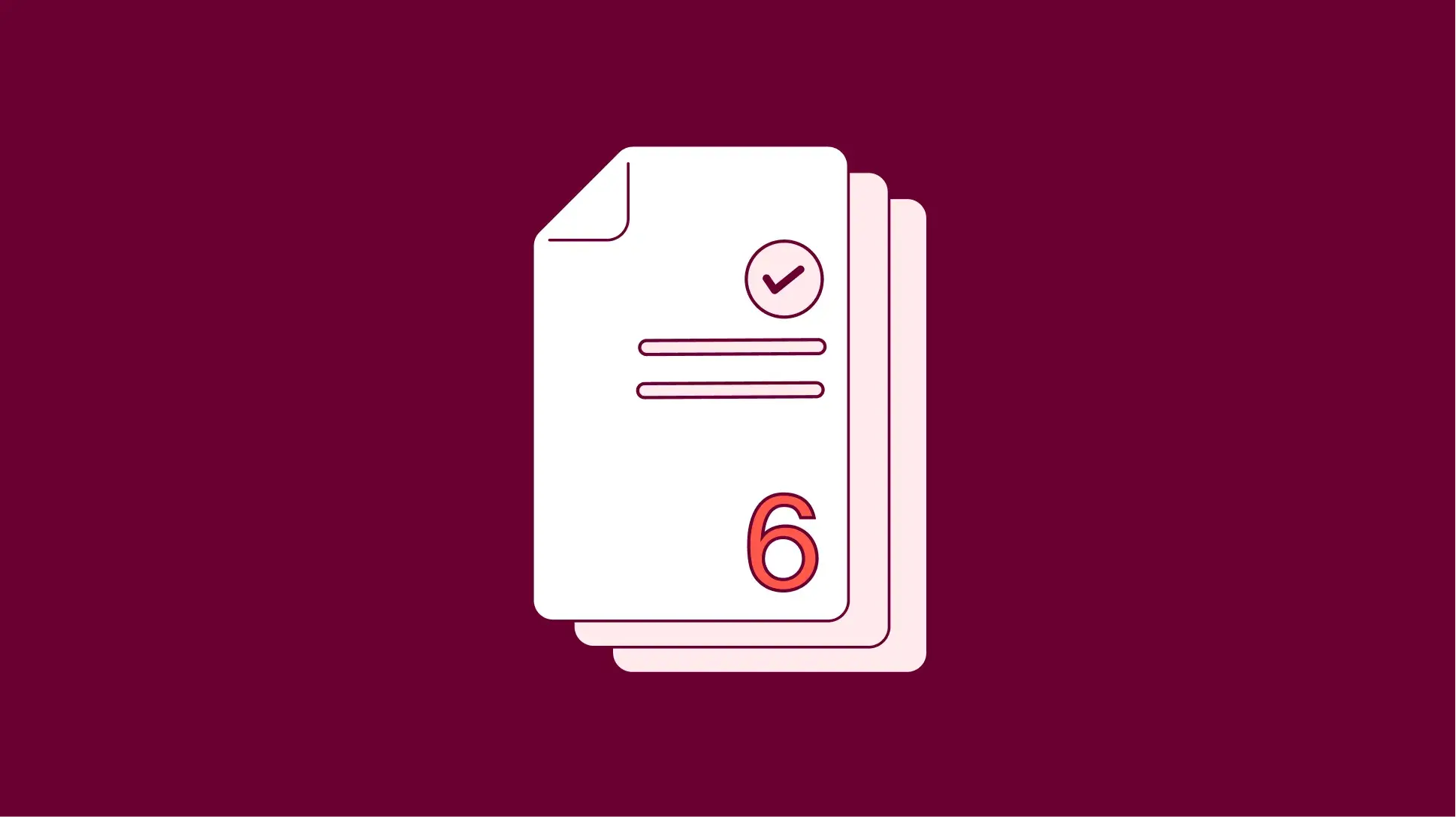
The 6-step requirements gathering process
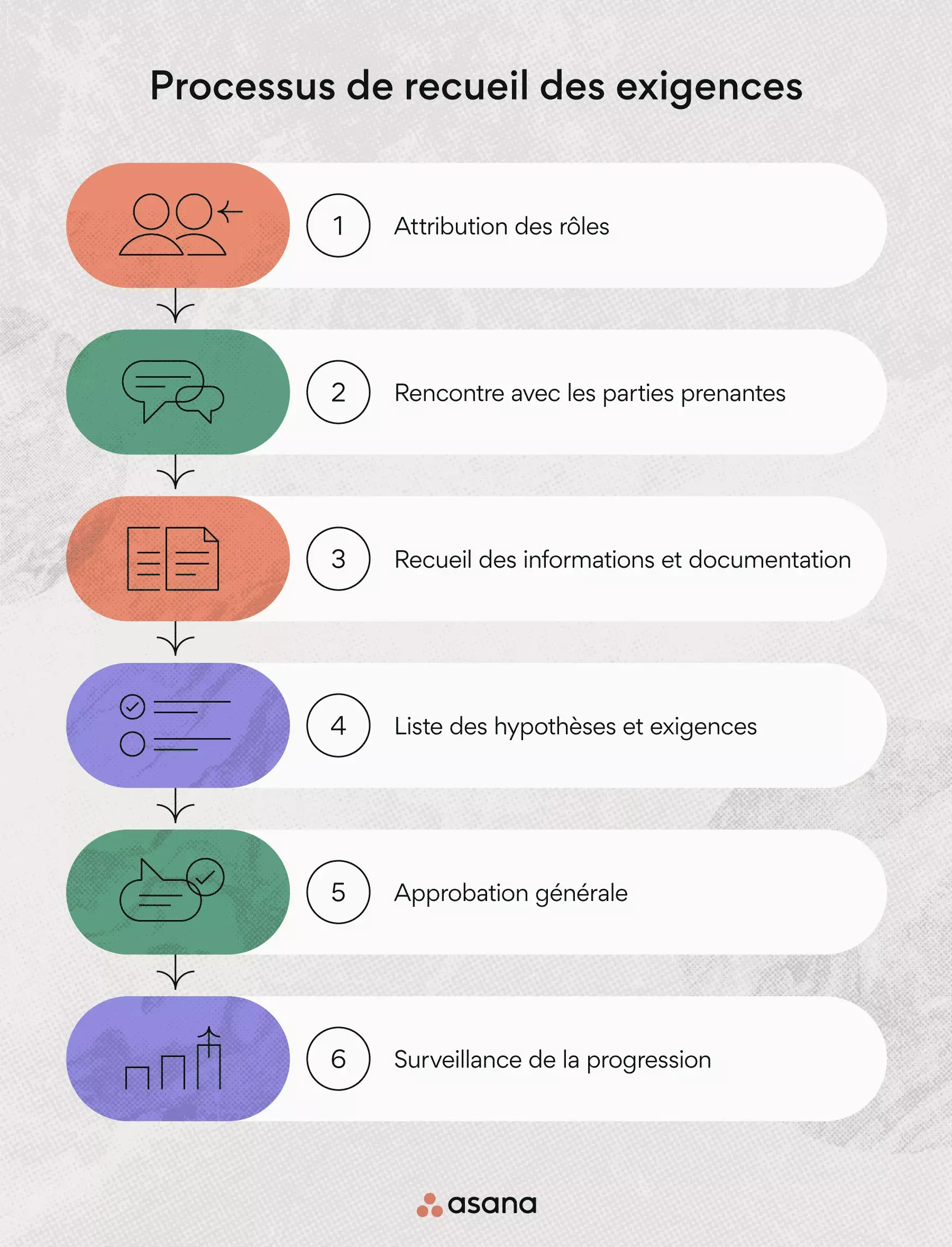
To gather your requirements, use the following six-step process. Once you're finished, you should have a comprehensive requirements document outlining the resources you need to move forward through the project phases.
Step 1: Assign roles
The first step in requirements gathering is to assign roles in your project. This is when you identify your project stakeholders. A stakeholder is anyone invested in the project, whether internal or external. Identifying these roles first helps you determine who should analyze your project scope.
Key roles to document in a stakeholder register include:
Internal stakeholders: Department managers, board members, and executives
External stakeholders: Customers, vendors, and partners
Project team: Project manager, project administrator, designers, product testers, and developers
While you may feel tempted to jump headfirst into your project and start listing everything you know you'll need, this can be a mistake. Slow down and stick to the process, and you'll have a better chance of preventing project risk.
Step 2: Meet with stakeholders
Once you've identified your project stakeholders, meet with them to understand what they're hoping to get out of the project. Understanding what stakeholders want matters because they're ultimately the ones you're creating your deliverables for.
Some questions you can ask include:
What is your goal for this project?
What do you think would make this project successful?
What are your concerns about this project?
What do you wish this product or service would do that it doesn't already?
What changes would you recommend about this project?
The stakeholders are the people you're ultimately developing the project for, so you should ask them questions that can help you create your list of requirements.
Step 3: Gather and document
Step three occurs simultaneously with step two, as you ask stakeholders questions, document everything so you have all the answers you need to start your project.
Use a project management tool to collect and document this information. That way, you can keep your project plan, project requirements, and project communication all in one place. Some examples of what you might document include:
Stakeholder answers to interview questions
Stakeholder questions
Stakeholder requests
Stakeholder comments
Questions and comments that arise during interviews
You don't have to use every answer you receive, but having everything documented can help you see all of your stakeholders' perspectives, which will help with requirements management.
Documentation is part of gathering requirements. A technical documentation template helps the team record requirements, definitions, and materials in one centralized location, so that everyone works from the same source.
Créer un modèle de lancement de projetStep 4: List assumptions and requirements
Now that you've completed the intake process, create your requirements management plan based on the information you've gathered.
Consider the questions you initially set out to answer during the requirements gathering process. Then, use them to create your requirements goals, including:
Length of project schedule: Map out your project timeline using a Gantt chart to visualize requirements that depend on project milestones. Some requirements will apply for the full duration of the project, whereas others may only apply during distinct project phases.
People involved in the project: Identify exactly which team members will be involved in your project, including how many designers, developers, or managers you'll need to execute every step. People are part of your project requirements because if you don't have the team members you need, you won't be able to complete the project on time.
Project risks: Understanding your project risks is important for identifying project requirements. Use a risk register to determine which risks are of highest priority, such as stakeholder feedback, timeline delays, and lack of budget.
Like SMART goals, your project requirements should be actionable, measurable, and quantifiable. Try to go into as much detail as possible when listing out your project budget, timeline, required resources, and team.
Step 5: Get approval
Once you formalize your project requirements, you'll need stakeholder approval to establish your project baseline and ensure you're meeting user needs. Developing a scope management plan and encouraging clear communication can prevent scope creep by ensuring that your stakeholders are aware of the project's limits from the outset. You can then proceed with your implementation plan, which may include acquiring resources and assembling a team.
Step 6: Monitor progress
The last part of the process is monitoring the progress of your project. You can use project management software to track your project budget and other requirements as you move through project execution. The benefit of project management software is that you can see changes to your project in real-time and take immediate action when things go awry.
Read: How to write a software requirement document (with template)Requirements gathering techniques
Sometimes, stakeholders won't know exactly what a project needs. When input is incomplete, use a business requirements document template to organize what you know and identify remaining gaps.
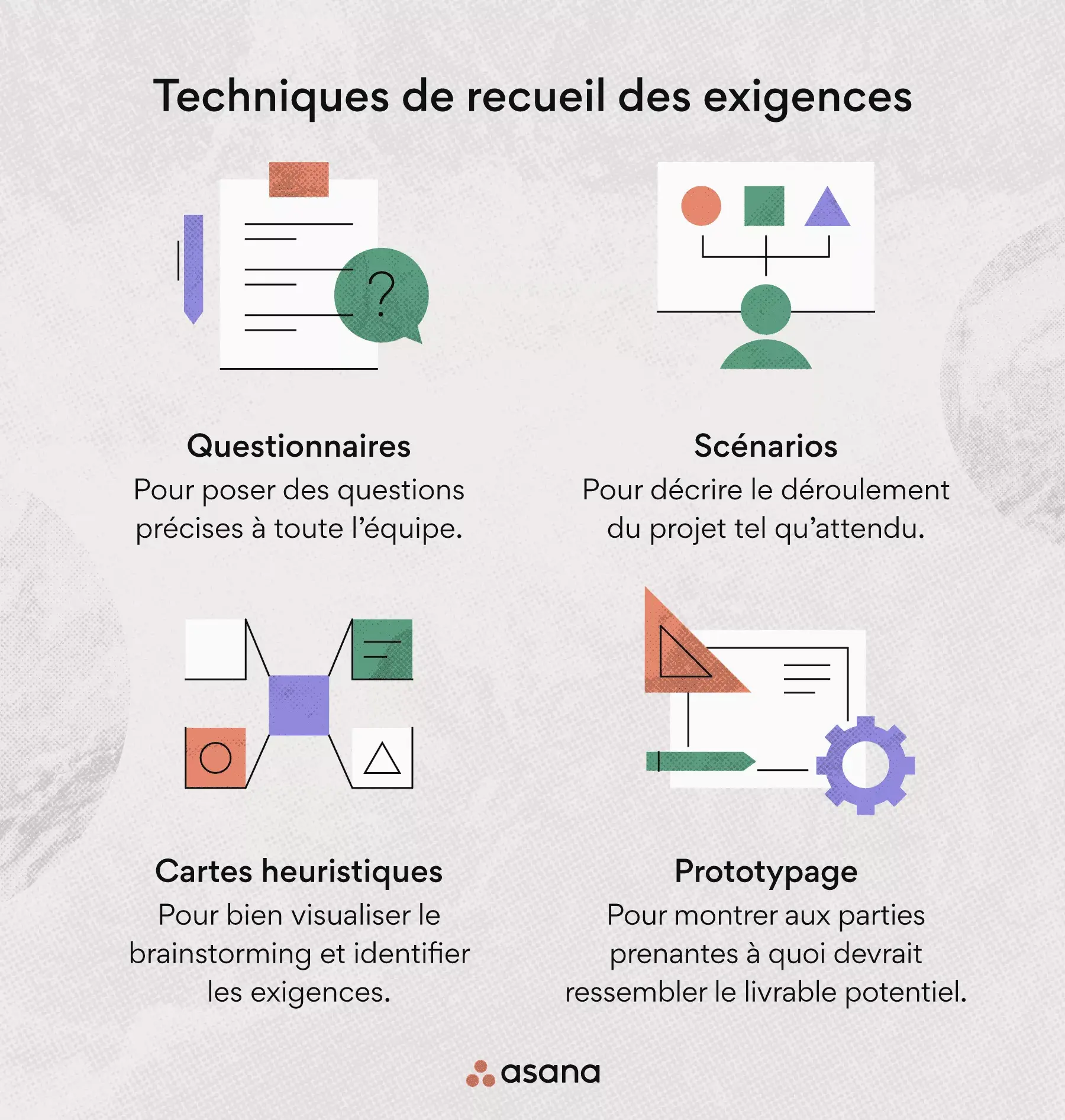
To make sure you're fully ready for the project life cycle, try these research techniques.
Questionnaires: Questionnaires can be beneficial if you need to ask stakeholders the same question across the board. Share the questionnaire with stakeholders in advance and give them time to respond to questions about project requirements. While questionnaires can be valuable for gathering requirements, they're not very effective for executive stakeholders, who may be too busy to complete them.
Use case scenarios: A use case scenario is a written description of how you think your team members will execute the project. Sharing a use case scenario gives stakeholders a clear picture of the project roadmap and planned deliverables. Stakeholders then have something to respond to if the use case doesn't meet their expectations.
Mind mapping: Mind mapping is a visual form of brainstorming that's particularly helpful for assessing what project requirements you need. In the center of your mind map, place your main project objective. In bubbles branching off from the main objective, list categories of things you need until you've captured all of your project requirements.
Prototyping: Interviewing your stakeholders may be unsuccessful if they don't know exactly what they want from the project. Try creating prototypes to show stakeholders what the potential deliverables could look like. This can help your stakeholders define what they do and don't like, so you can identify the exact requirements you need to launch the project.
If none of these techniques feel quite right, check out other online tools to help you gather information, such as an idea board, a focus group, user stories, or a decision matrix template.
Streamline requirements gathering with project management software
Requirements gathering is an important part of project planning. Whether you're interviewing stakeholders or conducting other research to compile your list of project requirements, having project management software that can hold all your information and seamlessly move it into the next phase will go a long way.
When your stakeholders and team members share access, you can communicate and collaborate from project start to finish, reducing the risk of setbacks. Get started with Asana to bring your project requirements, stakeholders, and team communication together in one place.
Créer des échéanciers avec AsanaFrequently asked questions about requirements gathering
A marketing team launching a new website might interview stakeholders to define goals (like increasing leads by 20%), document technical needs (CMS integration), and identify resource requirements (budget and team members).
Requirements gathering is also called requirements elicitation, requirements discovery, or needs assessment.
The project manager or business analyst typically leads the process, with collaborative input from stakeholders, subject matter experts, developers, designers, and end users.
For smaller projects, requirements gathering takes a few days to a week; larger initiatives may require several weeks. Investing adequate time upfront helps you avoid scope creep and costly changes later.