


為什麼計劃管理會在您擴展時崩潰
您的團隊已經能夠很好地執行自己的專案。 問題出在上一個層級,因為每個專案都必須匯聚成一個成果。

跨專案相依性在發生問題之前是不可見的
計劃依賴專案之間的交接,但這些連結只存在於某人的腦海中。 如果基礎架構工作分組延遲三天,就沒有人會注意到有兩個下游專案依賴於此,直到這些專案的期限面臨風險時才會發現。 一次延遲變成三次延遲。

計劃狀態是手動的、始終過期的彙總
領導層想知道計劃是否進度正常。 為了回答這個問題,您將每個專案的狀態匯入投影片組中,然後在下週從頭開始重新建立相同的投影片組。 您的週一審查是根據週五的資料進行的,也就是您凍結彙總的那一天。
這些正是計劃管理軟體旨在解決的問題,而這正是 Asana 所做的。

每個專案都處於孤立狀態
每個團隊都在自己的工具中執行專案。 如果沒有計劃管理工具來連結它們,您作為計劃經理,就會成為團隊之間的唯一連結。 當五個工作分組為一個發佈提供資訊,而它們的報告方式各不相同時,您就會花上好幾天的時間追蹤最新資訊。
Asana 如何作為計劃管理軟體運作
您的團隊繼續以目前的方式執行專案。 Asana 在最上方新增了計劃層級,並提供計劃管理工具,將每個人的工作連結至您可掌控的單一檢視中。
在一個專案集中查看計劃中的每個專案
在一個畫面中查看整個計劃。 專案集將所有相關專案彙整於同一處,並顯示每個專案的健康狀況、所有者、日期和最新狀態更新。 隨著團隊的工作進展,所有資訊都會保持最新狀態,您無需再手動彙整計劃檢視。

在跨專案相依性產生連鎖效應之前先行追蹤
在延誤仍是單次延誤時及時發現。 在 Asana 中,即使任務位於不同的專案中,您也可以將其連結為相依性。 在時間軸中,當日期重疊時,相依性線條會立即變成紅色,在還有時間進行修正時標記衝突。 當一個專案移動時,您會看到所有隨之移動的內容。

自動彙總計劃狀態
帶著今天的資料進入您的計劃審查。 您的專案集已顯示每個專案的最新狀態。 當您需要計劃層級的更新時,智能狀態會從即時專案資料中撰寫草稿,並標記風險和阻礙。 您可以檢查草稿,並在內容正確時發佈。


專為管理大型計劃的團隊而設計
每個部門執行計劃的方式各不相同,但當相關專案分散在不同地方時,它們都會遇到同樣的阻礙。 計劃管理軟體能將這些工作集中在一起,並讓每個團隊都能在同一計劃中進行協作。

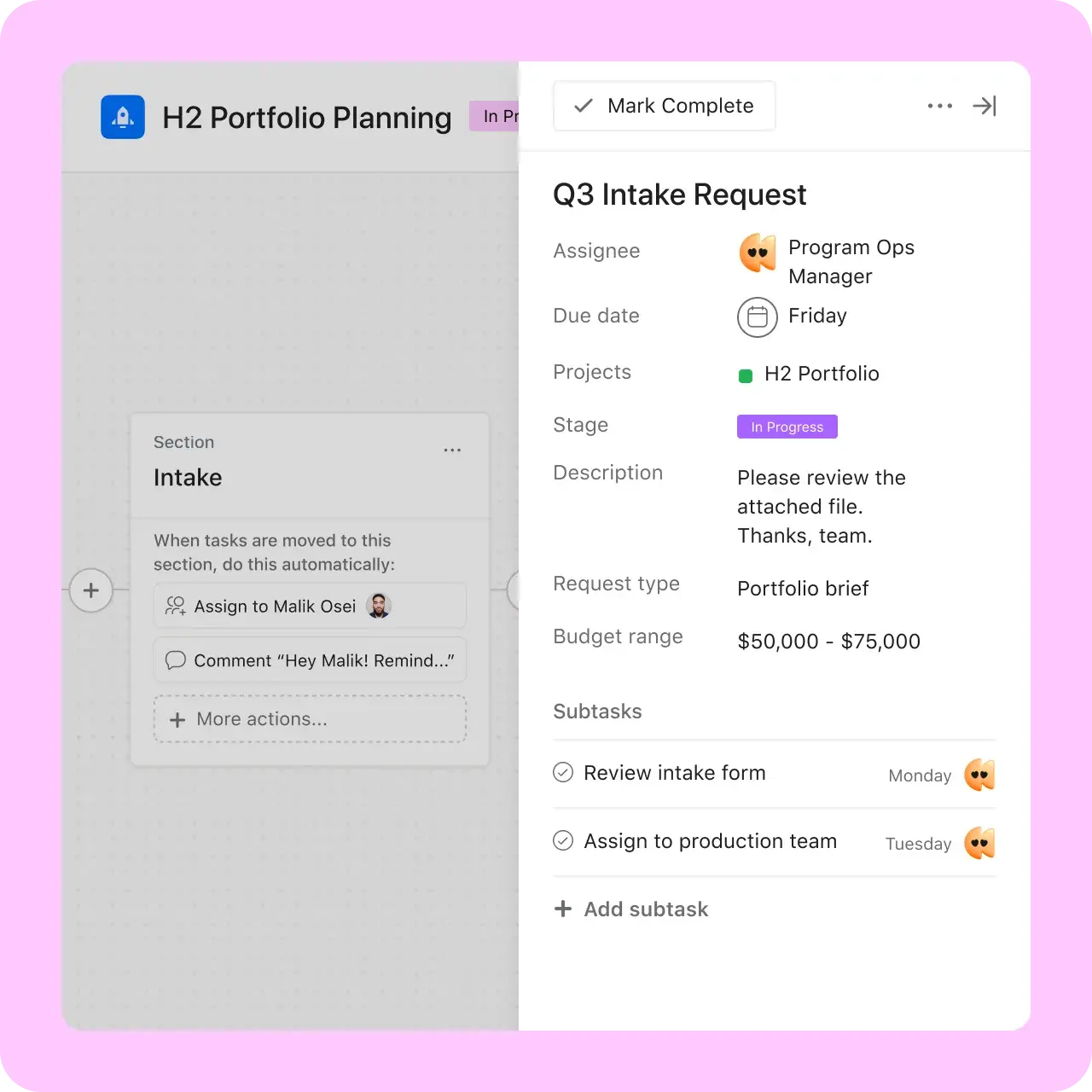



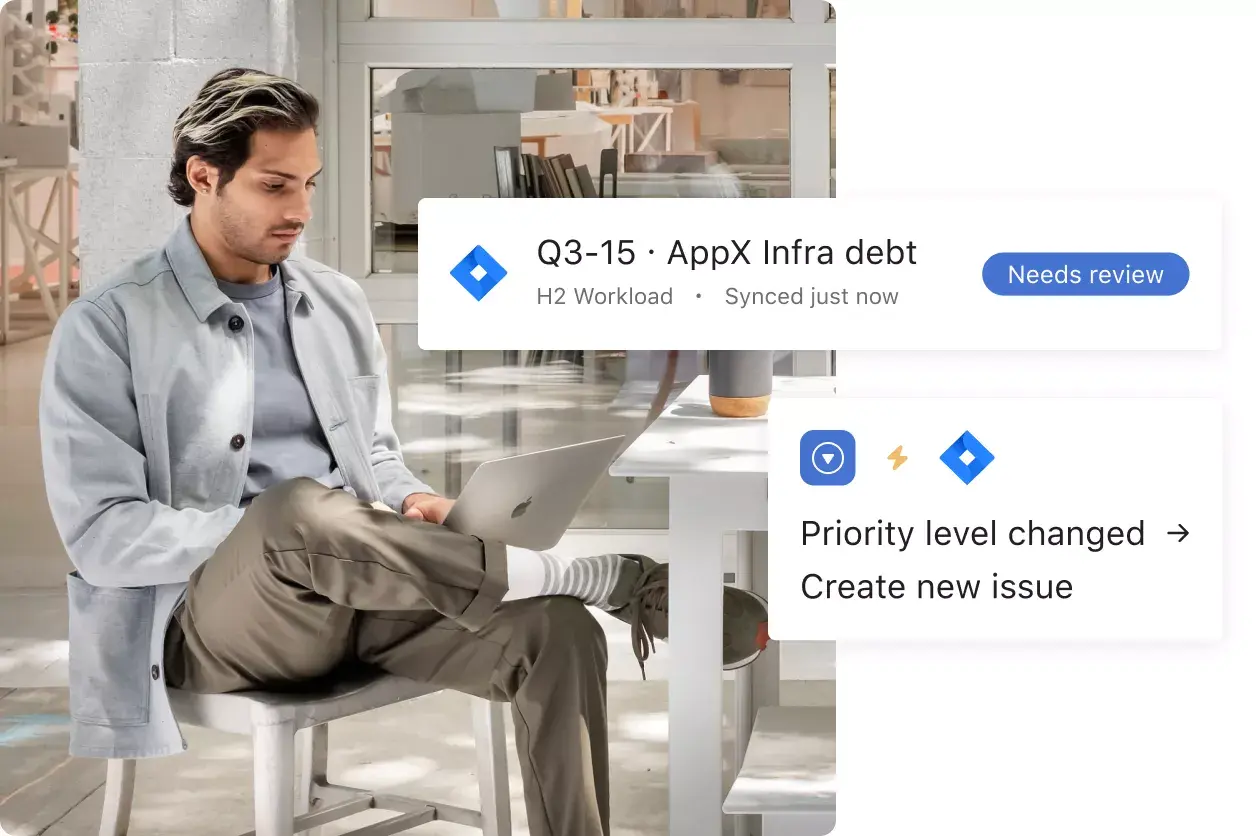
單一檢視,單一位置。
您負責整個計畫專案集,但追蹤其健康狀況意味著每週都要重新建立相同的報告。 每個計劃在 Asana 中都有自己的專案集,您可以將它們全部嵌套在一個頂層檢視中,以概覽您負責的所有內容。 每個計劃及其專案都匯集在同一處。
New Relic 的團隊透過在 Asana 中標準化流程,每年節省了 282 個工作日。
New Relic 的計劃管理辦公室在 Asana 中將大型計劃作為專案集來執行,每個專案集都包含其較小工作分組的專案。 在 16 個辦公室擁有超過 2,000 名員工的情況下,團隊現在可以在同一處位置查看跨部門的工作。


Asana 作為事實來源對我們來說意義重大…… Asana 協助我們實現了作為 PMO 的使命,即透明度、協作和可預測性。巴爾錘
New Relic 客戶解決方案中心計劃管理
Frequently asked questions about program management software
Program management software is a tool for managing several related projects that share a single business goal. It gives you a single place to track dependencies between those projects and view the program's overall status and capacity. Project tools manage the work inside a single project, while program software manages how projects connect. Asana does both.
Project management software runs a single project, from its tasks to its timeline. Program management software manages many related projects together, focusing on their dependencies and shared outcomes.
Asana handles both project and program management. Teams plan their own projects, and you manage the program above them in the same tool. Learn more about the program manager vs. project manager roles.
Look for software that handles both the big picture and the daily work, including portfolio-level visibility across all your programs. It should also connect related projects so you can track dependencies and shared resources across a program, while allowing you access to the task and timeline tools each project team actually needs day to day. Its reporting should show progress and risk at the program level, and make sure it fits how your teams already work, so adoption doesn’t become its own project.
Asana offers a free Personal plan for up to two people, built for project-level work. Program features such as Portfolios, Goals, and Portfolio Workload start on the Advanced plan, which you can try for free. Compare plans on the Asana pricing page.
Portfolios bring all related projects into a single live view, with each project's latest status right in front of you. Dependencies show how work connects across projects, and Workload shows who has room to take on more. Your teams already plan their projects in Asana, so the program view stays up to date. Link the program to Goals to keep it tied to its outcome.
Yes. Asana holds certifications including SOC 2 Type II and ISO 27001, and it supports HIPAA compliance. On the Enterprise plan, admins can manage access with SAML single sign-on and SCIM user provisioning. Find the full list of certifications in the Asana Trust Center.
Yes. Asana can coordinate programs across many enterprise teams. Portfolios, Goals, cross-project dependencies, and status roll-ups hold up for programs that span departments and thousands of employees. If you need financial portfolio modeling or formal stage-gate governance, a dedicated portfolio management tool is a better fit. Learn more in our guide to project portfolio management.
Yes, Asana connects with more than 200 apps, including Slack, Jira, Microsoft Teams, Google Drive, and Power BI. Your teams keep the tools they rely on, and you still see the whole program in Asana. Browse the full list on the integrations page.