


20 Unconscious Bias Examples at Work + How to Fix Them

L'85% delle aziende Fortune 100 sceglie Asana¹



Summary
Whether we realize it or not, our unconscious biases influence our professional lives, from the way we think to the way we interact with colleagues. Unconscious biases are mental shortcuts that aid decision-making as the brain processes millions of pieces of information per second.
That said, these biases can lead to skewed judgments and reinforce stereotypes, doing more harm than good for companies in recruitment and decision-making. It's especially important to be aware of these biases during the hiring process, as they can affect the success of your future team.
To help you recognize and combat unconscious bias in the workplace, we cover 20 examples of unconscious bias and prevention strategies. Taking the steps to reduce biases will help you improve inclusivity, trust, and productivity within your company.
What is unconscious bias?
Unconscious bias, also known as implicit bias, is a learned assumption, belief, or attitude that exists in the subconscious and influences our decisions without our awareness. These biases develop over time as we accumulate life experiences and climb the ladder of inference, getting exposed to different stereotypes, and everyone has them.
According to the Kirwan Institute for the Study of Race and Ethnicity, "These biases, which encompass both favorable and unfavorable assessments, are activated involuntarily and without an individual's awareness or intentional control."
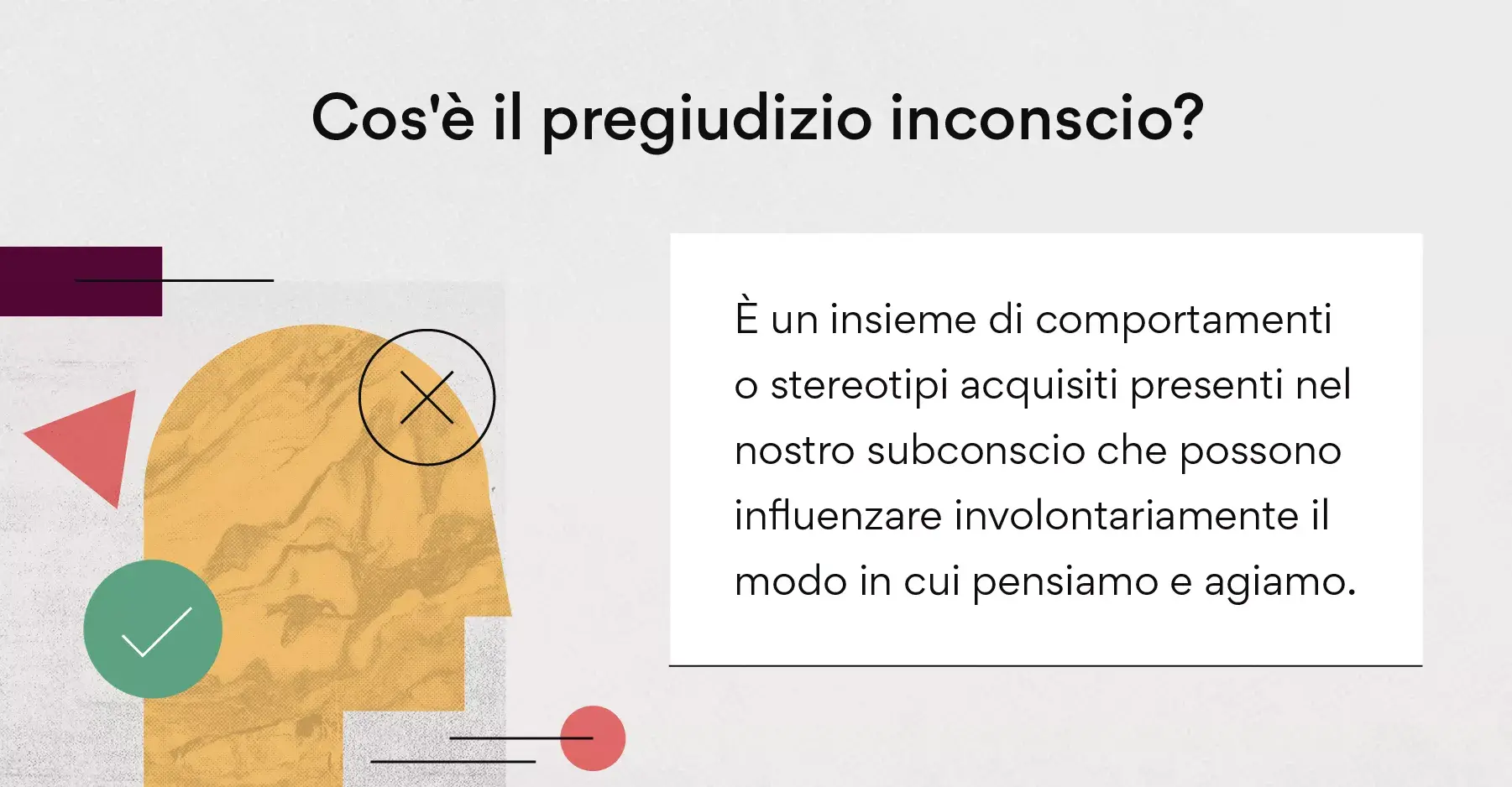
As a result, unconscious biases can significantly influence our limiting beliefs and behaviors. If not properly addressed, these biases can negatively impact a company's workplace culture and team dynamics. Being aware of and understanding the different types of bias can help you find ways to combat them.
Leadership e cambiamento: aumentare la chiarezza e creare un clima di fiducia
In questo webinar, gli esperti di Asana offrono suggerimenti concreti per guidare il tuo team attraverso l'incertezza. Scopri come aiutare i dipendenti a concentrarsi su ciò che conta davvero.


Types of unconscious bias
Unconscious biases manifest in different ways and have varying consequences. Here's a quick overview of the main categories:
Category | Examples |
|---|---|
Identity-based biases | Gender bias, ageism, name bias, beauty bias |
Perception biases | Halo effect, horns effect, perception bias, attribution bias |
Information-processing biases | Confirmation bias, anchor bias, recency bias, illusory correlation |
Social and decision-making biases | Conformity bias, affinity bias, authority bias, status quo bias |
1. Gender bias
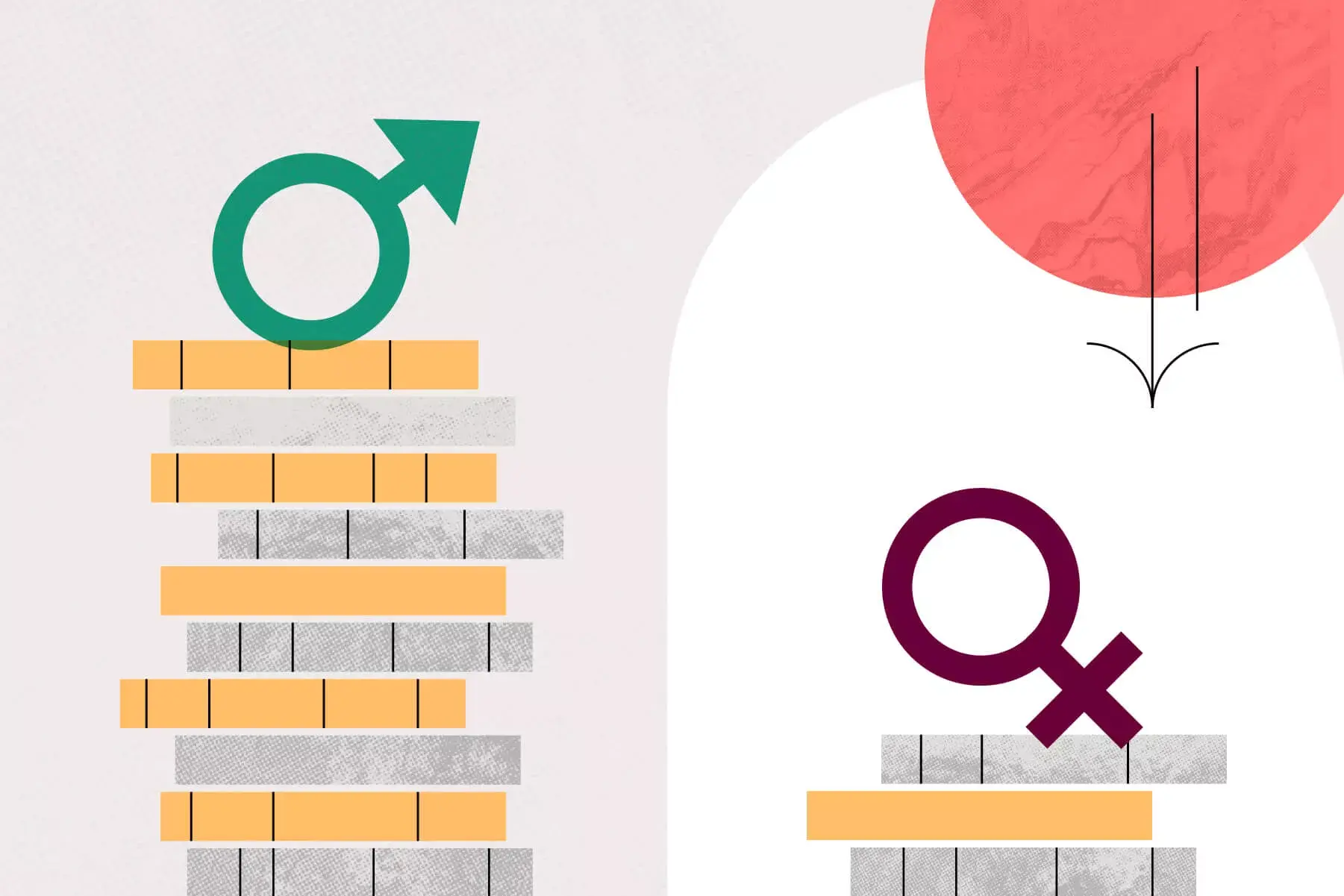
Gender bias, the favoring of one gender over another, is also often referred to as sexism. This bias occurs when someone unconsciously associates certain stereotypes with different genders, thereby reducing job and career advancement opportunities for certain populations.
Common examples of gender bias in the workplace include:
Hiring decisions. A hiring panel favors male candidates over female candidates even though they have similar skills and job experience.
Pay disparities. According to McKinsey's Women in the Workplace 2025 report, gender-based compensation gaps persist, with women still facing systemic barriers to career advancement and equitable pay. Research shows that unconscious bias in compensation decisions particularly affects women in the tech industry, impacting salary negotiations, performance reviews, and pay transparency.
How to avoid gender bias
Here are some ways to create a more gender-diverse workplace:
Set gender-neutral recruitment standards. Define the ideal candidate profile in advance and evaluate all candidates against it.
Create diversity goals. Set qualitative gender diversity goals and develop cultural intelligence to create a more gender-balanced team. Support and provide resources for women to take on leadership roles.
2. Ageism
Ageism refers to stereotyping or discriminating against others based on their age, often happening to older team members. According to recent workplace diversity research, ageism remains one of the 12 most common types of unconscious bias in the workplace, affecting hiring decisions and career advancement opportunities for older workers.
An older team member is passed over for a promotion in favor of a younger colleague with less seniority and experience.
The consequences for companies include:
Lost expertise. Missing out on the valuable knowledge and experience that older workers bring.
Legal risk. Workers ages 40 and older are protected under the Age Discrimination in Employment Act, which can lead to costly lawsuits.
How to avoid ageism bias
Preventing ageism involves challenging age-related stereotypes and engaging older team members in the workplace. Here are some ways to do that:
Don't make assumptions based on age. For example, don't automatically presume that older workers don't know how to use technology or aren't open to learning new skills. Provide equal learning opportunities for everyone.
Foster cross-generational collaboration. Create two-way mentorship programs that pair a senior team member with a new hire. This kind of collaboration facilitates communication among team members at different stages, helping break down misconceptions about age.
3. Name bias
Name bias is the tendency to prefer certain names over others, usually Anglo-sounding names. This bias is most prevalent in recruitment, where a recruiter may offer interviews to candidates with Anglo-sounding names rather than to equally qualified candidates with non-Anglo names.
Name bias can negatively impact diversity hiring and cause companies to miss out on talented candidates.
How to avoid name bias
A simple way to avoid name bias is to omit candidate names during screening. To do this, you can:
Use software. Use blind hiring software to block out candidates'personal details on resumes.
Do it manually. Designate a team member to remove personal information on resumes for the hiring team.
4. Beauty bias
Beauty bias refers to the favorable treatment and positive stereotyping of individuals perceived as more attractive. This has also given rise to the term "lookism," which is discrimination based on physical appearance. A hiring manager is more inclined to hire candidates they think are good-looking. Hiring decisions should be based on skills, experience, and culture fit rather than physical appearance.
How to avoid beauty bias
Here are some ways to avoid beauty bias when screening job applicants:
Omit pictures from resumes. Focus on an applicant's qualifications and experience when screening resumes.
Conduct telephone screening. Before scheduling an interview, consider doing a short telephone interview to get to know the applicant better without being influenced by their appearance.
5. Halo effect
The halo effect, a term coined by psychologist Edward Thorndike in the 1920s, occurs when we develop an overall positive impression of someone because of one of their qualities or traits. This leads us to put people on a pedestal based on limited information.
A hiring manager sees that a candidate graduated from a prestigious school and assumes they'll excel at the job. However, academic background doesn't necessarily determine job competency. By focusing too much on one positive trait, we may overlook negative behavior that could harm the company, such as a candidate who was fired for misconduct in a previous role.
How to avoid the halo effect
To reduce the impact of the halo effect, you could try out different interviewing strategies:
Conduct multiple interviews. Set up several rounds of interviews for candidates with different levels of management. That way, a candidate can be evaluated from various perspectives.
Diversify your interview team. Getting someone from another team to interview the candidate may help since they'll have less reason to "halo" them as they won't be working with them directly.
6. Horns effect
The horns effect is the opposite of the halo effect. This bias leads us to form a negative impression of someone based on a single trait or experience, resulting in inaccurate and unfair judgments of their character.
A new team member thinks the constructive criticism they received from their manager is harsh and assumes that their manager is a critical and stern person. If left unchecked, the horns effect can erode cohesiveness and trust among team members.
How to avoid the horns effect
In order to reduce the horns effect when interacting with others, try to:
Challenge your first impressions. Take the time to get to know someone so you can develop a clearer impression of them as a whole.
Make judgments based on evidence. Ask yourself how you developed your first impression of someone and find evidence to support or refute that impression based on additional interactions.
7. Confirmation bias
Confirmation bias is the tendency to seek out and use information that confirms one's views and expectations. This cherry-picking affects our ability to think critically and can lead to skewed interpretations of information.
A product developer comes up with an idea for the athletic market. Although market research shows little interest, they validate the idea by reaching out to athlete friends who they know will support it, rather than considering the data objectively.
How to avoid confirmation bias
Here are some ways to reduce confirmation bias:
Gather multiple sources. Whenever you're testing a hypothesis or conducting research, gather information from a wide variety of sources to get a balanced perspective.
Standardize interview questions. When recruiting new talent, compile a list of standard interview questions to avoid asking off-topic or leading questions that may or may not confirm your beliefs about a candidate.
8. Conformity bias
Conformity bias is similar to groupthink, which occurs when we change our opinions or behaviors to match those of the larger group, even if it doesn't reflect our own. This bias may occur when we face peer pressure or try to fit into a certain social group or professional environment.
A team is deciding between two proposals. One person thinks proposal A is better, but the rest of the team is leaning towards proposal B. That person is swayed and ends up voting for proposal B because everyone else did. Although conformity can help prevent conflicts, it may also limit creativity, open discussion, and the availability of other perspectives.
How to avoid conformity bias
Here are some ways to help encourage honest opinions in the workplace:
Use anonymous votes or surveys. The option to give feedback anonymously allows people to express their opinions without worrying about others' preferences.
Ask for opinions in advance. Before a meeting, have a private conversation with each team member to gather their opinions. This gives everyone plenty of time to think about a topic and express their thoughts without the pressure of presenting in front of colleagues.
9. Affinity bias
Affinity bias, also known as the similarity bias, refers to the tendency to favor people who share similar interests, backgrounds, and experiences. We tend to feel more comfortable around people who are like us. A hiring manager gravitates towards a job applicant because they share the same alma mater. Over time, affinity bias in hiring can hamper a company's diversity and inclusion efforts.
How to avoid affinity bias
While eliminating affinity bias entirely may not be possible, there are ways to reduce its effects:
Create a diverse hiring panel. Different people with varying perspectives and interests who conduct interviews can help reduce the affinity bias of one individual.
Go beyond hiring for "culture fit." The more hiring managers have in common with candidates, the more likely they are to evaluate them as a good "culture fit." But the term "culture fit" is vague, and it can mean different things to different people. To assess candidates fairly, use specific language and examples when providing feedback.
10. Contrast effect
We often make judgments by making comparisons. As a result, our judgments may change depending on the standard we're comparing it to. This is known as the contrast effect. A team member is happy to receive a "meets expectations" on their performance review. However, they start to feel inadequate after finding out that most of their colleagues received "exceeds expectations" ratings in their reviews.
There can also be positive contrast effects, which occur when something is perceived to be better than usual because it's being compared to something worse.
How to avoid the contrast effect
Here are some strategies to try when using comparisons to make decisions:
Make multiple comparisons. Instead of reaching a conclusion after a single comparison, compare something against different standards to broaden your perspective.
Talk it out. Explain how you came to a given conclusion to your colleagues so they can understand your point of view.
Leadership e cambiamento: aumentare la chiarezza e creare un clima di fiducia
In questo webinar, gli esperti di Asana offrono suggerimenti concreti per guidare il tuo team attraverso l'incertezza. Scopri come aiutare i dipendenti a concentrarsi su ciò che conta davvero.
11. Status quo bias
This bias describes our preference for the way things are, which can result in resistance to change. Following the status quo is a safe option and takes less effort, but it also results in stagnation. A company continues hiring team members from the same demographic group, making no effort toward diversity goals. By repeating the same hiring practices, you miss out on candidates who can bring fresh ideas and perspectives.
How to avoid the status quo bias
Here are some ways you can challenge the status quo:
Use the framing effect. We often follow the status quo to avoid a loss, which we place greater weight on compared to gains. The framing effect involves viewing the default option as a loss to encourage exploration of alternative options as gains.
Encourage outside-the-box thinking. Create an environment that celebrates creativity and innovation. Adapt an open mindset to change so that your team can continue to push the status quo.
12. Anchor bias
Anchor bias occurs when we rely too heavily on the first piece of information we receive as an anchor for our decision-making. This causes us to see things from a narrow perspective. The first thing a recruiter finds out about a candidate is that they have been unemployed for the past year. The recruiter focuses on this fact rather than the candidate's solid qualifications and skills.
Instead of relying on one piece of information to make a decision, it's important to look at the whole picture.
How to avoid anchor bias
It takes time to make a thoughtful decision. Here are some tips to keep in mind:
Conduct thorough research. The first option may not always be the best one. Explore various possible options and their pros and cons before deciding.
Brainstorm with your team. Discussing a decision with your teammates can help reveal a plan's strengths and weaknesses.
13. Authority bias
Authority bias is the tendency to trust authority figures and follow their instructions. While following a trusted leader with relevant expertise is often wise, blindly following direction without critical thinking may cause issues.
A team member unquestionably follows their manager's instructions to write a report that matches the manager's opinions, which could jeopardize the report's integrity. When receiving instructions outside your manager's expertise, seek additional information to minimize potential issues.
How to avoid authority bias
As with many unconscious biases, developing awareness of the bias is a good first step to countering it. Here is how to avoid being influenced by authority bias:
Ask questions. Don't be afraid to ask your manager or company leader questions. The level of detail they provide may indicate whether an idea was well thought out or whether their authority is at play.
Do your research. Conduct your own research on a given topic to identify other credible sources or experts, and determine whether their suggestions align with your manager's.
14. Overconfidence bias
Overconfidence bias is the tendency for people to think they are better at certain abilities and skills than they actually are. This false assessment of our skill levels, stemming from an illusion of knowledge or control, can lead us to make rash decisions.
An overconfident CEO decides to acquire a startup they see as high-potential and believe will deliver high returns, even though their performance indicates otherwise. While leading with confidence is a good thing, it's important not to let it get in the way of logical thinking and decision-making.
How to avoid overconfidence bias
Here are tips to follow when you're making decisions:
Consider the consequences. The decisions you make can affect your company. Before making a decision, determine all possible outcomes to ensure you're prepared for them.
Ask for feedback. Getting feedback from your team can help you identify areas for improvement, whether it's your performance or your ideas. Constructive criticism can keep egos in check.
15. Perception bias
Perception bias occurs when we judge or treat others based on often inaccurate, overly simplistic stereotypes and assumptions about the group they belong to. It may involve other biases such as gender, age, and appearance. A team member doesn't invite a teammate to an after-work social event because they assume that they wouldn't share similar interests with the group.
Perception bias can make it difficult to have an objective understanding of members from diverse groups and may result in social exclusion and discrimination.
How to avoid perception bias
Reducing the impact of perception bias requires recognizing your biases:
Challenge your assumptions. Ask yourself, "How well do I really know that person or the group they belong to?" Don't let preconceived notions prevent you from meeting or including new people.
Think about the accuracy of statements. When you find yourself using strong words like "all," "always," and "never" to describe a certain group, pause and take a moment to ask yourself how accurate the description is.
16. Illusory correlation
Illusory correlation occurs when we associate two variables, events, or actions, even though they're unrelated. These illusions can lead us to make decisions based on inaccurate correlations. A hiring manager asks a candidate interview questions unrelated to the job itself. Since the candidate struggles to come up with answers, the hiring manager decides they would not be a good fit.
How to avoid illusory correlation bias
We may be more prone to see false correlations in unfamiliar or poorly understood circumstances. Here are tips to avoid making illusory correlations:
Get informed. Learning more about the areas you're not familiar with can help you find evidence to support or refute the correlation.
Consider all possibilities. When you associate two things, consider the likelihood of the cause and effect. You can also use a contingency table to visualize the relationships between the cause and effect.
17. Affect heuristic
Heuristics are mental shortcuts that help us make decisions more efficiently. The affect heuristic occurs when we rely on our emotions to make decisions, which may help us reach a conclusion more quickly but may not always be accurate or fair.
An interview candidate makes an offhand comment that offends a recruiter, though that wasn't their intention. The recruiter decides to reject the candidate because they were vexed by the comment, even though the candidate was the most qualified.
How to avoid the affect heuristic bias
Here are ways to lower the influence of emotions in different circumstances:
Be aware of your emotions. Simply being aware of our emotional level in a situation can help us step back and evaluate it more logically.
Take time to reflect. Reflect on an event some time after it occurs. Your emotions likely won't be as strong as they were during the event, so you'll be able to come to a more objective conclusion.
18. Recency bias
Recency bias occurs when we give recent events greater weight than past events because they're easier to remember. This bias is more likely to occur when we have to process a large amount of information. Hiring managers often review a high volume of job applications in a day, making it harder to recall candidates screened earlier. They may become more inclined to make hiring decisions based on the most recent candidate they interviewed.
How to avoid recency bias
Here are some tips to prevent recency bias when interviewing candidates:
Take notes. Take detailed notes during each interview and review them afterward. This can help you keep track of notable candidates regardless of when you interviewed them.
Give yourself mental breaks. Doing back-to-back interviews can be mentally draining. When your working memory takes a toll, you're more likely to be affected by recency bias. Stay mentally alert by taking breaks in between interviews so your brain has time to absorb and remember the information.
19. Idiosyncratic rater bias
Idiosyncratic rater bias affects how we evaluate others' performance. We often rate others based on our subjective interpretations of the assessment criteria and our own definition of what "success" looks like. Research has found that about 60% of a manager's rating reflects the manager rather than the team member they're rating.
Example: A manager who excels at project management has higher standards for this skill and gives harsher ratings to team members. On the other hand, they are more lenient when rating marketing skills because they are less familiar with that area.
Leggi: Venticinque competenze essenziali della gestione dei progetti che ti servono per avere successoHow to avoid idiosyncratic rater bias
Here are some strategies to avoid this bias when doing performance reviews:
Set specific and clear assessment criteria. Create a rubric or a specific set of standards for evaluating performance. This prompts managers to provide supporting evidence based on a team member's performance or achievements to determine how well they did.
Conduct multi-rater reviews. This process involves a team member receiving feedback from colleagues and managers, as well as conducting a self-evaluation. Having multiple reviews to draw from can help managers gain a more holistic view of a team member's performance and identify potential areas for growth.
20. Attribution bias
Attribution bias describes how we assign causes or reasons for behavior in ourselves and others. It typically follows this pattern:
Our own successes: We attribute them to internal factors, such as skill.
Our own failures: We blame external factors like circumstances.
Others'successes: We attribute them to luck or easy situations.
Others'failures: We blame internal character flaws.
Example: A manager sees a male team member's project success as a sign of expertise, but views a female colleague's identical success as getting lucky. This can unfairly influence performance reviews and promotions.
How to avoid attribution bias
To avoid attribution bias, it's important to:
Consider situational factors. Before judging a person's success or failure, ask what external circumstances might have played a role. Was the deadline reasonable? Did they have enough resources?
Apply the same standards to everyone. Consciously evaluate every team member's performance using the same lens, regardless of your prior relationship or their background. Challenge yourself to see if you are attributing success to skill for one person and luck for another.
Why it's important to tackle unconscious biases
As these examples show, unconscious biases can hinder decision-making, impact team dynamics and leadership styles, and limit company diversity. This, in turn, can reduce equal opportunities for team members and job applicants. Tackling unconscious biases can help address these issues and improve company diversity.
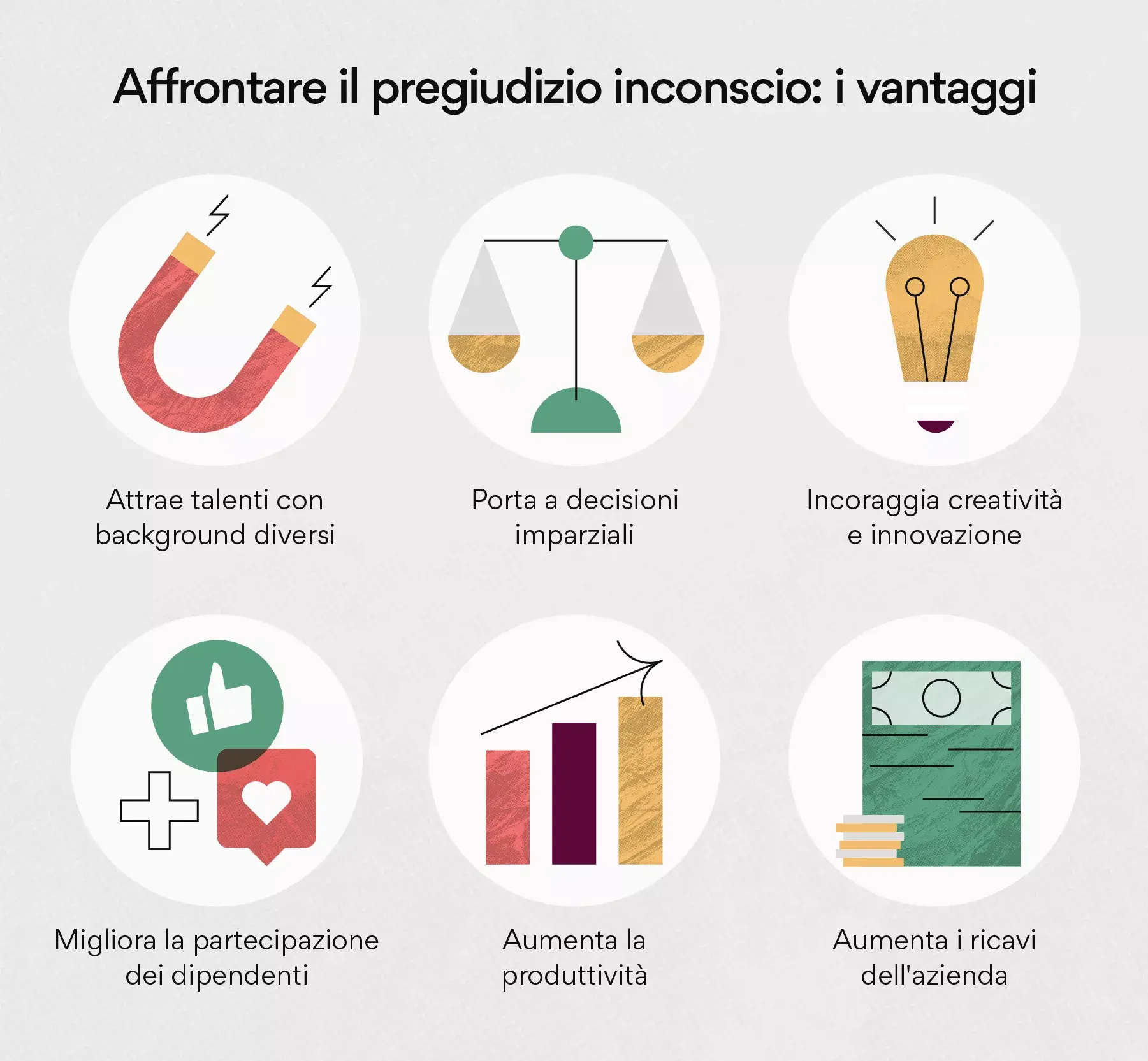
Increased company diversity can bring additional benefits, such as:
Higher profitability: A McKinsey study found that gender-diverse companies were 21% more likely to gain above-average profitability.
Access to wider talent pools: Inclusive recruitment strategies help companies reach more candidates, and job seekers are more likely to apply to companies that prioritize diversity.
Greater innovation: Research consistently demonstrates that diverse leadership teams drive better business outcomes. According to McKinsey's Women in the Workplace 2025 report, companies that prioritize diversity in leadership see measurable benefits, though only half currently prioritize women's career advancement, part of a concerning multi-year trend.
Increased productivity: Tech firms with diverse management teams have 1.32 times higher levels of productivity.
Stronger employee engagement: Deloitte research shows that diversity is directly related to employee engagement, which lowers turnover.
Better decision-making: Diverse and inclusive teams consistently make better business decisions. Current research shows that addressing unconscious bias in hiring and team composition leads to improved outcomes; for example, studies reveal that applicants with white-sounding names are 50% more likely to receive callbacks than equally qualified applicants with Black-sounding names, highlighting how bias undermines optimal talent selection and decision-making.
Build a more inclusive workplace
Becoming aware of your unconscious biases is the first step toward building a more inclusive and effective team. By understanding how these mental shortcuts appear at work, you can actively challenge them, make fairer decisions, and create an environment where everyone can thrive.
Putting these strategies into practice helps connect your team's work to your company's diversity and inclusion goals. By taking micro-steps such as revamping your interview questions template and encouraging cross-team collaboration, you're working towards a more diverse and inclusive workplace environment for you and your team. Ready to build a more inclusive workplace? Get started with Asana to streamline your hiring process and team collaboration.
Leadership e cambiamento: aumentare la chiarezza e creare un clima di fiducia
In questo webinar, gli esperti di Asana offrono suggerimenti concreti per guidare il tuo team attraverso l'incertezza. Scopri come aiutare i dipendenti a concentrarsi su ciò che conta davvero.
Frequently asked questions about unconscious bias
The most common biases in the workplace include affinity bias (favoring people like us), confirmation bias (seeking information that confirms our beliefs), gender bias (stereotyping based on gender), and the halo effect (letting one positive trait overshadow everything else).
Identifying your own biases requires self-reflection: pay attention to your initial reactions to people and ask whether your decisions are based on evidence or gut feeling. You can also take an Implicit Association Test (IAT) online to uncover potential blind spots.
Unconscious bias refers to the automatic mental shortcuts that influence our judgments without our awareness, while discrimination is the action taken based on those biases, resulting in unfair treatment. In short, bias is an internal thought process; discrimination is its external, harmful expression.
Unconscious bias training is most effective when it's part of a larger, ongoing strategy. Lasting change requires combining education with structural changes to processes like hiring, promotions, and performance reviews to interrupt bias where it happens.