17 Elevator Pitch Contoh Terbaik untuk Setiap Skenario Profesional

85% perusahaan Fortune 100 memilih Asana¹






Pernahkah Anda terjebak dalam situasi di mana harus memperkenalkan diri atau gagasan bisnis Anda kepada seseorang yang penting - tetapi hanya punya waktu sesingkat perjalanan naik lift? Cara memperkenalkan diri secara singkat dan menarik adalah dengan menyiapkan elevator pitch - presentasi terstruktur yang menyampaikan siapa Anda, apa yang Anda tawarkan, dan mengapa hal itu penting, semuanya dalam waktu kurang dari 60 detik. Di sinilah elevator pitch contoh menjadi aset paling berharga dalam karier profesional Anda. Kemampuan menyampaikan pesan yang kuat, padat, dan berkesan dalam waktu singkat membedakan para profesional yang menonjol dari yang terlupakan begitu pintu lift terbuka.
Baik Anda seorang pencari kerja yang ingin memenangkan wawancara, seorang manajer yang hendak mempresentasikan proyek kepada direksi, maupun wirausahawan yang membutuhkan dukungan investor - kemampuan membuat elevator pitch yang tajam adalah keterampilan yang tidak ternilai. Dengan alat kolaborasi Tim yang tepat dan persiapan yang matang, Anda dapat memastikan pesan Anda selalu tersampaikan dengan konsisten dan profesional kepada siapa pun yang Anda temui.
Dalam panduan lengkap ini, Anda akan menemukan definisi elevator pitch, cara membuat elevator pitch langkah demi langkah, template elevator pitch yang bisa langsung digunakan, serta 17 contoh konkret untuk berbagai situasi profesional.
Apa Itu Elevator Pitch?
Elevator pitch adalah presentasi singkat berdurasi 30-60 detik yang dirancang untuk memperkenalkan diri, produk, atau gagasan Anda secara ringkas dan meyakinkan kepada lawan bicara - biasanya dalam situasi informal seperti pertemuan di lift atau acara networking.
Elevator pitch adalah presentasi singkat yang dirancang untuk memperkenalkan diri Anda, produk, layanan, atau gagasan kepada orang lain dalam waktu yang sangat terbatas - biasanya antara 30 hingga 60 detik. Nama "elevator pitch" sendiri berasal dari skenario di mana Anda berjumpa dengan seseorang yang berpengaruh di dalam lift dan memanfaatkan perjalanan singkat tersebut untuk menyampaikan pesan terpenting Anda.
Elevator pitch yang baik bukan sekadar rangkuman CV atau deskripsi produk. Ini adalah narasi yang terstruktur dengan cermat untuk menjawab tiga pertanyaan mendasar: siapa Anda, apa yang Anda tawarkan, dan mengapa hal itu penting bagi lawan bicara Anda. Keberhasilan sebuah elevator pitch diukur bukan dari seberapa banyak informasi yang Anda sampaikan, melainkan dari seberapa kuat kesan yang Anda tinggalkan dan seberapa besar minat lawan bicara untuk mengenal Anda lebih lanjut.
Berapa Lama Sebaiknya Elevator Pitch Dilakukan?
Durasi ideal sebuah elevator pitch bergantung pada konteks dan tujuannya. Secara umum, rentang waktu yang direkomendasikan adalah antara 30 hingga 60 detik - cukup untuk menyampaikan pesan inti tanpa kehilangan perhatian lawan bicara. Perlu diingat bahwa sebuah studi dari Microsoft Canada menemukan bahwa rentang perhatian manusia rata-rata menurun menjadi sekitar 8 detik, sehingga detik-detik pertama elevator pitch Anda sangat menentukan apakah lawan bicara akan terus mendengarkan atau tidak. Pelajari lebih lanjut tentang etiket bisnis yang tepat untuk berbagai situasi profesional.
Berikut panduan durasi elevator pitch berdasarkan konteks penggunaannya:
Networking acara atau konferensi: 30-45 detik - cukup untuk memperkenalkan diri dan membuka percakapan lebih lanjut.
Wawancara kerja (pertanyaan "ceritakan tentang diri Anda"): 60-90 detik - memberi ruang untuk menyampaikan latar belakang, keahlian, dan motivasi secara ringkas.
Presentasi produk atau layanan kepada klien: 45-60 detik - fokus pada manfaat utama dan pembeda kompetitif.
Pitching kepada investor: 60-120 detik - cukup untuk menyampaikan masalah, solusi, dan peluang pasar.
Pertemuan internal dengan eksekutif: 30-45 detik - langsung ke inti permasalahan dan rekomendasi tindakan.
Mengapa Elevator Pitch Penting?
Elevator pitch bukan sekadar keterampilan opsional - ini adalah fondasi komunikasi profesional yang berdampak langsung pada kemajuan karier dan bisnis Anda. Dalam dunia kerja yang serba cepat, kemampuan menyampaikan nilai diri atau gagasan Anda secara ringkas dan meyakinkan menentukan seberapa cepat pintu peluang terbuka untuk Anda.
Dalam konteks wawancara kerja, elevator pitch yang kuat langsung membentuk kesan pertama yang positif dan membedakan Anda dari puluhan kandidat lain. Di acara networking, pitch yang tajam mengubah pertemuan singkat menjadi koneksi profesional yang bermakna dan berpotensi jangka panjang. Pada dasarnya, elevator pitch adalah bentuk komunikasi efektif di tempat kerja yang paling terkonsentrasi. Untuk para wirausahawan dan tim penjualan, elevator pitch yang terlatih mempercepat siklus pengembangan bisnis karena dapat disampaikan kapan saja dan di mana saja tanpa persiapan presentasi formal. Sementara bagi para manajer dan pemimpin tim, kemampuan ini mendukung pengembangan karier dengan menunjukkan kejernihan berpikir dan kepercayaan diri di hadapan pemangku kepentingan senior.
Apa Ciri Elevator Pitch yang Hebat: 3 K
Elevator pitch yang efektif memiliki tiga karakteristik utama yang sering disebut sebagai "3 K":
1. Klir (Jelas)
Sebuah elevator pitch harus disampaikan dalam bahasa yang mudah dipahami oleh siapa pun, tanpa jargon teknis yang membingungkan. Gunakan kalimat aktif dan hindari istilah industri yang tidak dikenal lawan bicara Anda. Pesan utama harus dapat dipahami bahkan oleh seseorang yang tidak familiar dengan bidang Anda.
2. Kompak (Ringkas)
Setiap kata dalam elevator pitch harus memiliki tujuan yang jelas. Hilangkan informasi yang tidak relevan dan fokus pada satu atau dua poin terkuat yang ingin Anda sampaikan. Ingat bahwa tujuan elevator pitch bukan untuk menjelaskan segalanya, melainkan untuk membangkitkan minat lawan bicara agar mau mendengar lebih lanjut.
3. Koneksi (Menyenangkan)
Elevator pitch yang baik tidak hanya menyampaikan fakta - ia membangun koneksi emosional dengan lawan bicara. Tunjukkan antusiasme Anda, sampaikan manfaat yang relevan bagi mereka, dan akhiri dengan undangan untuk melanjutkan percakapan. Pitch yang terasa seperti percakapan alami jauh lebih efektif daripada yang terasa seperti presentasi yang dihafal.
Cara Membuat Elevator Pitch
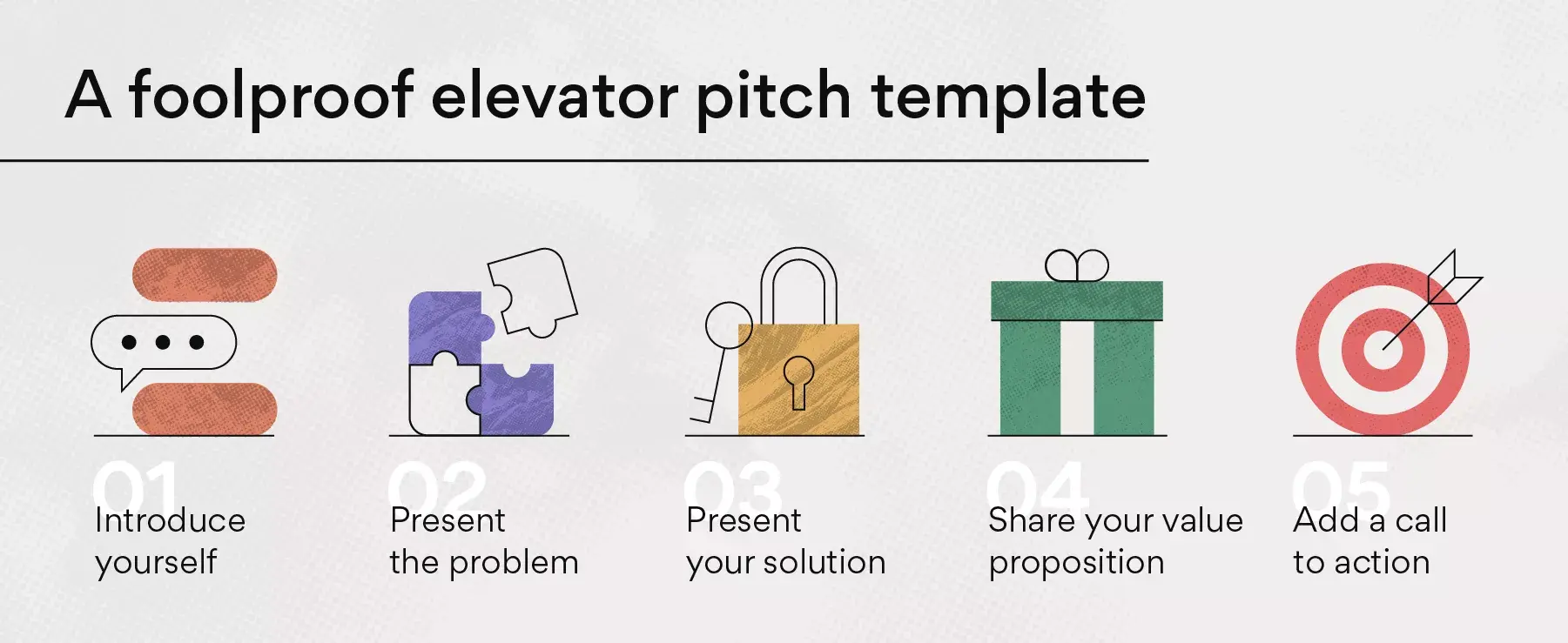
Membuat elevator pitch yang efektif membutuhkan proses yang terstruktur. Lima komponen utama elevator pitch yang efektif:
Hook - pembuka yang menarik perhatian
Perkenalan - siapa Anda dan apa yang Anda lakukan
Proposisi nilai - manfaat spesifik yang Anda tawarkan
Bukti - data atau pencapaian konkret
Call to action - langkah selanjutnya yang jelas
Ikuti lima langkah berikut untuk menyusun pitch yang meyakinkan dan berkesan.
Langkah 1: Kenali Target Audiens Anda
Sebelum menulis satu kata pun, identifikasi siapa yang akan mendengarkan pitch Anda. Elevator pitch untuk rekruter berbeda dengan pitch untuk investor atau klien potensial. Pahami kebutuhan, tantangan, dan kepentingan utama audiens Anda. Pertanyaan kuncinya adalah: apa yang paling relevan bagi mereka dari semua yang bisa Anda tawarkan? Pelajari cara mendefinisikan target audiens Anda dengan tepat untuk hasil komunikasi yang lebih efektif.
Lakukan riset singkat jika memungkinkan - cari tahu latar belakang industri mereka, tantangan yang umumnya dihadapi, dan tren terkini di bidang mereka. Informasi ini akan membantu Anda menyesuaikan pesan sehingga terasa personal dan relevan, bukan generik.
Langkah 2: Mulai dengan Hook yang Kuat
Kalimat pembuka adalah penentu apakah lawan bicara Anda akan terus mendengarkan atau tidak. Gunakan pertanyaan retoris, statistik mengejutkan, atau pernyataan berani yang langsung menyentuh pain point audiens Anda. Hindari pembuka klise seperti "Perkenalkan, nama saya..." yang langsung membuat pitch Anda terasa membosankan.
Contoh hook yang efektif: "Tahukah Anda bahwa tim rata-rata kehilangan 2 jam produktivitas setiap harinya hanya karena komunikasi yang tidak terkoordinasi?" - kalimat seperti ini langsung memicu rasa penasaran dan relevansi bagi siapa pun yang memimpin sebuah tim.
Langkah 3: Sampaikan Siapa Anda dan Apa yang Anda Lakukan
Setelah hook, perkenalkan diri Anda secara ringkas dengan menyertakan peran, keahlian utama, dan konteks yang relevan. Hindari menyebutkan terlalu banyak detail - pilih satu atau dua hal yang paling relevan dengan konteks pertemuan. Pastikan perkenalan ini mengalir secara alami dari hook yang Anda sampaikan sebelumnya.
Ingat bahwa bagian ini bukan tentang mencantumkan semua pencapaian Anda - ini tentang menunjukkan siapa Anda dalam konteks yang bermakna bagi lawan bicara. Fokus pada relevansi, bukan kelengkapan.
Langkah 4: Jelaskan Nilai yang Anda Tawarkan
Ini adalah inti dari elevator pitch Anda. Jelaskan dengan spesifik manfaat atau nilai yang Anda atau produk/layanan Anda berikan. Gunakan angka atau bukti konkret jika memungkinkan - "meningkatkan efisiensi tim sebesar 30%" jauh lebih meyakinkan daripada "meningkatkan efisiensi tim". Pahami cara menyusun template proposisi nilai yang kuat untuk memperkuat bagian pitch ini.
Hubungkan nilai yang Anda tawarkan langsung dengan kebutuhan atau tantangan yang dihadapi audiens Anda. Semakin spesifik koneksi ini, semakin kuat dampak pitch Anda. Hindari klaim yang terlalu umum atau terkesan berlebihan tanpa dukungan fakta.
Langkah 5: Akhiri dengan Call to Action yang Jelas
Setiap elevator pitch yang efektif harus diakhiri dengan tindakan konkret yang Anda inginkan dari lawan bicara - pertukaran kartu nama, pertemuan lanjutan, demonstrasi produk, atau sekadar bertukar kontak. Buat permintaan ini spesifik dan mudah disetujui. "Bolehkah kita atur pertemuan 15 menit minggu ini?" jauh lebih mudah dijawab "ya" dibandingkan "Saya harap kita bisa berkolaborasi suatu saat."
Pastikan call to action Anda terasa seperti langkah logis berikutnya yang saling menguntungkan, bukan seperti permintaan yang mendesak atau memaksa. Nada yang tepat adalah percaya diri tetapi tidak agresif.
Baca: Cara menulis ringkasan eksekutif beserta contohnyaTemplat Elevator Pitch
Gunakan kerangka templat berikut sebagai titik awal untuk menyusun elevator pitch Anda sendiri. Templat ini dirancang untuk fleksibel dan dapat disesuaikan dengan berbagai konteks profesional.
Templat Elevator Pitch Umum
Berikut adalah struktur dasar yang dapat Anda adaptasi:
[Hook/Pembuka] - Mulai dengan fakta mengejutkan, pertanyaan, atau pernyataan yang langsung relevan bagi audiens Anda.
[Perkenalan Diri] - "Saya [nama], [jabatan/peran] di [perusahaan/institusi], dan saya berfokus pada [spesialisasi atau bidang keahlian]."
[Proposisi Nilai] - "Kami/Saya membantu [target audiens] untuk [mencapai hasil spesifik] dengan cara [pendekatan atau solusi unik Anda]."
[Bukti atau Pembeda] - "Salah satu hasil yang kami capai adalah [pencapaian konkret dengan angka jika memungkinkan]."
[Call to Action] - "Saya ingin mengetahui lebih lanjut tentang [tantangan spesifik mereka]. Bolehkah kita atur waktu untuk berdiskusi lebih lanjut?"
Contoh Elevator Pitch 30 Detik
Berikut adalah perbandingan sembilan contoh elevator pitch pertama berdasarkan skenario, elemen kunci, dan tingkat efektivitasnya:
Contoh | Skenario | Elemen Kunci | Tingkat Efektivitas |
Contoh 1 | Pencari kerja - wawancara | Latar belakang, keahlian, motivasi | Tinggi - langsung relevan |
Contoh 2 | Networking profesional | Hook relatable, nilai unik, CTA | Tinggi - membangun koneksi |
Contoh 3 | Promosi produk/layanan | Problem-solution, bukti konkret | Tinggi - berbasis data |
Contoh 4 | Perubahan karier | Transferable skills, motivasi baru | Sedang-Tinggi - memerlukan kepercayaan |
Contoh 5 | Perekrut kepada kandidat | Nilai perusahaan, peluang spesifik | Tinggi - personal dan spesifik |
Contoh 6 | Wirausahawan kepada mitra | Visi, traction, peluang kolaborasi | Tinggi - menginspirasi aksi |
Contoh 7 | Manajer kepada direksi | Masalah, solusi, dampak bisnis | Tinggi - berorientasi hasil |
Contoh 8 | Konsultan kepada klien baru | Spesialisasi, metodologi, ROI | Tinggi - membangun kredibilitas |
Contoh 9 | Satu kalimat perkenalan | Kepadatan informasi, memorabilitas | Sedang - bergantung pada konteks |
Contoh 1: Pencari Kerja dalam Wawancara
"Saya memiliki latar belakang lima tahun di bidang pemasaran digital dengan spesialisasi di SEO dan content strategy. Selama berkarier di dua perusahaan teknologi sebelumnya, saya berhasil meningkatkan organic traffic sebesar rata-rata 150% dalam 12 bulan pertama. Saya bergabung dengan tim ini karena saya percaya pendekatan data-driven yang saya miliki akan sangat melengkapi visi pertumbuhan digital perusahaan Anda. Bisakah kita diskusikan lebih lanjut tentang tantangan spesifik yang dihadapi tim pemasaran Anda saat ini?"
Contoh 2: Networking di Acara Profesional
"Apakah Anda pernah menghabiskan lebih banyak waktu untuk mengelola proyek daripada mengerjakannya? Itulah masalah yang saya bantu selesaikan. Saya konsultan manajemen proyek yang berspesialisasi dalam membantu tim skala menengah merampingkan alur kerja mereka - hasil rata-rata klien kami adalah pengurangan waktu administrasi sebesar 40%. Saya senang bisa berbincang dengan Anda. Apa tantangan terbesar yang sedang dihadapi tim Anda sekarang?" Membangun rapport yang kuat dengan lawan bicara adalah kunci keberhasilan networking.
Contoh 3: Mempresentasikan Produk atau Layanan
"Tim yang menggunakan platform manajemen kerja kami melaporkan penghematan rata-rata 5 jam per minggu per anggota tim - itu setara dengan lebih dari 250 jam produktivitas yang dikembalikan setiap tahunnya untuk tim beranggotakan 10 orang. Kami bekerja dengan lebih dari 200 perusahaan di Asia Tenggara untuk menghilangkan hambatan komunikasi dan memastikan setiap orang tahu persis apa yang harus dikerjakan, kapan, dan mengapa. Apakah Anda terbuka untuk melihat demonstrasi singkat 15 menit minggu depan?"
Contoh 4: Profesional yang Beralih Karier
"Selama 8 tahun berkarier sebagai insinyur perangkat lunak, saya menyadari bahwa saya paling bersemangat ketika menjadi jembatan antara tim teknis dan pengguna akhir. Itulah yang mendorong saya untuk beralih ke product management - di mana kemampuan teknis saya bertemu dengan pemahaman mendalam tentang kebutuhan pengguna. Saya baru saja menyelesaikan sertifikasi product management dan saat ini mencari peluang di perusahaan yang menghargai perspektif teknis dalam pengembangan produk. Bagaimana pendekatan pengembangan produk di perusahaan Anda?"
Contoh 5: Perekrut Memperkenalkan Peluang kepada Kandidat
"Perusahaan tempat saya bermitra sedang mencari seorang head of operations yang bisa membawa struktur tanpa mengorbankan kelincahan tim yang sudah mereka bangun selama tiga tahun terakhir. Mereka adalah startup fintech yang baru saja mendapatkan Series B dan bersiap untuk ekspansi ke tiga pasar baru. Dengan latar belakang Anda dalam scaling operasi di lingkungan yang bergerak cepat, saya rasa ini bisa menjadi kecocokan yang sangat menarik. Apakah Anda terbuka untuk mendengar lebih lanjut?"
Contoh 6: Wirausahawan Memperkenalkan Startup
"UMKM di Indonesia kehilangan rata-rata 20% pendapatan mereka bukan karena kurangnya pelanggan, melainkan karena pengelolaan inventaris yang tidak efisien. Startup kami mengembangkan solusi manajemen inventaris berbasis AI yang khusus dirancang untuk UMKM dengan anggaran terbatas - bukan adaptasi dari sistem enterprise yang rumit dan mahal. Dalam enam bulan sejak peluncuran, kami telah membantu 500 UMKM mengurangi kerugian akibat kelebihan stok rata-rata sebesar 35%. Saat ini kami sedang mencari mitra distribusi yang memiliki jaringan kuat di pasar ritel tradisional."
Baca: 15 contoh elevator pitch kreatif untuk setiap skenarioContoh 7: Manajer Mempresentasikan Inisiatif kepada Direksi
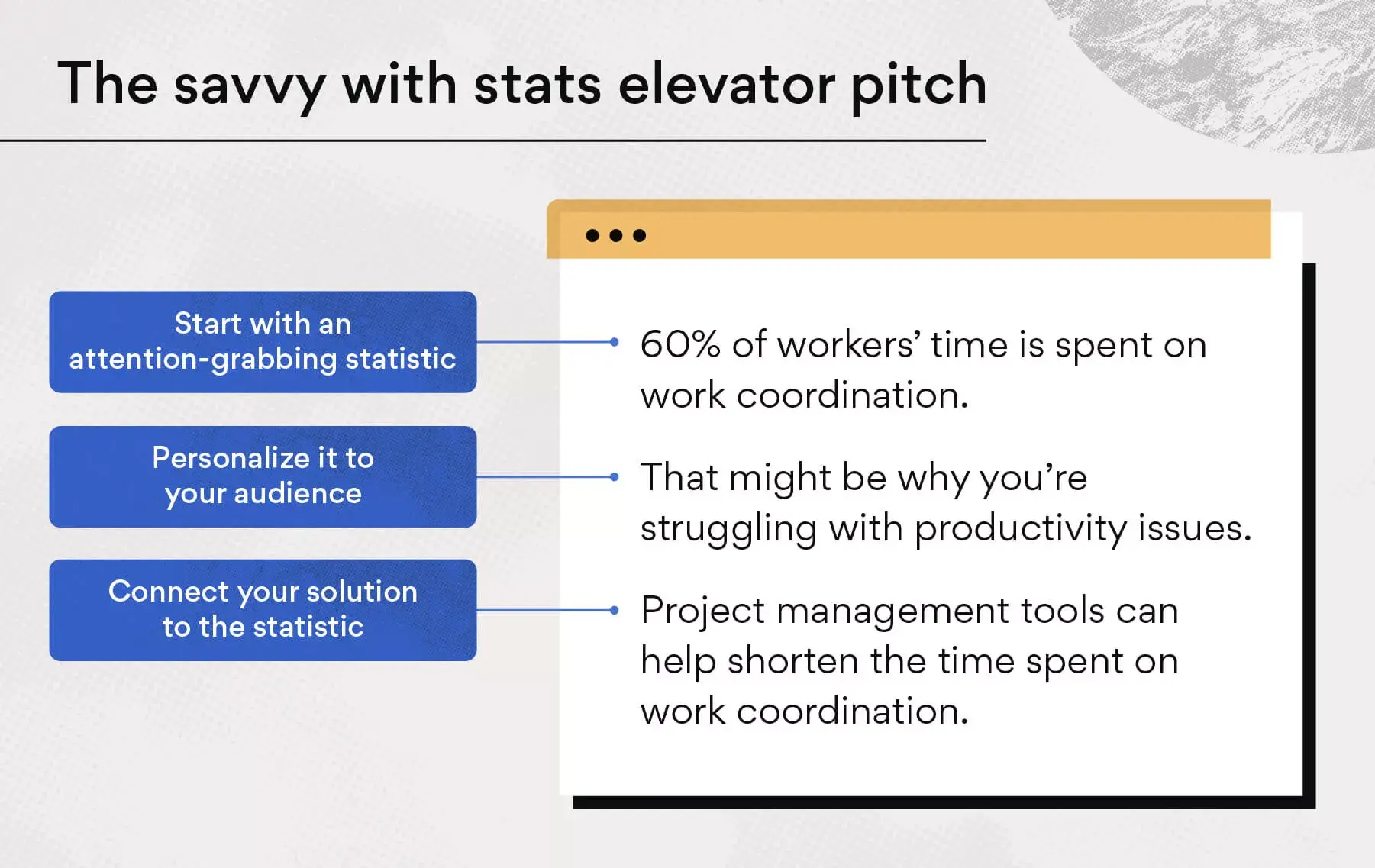
"Tim kami saat ini menghabiskan 30% waktu kerja untuk koordinasi manual yang sebenarnya bisa diotomatiskan. Ini bukan sekadar masalah efisiensi - ini berdampak langsung pada kemampuan kita untuk memenuhi deadline proyek strategis Q3. Solusi yang saya usulkan adalah implementasi platform manajemen kerja terintegrasi yang akan memangkas waktu koordinasi hingga 60% dan memberikan visibilitas real-time kepada seluruh pemangku kepentingan. Dengan investasi awal yang saya perkirakan akan kembali dalam 4 bulan, saya ingin meminta 30 menit untuk mempresentasikan proposal lengkapnya."
Tingkatkan produktivitas tim Anda dengan tips tentang cara menjadi lebih produktif di lingkungan kerja modern.
Contoh 8: Konsultan Memperkenalkan Layanan kepada Klien Baru
"Banyak perusahaan manufaktur yang berinvestasi besar dalam digitalisasi tetapi tidak mendapatkan ROI yang mereka harapkan - bukan karena teknologinya salah, tetapi karena change management-nya kurang terencana. Saya spesialis transformasi digital yang berfokus khusus pada industri manufaktur, dan pendekatan saya menggabungkan pelatihan teknis dengan program adopsi perubahan yang disesuaikan dengan budaya perusahaan. Klien terakhir saya berhasil mencapai target digitalisasi 18 bulan lebih cepat dari jadwal. Saya ingin memahami situasi spesifik perusahaan Anda - bisakah kita atur sesi discovery singkat?" Pelajari strategi terbaik untuk mempresentasikan software manajemen proyek kepada pemangku kepentingan.
Contoh 9: Pitch Satu Kalimat
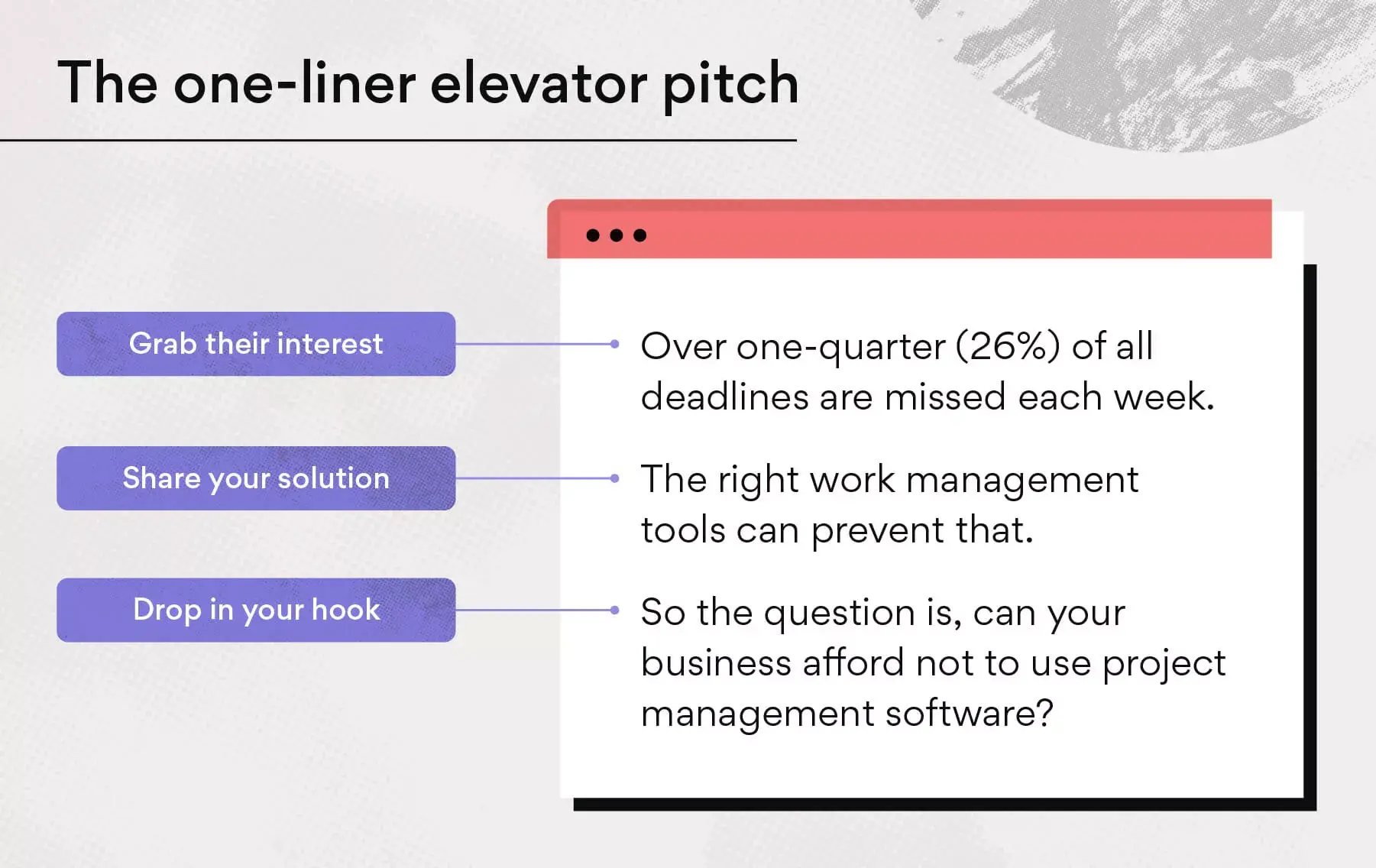
"Saya membantu perusahaan teknologi skala menengah mengubah tim yang kewalahan menjadi mesin eksekusi yang terorganisir melalui sistem manajemen kerja yang dapat diadaptasi sesuai kebutuhan unik mereka."
Pitch satu kalimat sangat berguna untuk profil LinkedIn, email perkenalan, atau situasi di mana Anda hanya punya beberapa detik untuk membuat kesan pertama. Kuncinya adalah kejelasan dan spesifisitas - hindari klaim generik yang bisa diterapkan pada siapa saja. Pelajari lebih lanjut tentang anatomi pekerjaan modern untuk memahami tantangan yang dihadapi tim saat ini.
Contoh Elevator Pitch Berdasarkan Skenario
Bagian ini menyajikan contoh elevator pitch untuk skenario yang lebih spesifik dan beragam, mencakup berbagai industri dan konteks profesional yang umum dihadapi di Indonesia.
Contoh 10: Profesional di Bidang HR
"Pergantian karyawan yang tinggi bukan hanya masalah operasional - ini adalah kebocoran biaya yang sering tidak terlihat dalam laporan keuangan. Sebagai HR Business Partner dengan spesialisasi di talent retention, saya membantu perusahaan mengidentifikasi akar penyebab turnover sebelum mereka kehilangan talenta terbaiknya. Metodologi saya menggabungkan analisis data engagement dengan program pengembangan karier yang disesuaikan - hasilnya adalah penurunan voluntary turnover rata-rata 25% dalam 12 bulan. Perusahaan Anda bergerak di industri apa? Saya ingin mendengar bagaimana tantangan talent retention di industri tersebut."
Contoh 11: Manajer Proyek Memperkenalkan Diri kepada Klien Baru
"Proyek yang melebihi anggaran dan deadline adalah masalah yang hampir universal - tetapi bukan berarti tidak bisa diatasi. Saya manajer proyek bersertifikasi PMP dengan rekam jejak 10 tahun dalam mengelola proyek infrastruktur digital senilai total lebih dari Rp 500 miliar. Pendekatan saya menitikberatkan pada transparansi real-time kepada semua pemangku kepentingan dan sistem peringatan dini untuk potensi hambatan - sehingga tidak ada kejutan di akhir proyek. Saya dengar perusahaan Anda sedang merencanakan modernisasi sistem ERP - itu area yang sangat saya kuasai."
Contoh 12: Tim Penjualan Memperkenalkan Solusi kepada Prospek
"Tim penjualan Anda mungkin sangat berbakat, tetapi jika mereka menghabiskan 40% waktu mereka untuk tugas administratif daripada menjual, Anda sedang meninggalkan pendapatan di atas meja. Platform kami mengotomatiskan pipeline management, follow-up, dan pelaporan sehingga tim Anda bisa fokus pada hal yang paling penting - membangun hubungan dan menutup deals. Pelanggan kami rata-rata melihat peningkatan revenue sebesar 23% dalam kuartal pertama penggunaan. Saya ingin menunjukkan kepada Anda bagaimana platform ini bekerja dalam konteks spesifik tim penjualan Anda."
Contoh 13: Pemimpin Tim Mempresentasikan Rencana kepada Manajemen
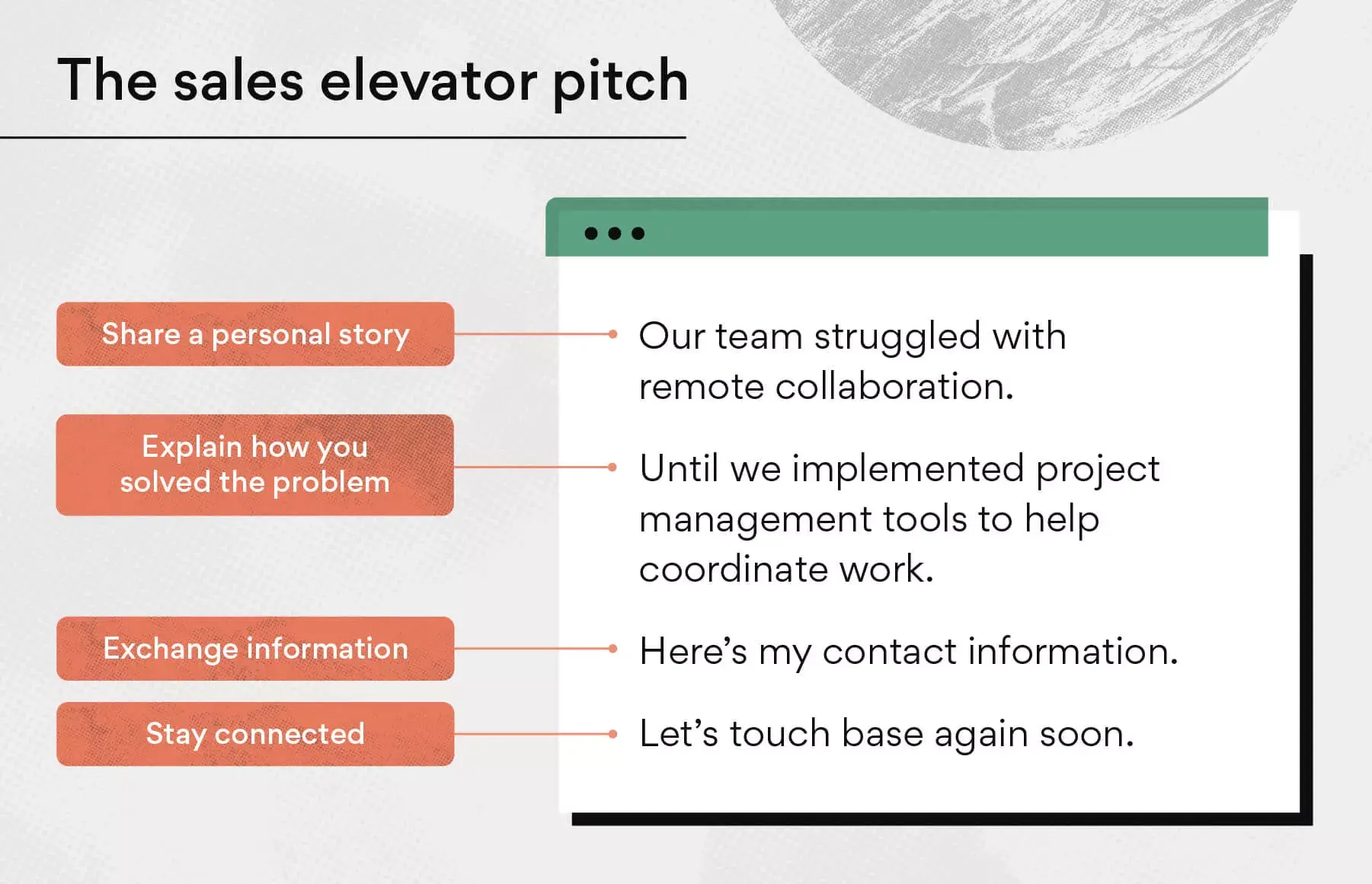
"Tim kami telah mengidentifikasi hambatan yang secara konsisten memperlambat siklus pengiriman produk kami sebesar 15-20%. Setelah analisis mendalam selama dua minggu, saya menemukan bahwa akar masalahnya adalah ketidakselarasan antara tim desain dan pengembangan dalam mendefinisikan "selesai" untuk setiap fitur. Solusi yang saya usulkan adalah framework komunikasi terintegrasi yang mencakup definisi acceptance criteria yang jelas dan checkpoint mingguan yang terstruktur. Implementasinya membutuhkan investasi waktu sekitar 5 jam di awal tetapi berpotensi menghemat 10-15 jam per sprint ke depannya. Saya sudah menyiapkan rencana implementasi lengkapnya dan ingin mendapatkan persetujuan Anda untuk memulai pilot bulan depan." Gunakan template perencanaan tujuan tim untuk memastikan seluruh tim bergerak ke arah yang sama.
Contoh 14: Profesional Muda Memperkenalkan Diri di Konferensi
"Saya baru saja menyelesaikan studi magister saya di bidang data science, tetapi yang membuat pengalaman saya berbeda adalah proyek penelitian kolaborasi saya dengan dua startup healthtech selama dua tahun terakhir. Saya mengembangkan model prediktif untuk mengidentifikasi pasien berisiko tinggi readmisi rumah sakit, dan hasilnya diimplementasikan di tiga rumah sakit di Jabodetabek. Saya sangat tertarik dengan tantangan penerapan AI di sektor layanan kesehatan Indonesia dan sedang mencari kesempatan untuk terus berkontribusi di bidang ini. Bidang apa yang sedang Anda geluti?"
Contoh 15: Pendiri Startup Memperkenalkan Diri kepada Ekosistem
"Kami membangun platform yang menghubungkan petani kecil di Indonesia langsung dengan pembeli institusional - restoran, hotel, dan supermarket - tanpa perantara yang memotong margin mereka hingga 60%. Teknologi kami memungkinkan petani mendapatkan harga yang adil sementara pembeli mendapatkan produk segar dengan traceability penuh dari ladang ke meja. Dalam 18 bulan operasional, kami telah membantu lebih dari 2.000 petani di Jawa Tengah dan Jawa Barat meningkatkan pendapatan bersih mereka rata-rata 45%. Saat ini kami dalam tahap Pre-Series A dan aktif mencari mitra strategis yang memiliki jaringan distribusi di luar Jawa."
Contoh 16: Mahasiswa di Career Fair
"Saya tahu banyak mahasiswa yang melamar pekerjaan dengan CV yang sama untuk semua perusahaan - saya melakukan hal yang berbeda. Selama kuliah di jurusan Teknik Informatika semester akhir, saya memimpin tim dari tiga universitas berbeda untuk mengembangkan aplikasi manajemen sampah berbasis IoT yang kini digunakan oleh dua kelurahan di Bandung. Pengalaman itu mengajarkan saya bukan hanya cara menulis kode, tetapi cara memimpin tim lintas disiplin untuk menghasilkan solusi nyata. Saya sangat tertarik dengan program graduate engineering di perusahaan Anda karena reputasinya dalam memberikan tanggung jawab nyata kepada anggota tim baru. Bolehkah saya menanyakan seperti apa 90 hari pertama di program tersebut biasanya berjalan?"
Contoh 17: Presentasi kepada Investor
"Setiap tahun, lebih dari 300.000 UKM di Indonesia gulung tikar bukan karena produk mereka buruk, melainkan karena mereka tidak bisa mengakses pembiayaan di saat yang tepat. Bank terlalu lambat, pinjol terlalu mahal, dan prosesnya terlalu rumit. Kami membangun platform kredit berbasis AI yang bisa memberikan keputusan pinjaman dalam 4 jam menggunakan data alternatif - bukan riwayat kredit tradisional yang kebanyakan UKM tidak miliki. Dalam 12 bulan pertama, kami telah menyalurkan Rp 85 miliar kepada 1.200 UKM dengan tingkat NPL di bawah 2,3%. Model unit economics kami menunjukkan path to profitability yang jelas di bulan ke-18. Kami sedang membuka Series A dan mencari lead investor yang memahami pasar kredit SME Asia Tenggara. Apakah Anda memiliki 20 menit untuk melihat deck kami?"
4 Kiat Menyempurnakan Elevator Pitch Anda
Memiliki naskah elevator pitch yang bagus baru merupakan setengah dari pekerjaan. Separuh lainnya adalah bagaimana Anda menyampaikannya. Berikut empat kiat untuk menyempurnakan pitch Anda dari sekadar kata-kata di atas kertas menjadi komunikasi yang benar-benar berkesan.
Latihan Berulang sampai Terasa Alami
Elevator pitch yang efektif tidak terdengar seperti teks yang dihafal - ia terdengar seperti percakapan yang mengalir alami. Satu-satunya cara mencapai level ini adalah melalui latihan berulang. Rekam diri Anda saat berlatih dan perhatikan apakah nada suara, kecepatan bicara, dan ekspresi wajah Anda mendukung pesan yang ingin Anda sampaikan. Mintalah teman atau kolega untuk menjadi pendengar kritis dan berikan umpan balik jujur tentang bagian mana yang terdengar kaku atau membingungkan. Target Anda adalah bisa menyampaikan pitch dengan percaya diri bahkan ketika Anda lelah atau gugup - artinya Anda perlu berlatih jauh melampaui titik di mana pitch terasa "cukup baik".
Variasikan skenario latihan Anda - berlatihlah di cermin, di depan tim, di situasi role-play yang menegangkan. Semakin bervariasi kondisi latihan Anda, semakin adaptif Anda ketika menghadapi situasi nyata yang tidak selalu sesuai ekspektasi.
Sesuaikan dengan Konteks dan Audiens
Tidak ada satu elevator pitch yang cocok untuk semua situasi. Seorang profesional yang cerdas memiliki beberapa versi pitch yang disesuaikan dengan audiens berbeda - versi untuk rekruter, versi untuk calon klien, versi untuk sesama profesional di bidang yang sama, dan versi untuk orang di luar industri Anda. Kuncinya adalah memahami apa yang paling relevan dan bernilai bagi setiap audiens, lalu menonjolkan aspek tersebut dalam pitch Anda.
Sebelum memasuki situasi networking atau presentasi penting, luangkan beberapa menit untuk memikirkan siapa yang akan Anda temui dan sesuaikan pembukaan serta fokus pitch Anda. Fleksibilitas ini menunjukkan kecerdasan situasional yang sangat dihargai dalam lingkungan profesional.
Perhatikan Bahasa Tubuh dan Nada Bicara
Penelitian komunikasi menunjukkan bahwa pesan yang kita sampaikan dipengaruhi lebih besar oleh cara kita mengatakannya daripada kata-kata itu sendiri. Dalam konteks elevator pitch, ini berarti kontak mata yang kuat menunjukkan kepercayaan diri dan kejujuran, postur tubuh yang tegak menandakan kompetensi, dan kecepatan bicara yang terkontrol menunjukkan ketenangan. Memahami komunikasi nonverbal secara lebih mendalam akan membantu Anda memperkuat dampak setiap pitch yang Anda sampaikan. Senyum yang tulus dan nada bicara yang antusias tanpa terkesan over-eager adalah kombinasi yang paling efektif.
Hindari bahasa tubuh yang melemahkan pesan Anda - menyilangkan tangan, menghindari kontak mata, berbicara terlalu cepat karena gugup, atau menggunakan banyak kata pengisi seperti "em" dan "uh". Rekaman video diri Anda saat berlatih adalah cara terbaik untuk mengidentifikasi kebiasaan yang mungkin tidak Anda sadari.
Akhiri dengan Pertanyaan yang Membuka Dialog
Elevator pitch yang terbaik bukan monolog - ia adalah pembuka percakapan. Mengakhiri pitch Anda dengan pertanyaan yang relevan dan spesifik kepada lawan bicara menunjukkan ketulusan minat Anda dan menciptakan ruang untuk dialog dua arah yang lebih bermakna. Pertanyaan yang baik harus cukup spesifik untuk menunjukkan bahwa Anda telah melakukan riset atau memperhatikan konteks, tetapi cukup terbuka untuk mendorong mereka berbagi perspektif mereka.
Contoh pertanyaan penutup yang efektif: "Apa tantangan terbesar yang tim Anda hadapi dalam [area relevan]?" atau "Bagaimana [tren industri tertentu] berdampak pada strategi perusahaan Anda saat ini?" Pertanyaan seperti ini menggeser dinamika dari "saya menjual kepada Anda" menjadi "kita sedang berdiskusi bersama" - dan itulah tonggak awal dari hubungan profesional yang produktif.
Kesalahan Umum Elevator Pitch yang Harus Dihindari
Mengetahui apa yang harus dilakukan sama pentingnya dengan memahami apa yang harus dihindari. Berikut empat kesalahan paling umum yang melemahkan elevator pitch bahkan dari profesional berpengalaman sekalipun.
Terlalu Panjang dan Penuh Detail yang Tidak Perlu
Salah satu kesalahan paling umum adalah mencoba memasukkan terlalu banyak informasi ke dalam elevator pitch. Godaan untuk menyebutkan setiap pencapaian, setiap fitur produk, atau setiap aspek pengalaman kerja Anda sangat kuat - tetapi harus dilawan. Pitch yang terlalu panjang kehilangan daya tariknya dan membuat lawan bicara merasa terbebani, bukan tertarik.
Ingat bahwa tujuan elevator pitch bukan untuk menyampaikan semua yang perlu diketahui tentang Anda - tujuannya adalah membuat lawan bicara ingin mengetahui lebih lanjut. Batasi diri pada satu atau dua poin terkuat, dan percayakan detail lainnya pada percakapan lanjutan. Jika Anda tidak bisa menyampaikan inti pesan dalam 60 detik, kemungkinan besar pesannya sendiri yang perlu diperjelas terlebih dahulu.
Terdengar Seperti Hafalan atau Sales Script
Lawan bicara dapat merasakan dengan cepat ketika seseorang sedang "menjual" kepada mereka daripada benar-benar berkomunikasi. Pitch yang terdengar terlalu dipoles atau seperti skrip penjualan menciptakan jarak emosional dan memicu resistensi. Ini sering terjadi ketika seseorang terlalu fokus pada kata-kata yang tepat daripada pada pesan dan koneksi yang ingin dibangun.
Solusinya adalah melatih pitch Anda hingga Anda benar-benar memahami dan percaya pada setiap kata yang Anda ucapkan - bukan sekadar menghafalnya. Ketika pemahaman yang mendalam menggantikan hafalan, pitch Anda secara alami akan terdengar lebih otentik dan percakapan-seperti. Izinkan diri Anda untuk sedikit berimprovisasi berdasarkan reaksi dan konteks lawan bicara.
Tidak Ada Call to Action yang Jelas
Elevator pitch tanpa call to action yang jelas adalah percakapan yang berakhir tanpa tujuan. Banyak profesional berhasil menyampaikan pitch yang menarik tetapi kemudian membiarkan momen berlalu tanpa mengambil langkah konkret berikutnya. Ini adalah kesempatan yang terlewat karena lawan bicara yang terkesan sekalipun jarang akan mengambil inisiatif untuk menindaklanjuti jika Anda tidak memintanya.
Setiap pitch harus memiliki satu permintaan tindakan yang spesifik, konkret, dan proporsional dengan tahap hubungan yang ada. Untuk pertemuan pertama dengan seseorang yang baru dikenal, meminta pertemuan 15 menit atau pertukaran kartu nama adalah call to action yang tepat. Hindari langsung meminta komitmen besar seperti kontrak atau investasi dalam pertemuan pertama - bangun kepercayaan terlebih dahulu.
Mengabaikan Kebutuhan dan Perspektif Lawan Bicara
Elevator pitch yang berpusat sepenuhnya pada diri Anda atau produk Anda tanpa mempertimbangkan relevansinya bagi lawan bicara adalah pitch yang gagal sebelum dimulai. Manusia secara alami lebih tertarik pada hal-hal yang relevan dengan kebutuhan dan tantangan mereka sendiri. Pitch yang terbaik selalu dimulai dari pemahaman mendalam tentang situasi lawan bicara, bukan dari keinginan untuk memperkenalkan diri atau produk.
Sebelum menyampaikan pitch, luangkan waktu - bahkan hanya beberapa detik - untuk memperhatikan konteks dan mempertimbangkan apa yang kemungkinan paling relevan bagi mereka. Tunjukkan dengan jelas bagaimana apa yang Anda tawarkan berhubungan langsung dengan kebutuhan atau tujuan mereka. Pitch yang terasa seperti solusi untuk masalah mereka jauh lebih meyakinkan daripada pitch yang sekadar mendaftarkan keunggulan Anda.
Berikan Kesan Pertama yang Kuat dengan Elevator Pitch Anda
Elevator pitch yang efektif adalah keterampilan yang dapat dipelajari, dilatih, dan disempurnakan oleh siapa pun - tidak peduli latar belakang atau tingkat pengalaman Anda. Sepanjang panduan ini, kita telah membahas semua elemen kunci yang membangun elevator pitch yang kuat: dari memahami audiens dan menyusun hook yang menarik, hingga menyampaikan nilai unik dengan bukti konkret dan mengakhiri dengan call to action yang jelas.
Tujuh belas elevator pitch contoh yang tersaji dalam artikel ini memberikan Anda referensi konkret untuk berbagai skenario - mulai dari wawancara kerja dan networking profesional, hingga presentasi kepada investor dan mahasiswa yang baru memasuki dunia kerja. Gunakan contoh-contoh ini sebagai inspirasi dan adaptasikan ke konteks spesifik Anda sendiri. Jadikan elevator pitch sebagai bagian dari tujuan profesional Anda untuk terus dikembangkan sepanjang karier.
Namun, kemampuan berkomunikasi secara efektif tidak hanya berhenti pada perkenalan singkat. Setelah elevator pitch membuka pintu, dibutuhkan koordinasi tim yang solid, eksekusi proyek yang terorganisir, dan visibilitas kerja yang jelas untuk menindaklanjuti setiap peluang yang muncul. Di sinilah Asana berperan - sebagai platform manajemen kerja yang membantu tim Anda mengeksekusi dengan presisi, berkolaborasi tanpa hambatan, dan memastikan setiap komitmen yang Anda buat dalam elevator pitch benar-benar terwujud.
Mulai koordinasikan tim Anda lebih efektif hari ini. Daftar ke Asana dan rasakan perbedaannya.
Coba Asana gratis
Pertanyaan Umum tentang Elevator Pitch
Elevator pitch adalah presentasi singkat berdurasi 30-60 detik yang dirancang untuk memperkenalkan diri, produk, layanan, atau gagasan Anda secara ringkas dan meyakinkan. Istilah ini berasal dari skenario pertemuan singkat dalam lift dengan seseorang yang berpengaruh. Elevator pitch penting karena kesan pertama terbentuk dalam hitungan detik, dan kemampuan menyampaikan nilai Anda secara efektif menentukan apakah peluang profesional akan terbuka atau tertutup.
Durasi ideal elevator pitch berkisar antara 30 hingga 60 detik, setara dengan sekitar 75-150 kata. Untuk konteks wawancara kerja, pitch bisa diperpanjang hingga 90 detik untuk memberikan ruang menyampaikan latar belakang yang lebih lengkap. Untuk networking dan pertemuan singkat, 30-45 detik adalah waktu yang optimal - cukup untuk menyampaikan inti pesan tanpa kehilangan perhatian lawan bicara.
Elevator pitch yang efektif memiliki lima komponen utama: hook atau pembuka yang menarik perhatian, perkenalan singkat tentang siapa Anda dan apa yang Anda lakukan, proposisi nilai yang jelas tentang manfaat yang Anda tawarkan, bukti konkret atau pembeda yang membuat Anda atau solusi Anda unik, serta call to action yang mengundang langkah konkret berikutnya. Kelima elemen ini harus mengalir secara alami dalam satu narasi yang terasa seperti percakapan, bukan daftar poin.
Untuk wawancara kerja, elevator pitch biasanya menjadi jawaban dari pertanyaan "Ceritakan tentang diri Anda." Mulai dengan ringkasan latar belakang pendidikan atau pengalaman yang paling relevan, lanjutkan dengan satu atau dua pencapaian konkret yang dapat diukur, kemudian jelaskan mengapa posisi ini relevan dengan arah karier yang Anda tuju. Akhiri dengan menghubungkan nilai yang Anda tawarkan dengan tantangan spesifik yang dihadapi perusahaan tersebut - ini menunjukkan bahwa Anda telah melakukan riset dan benar-benar tertarik, bukan sekadar mencari pekerjaan mana saja.
Elevator pitch berbeda dari presentasi biasa dalam tiga hal utama: durasi, kedalaman, dan tujuan. Presentasi biasa berlangsung 15-60 menit dan bertujuan menyampaikan informasi lengkap dengan konteks mendalam, sedangkan elevator pitch berlangsung maksimal 2 menit dan bertujuan membangkitkan minat serta membuka percakapan lanjutan. Elevator pitch juga bersifat percakapan dan adaptif, sementara presentasi biasanya memiliki struktur formal yang lebih kaku dan membutuhkan persiapan materi visual seperti slide.
Cara paling efektif melatih elevator pitch adalah kombinasi latihan solo dan latihan dengan audiens nyata. Mulai dengan merekam diri sendiri menggunakan kamera untuk mengidentifikasi kebiasaan yang tidak disadari seperti kata-kata pengisi atau bahasa tubuh yang kurang meyakinkan. Berlatihlah di depan teman atau kolega yang bisa memberikan umpan balik konstruktif. Kemudian, uji pitch Anda dalam situasi nyata yang "berisiko rendah" seperti acara networking informal sebelum membawanya ke situasi yang lebih kritis seperti wawancara penting atau pertemuan dengan investor.