


Diakui sebagai pemimpin

Projects are spread across tools and inboxes
Pemimpin dalam Manajemen Kerja Kolaboratif selama tiga tahun berturut-turut

No shared view of progress and deadlines
Pemimpin dalam Perangkat Lunak Manajemen Kerja dan OKR dengan lebih dari 12.000 ulasan pengguna

Status updates eat the week
Every Friday, you chase updates and paste them into a deck. Then Monday's check-in runs on Friday's information, because that's the last time anyone pulled it all together. It's stale before anyone reads it. Across every project you run, manual reporting turns into a second job.
This is exactly what we built Asana to fix.
How Asana works as project management software
Asana is the project management system where every piece of your team's work connects. Mark a task complete, and the timeline, dashboards, and project progress update with it.
One home for every project
Everyone works from the same project plan, and nobody hunts across tools to find the latest version. In Asana, every task in a project has an owner and a due date, all in one shared workspace. Open it as a list, board, timeline, or calendar, and it's still the same project underneath. Switch views anytime without rebuilding the plan or re-entering a single date.

See progress and deadlines in real time
Timeline in Asana maps every task against its dates, and dependencies link the work that has to happen in order. If a task slips, the timeline shows which work downstream is affected before anyone misses a date. A status on each project shows what's on track and what's at risk.

Automate the busywork
With workflow automation, Rules handle the steps you'd otherwise repeat by hand, like assigning a task when it changes stages or sending a reminder before a due date. Reporting dashboards pull from live project data, so the weekly roll-up is already built. AI Studio adds AI-powered steps, like routing incoming requests, to the workflows your team designs.

Scale from one team to the whole company
Start with one team's project, and the same project management software grows with you. Portfolios show the status of related projects in one view, so a program lead can check 10 launches without opening 10 projects. Goals connect that work to the company targets it supports. New teams join with the same views, so there's no second project management tool to roll out.

Purpose-built for the teams that keep work moving
Asana works for whoever's on the hook to get work out the door. Here's how three kinds of teams use the same project management software.

![[Tim] Operasi (bagikan gambar)](https://assets.asana.biz/transform/4ee3fb81-de64-4e85-91f8-34177eb1df2f/WEB-PNG-teams-operations-hero-1x1-en_us?io=transform:fill,width:2560&format=webp)
![[Tim] Pemasaran (bagikan gambar)](https://assets.asana.biz/transform/36811008-2c6c-4594-9a15-2fed22f8876f/WEB-PNG-teams-marketing-hero-1-1x1-en_us?io=transform:fill,width:2560&format=webp)

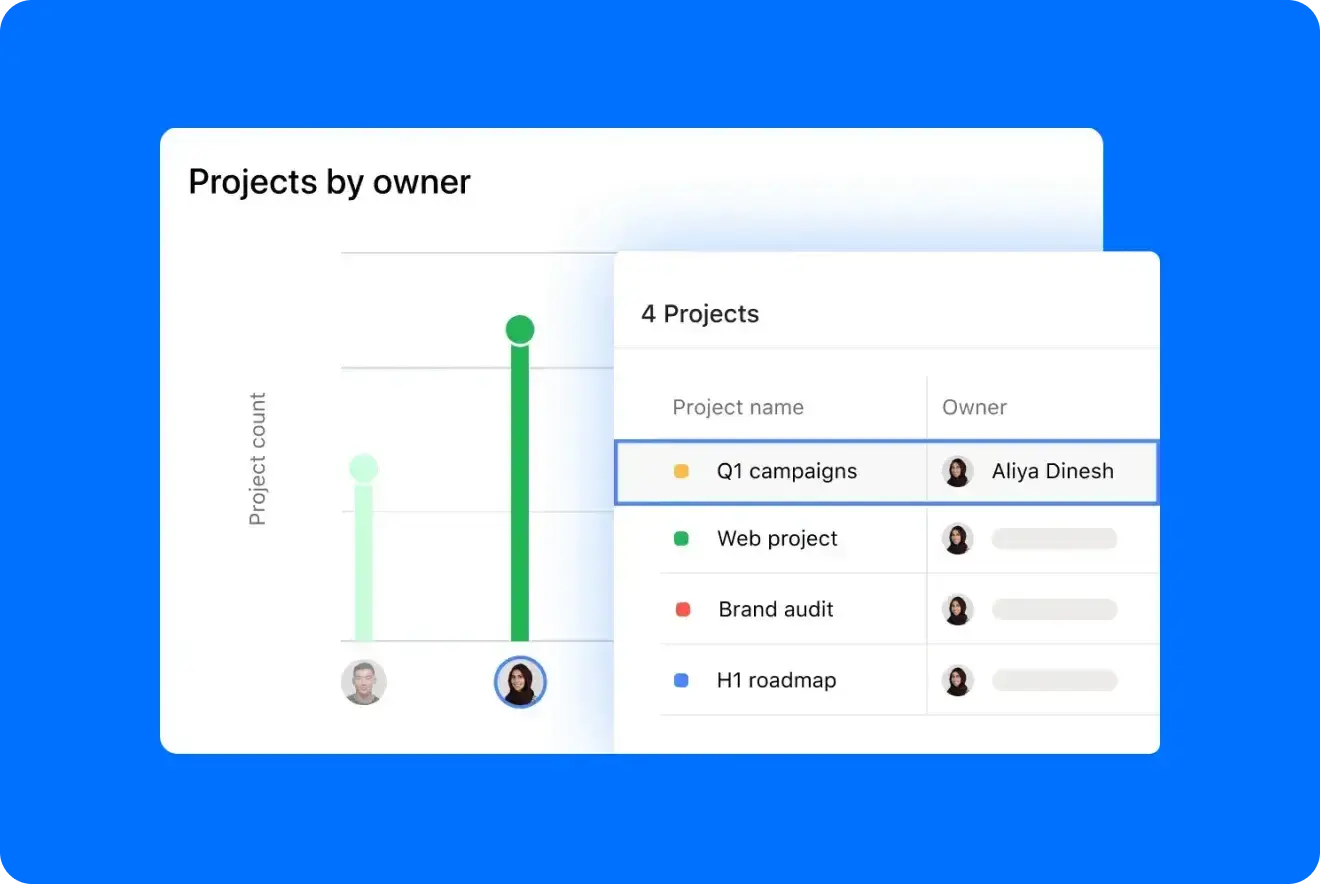
See all your plans in one view
You own the deadline, but the status is spread across five tools, and you're the one stitching it together every week. Asana gives project and ops leads one plan for every project, with owners, due dates, and dependencies in a single view. You can see what's on track and step in before a date slips, and the plan stays current without a weekly status deck to rebuild.
Social Driver now handles 3.5x as many projects.
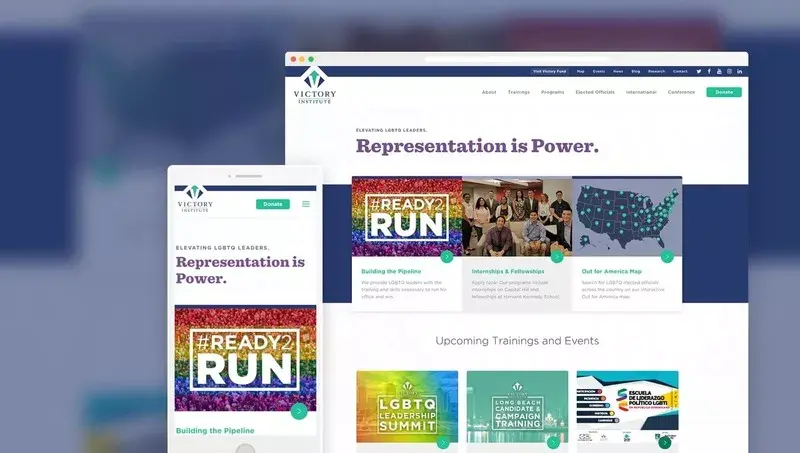
Social Driver is a 50-person digital agency and creative studio that runs social campaigns, websites, and digital content for its clients. After moving project planning into Asana, the team doubled the number of clients it serves and cut the time spent in weekly sprint planning by 75%.

Asana has made everything at Social Driver more efficient. Project managers can now manage more projects than before because everyone is aligned on the plan, responsibilities, and progress.Leslie Albrecht
Vice President of Operations, Social Driver
Get your team on one plan
Give your team one shared plan for every project, and the guesswork goes away. Everyone knows what they own and when it's due, and the time you spent chasing updates goes toward running projects. Set up one project first, then bring the rest in when you're ready.
Frequently asked questions about project management software
Project management software is a single place where a team plans a project and tracks it to its deadline, so work isn't scattered across spreadsheets and chat. Unlike a to-do app, project management software connects each task to the people and deadlines around it. Asana is built for this. For the basics of planning and running a project in Asana, see our guide to project management.
Project management software keeps everything about a project in one place, from who's doing each task to how the dates depend on each other. It also automates routine updates. In Asana, you can switch the same plan between views, like a board or a timeline, so each team works the way it prefers.
The terms are mostly interchangeable. A project management app usually refers to how you access it, like on your phone. A project management tool can mean a single capability, while software means the full platform. Asana is all three: web-based, desktop, and mobile apps on one platform.
Yes. Asana offers free project management software options. Paid plans add more features, including Timeline and Gantt views on Starter and Portfolios and Goals on Advanced. See Asana pricing, or compare the best project management software for more free options.
Asana puts every project, task, owner, and deadline in one shared workspace. You can view each project as a list, board, timeline, or calendar, while automations handle routine updates and dashboards keep status current. It also connects to the tools your team already uses, like Slack and Google Drive.
Asana works for both complex and simple projects. A single team can run its projects in Asana, and the same workspace scales to cross-functional programs with Portfolios, Goals, and cross-project dependencies. If you need deep project portfolio management, like financial modeling or formal stage-gate approvals, pair Asana with a dedicated tool.
Yes. Asana is built for company-wide use, with enterprise security and admin controls. It holds certifications including SOC 2 Type II and ISO 27001, and admins can require SAML single sign-on on Enterprise plans. Visit the Asana Trust Center for the full, current list of certifications and policies.
Yes, Asana connects with the apps your team already works in, including Slack, Google Drive, Microsoft Teams, Zoom, and Salesforce. Turn a Slack message into a task, and it lands in the same shared plan as everything else. Browse every option in the Asana app directory.