


Asana mendukung transformasi Fujitsu menjadi "Fujitra", masa depan yang terhubung oleh tim yang terhubung
Fujitsu Limited, salah satu integrator sistem terkemuka dan produsen elektronik komprehensif di Jepang, telah mengembangkan proyek transformasi digital (DX) tingkat perusahaan yang disebut "Fujitsu Transformation" (singkatan: Fujitra) sejak 2020, dengan tujuan memperkuat daya saingnya di era digital. Proyek ini tidak hanya mencakup produk, layanan, dan model bisnis, tetapi juga proses bisnis, organisasi, budaya perusahaan, dan iklim.

Mencapai peningkatan efisiensi sebesar 30% dengan menata pekerjaan
Tampilan keseluruhan proyek, serta korelasi antara tugas dan pemangku kepentingan dan prioritas mereka, dapat divisualisasikan dengan lebih baik--memungkinkan pelaksanaan tugas yang lebih efisien.
Transfer pengetahuan dan pengalaman yang lebih baik
Dengan membuat pustaka cara kerja yang efisien, semua orang dapat menikmati pengetahuan dan pengalaman di seluruh organisasi, dan dampaknya diperkirakan akan meningkat.
Buat keputusan berdasarkan data
Manfaatkan data untuk menganalisis produktivitas tim dan efisiensi kerja individu secara objektif, yang akan menghasilkan gaya kerja yang lebih baik.
Fujitra menangani isu-isu penting dari tingkat manajemen hingga lapangan, seperti menciptakan bisnis baru, meningkatkan pertumbuhan dan profitabilitas bisnis, menstandarkan dan menyederhanakan proses, serta meningkatkan sistem SDM dan lingkungan kerja. Fujitsu memilih Asana sebagai alat hub untuk proyek ini. Kami berbicara dengan Bapak Joju Fukuda, EVP CDXO dan CIO, yang memimpin Fujitra, dan anggota lainnya yang menggunakan Asana setiap hari, tentang latar belakang implementasi dan dampaknya.
Fujitsu sedang mengerjakan DX di seluruh perusahaan untuk memperkuat daya saingnya di era digital
Fujitsu menyediakan berbagai layanan di bidang teknologi informasi dan komunikasi (TIK), termasuk integrasi sistem, layanan TI, layanan jaringan, dan perangkat elektronik. Dalam beberapa tahun terakhir, perusahaan juga berfokus pada pengembangan layanan cloud dan teknologi kecerdasan buatan (AI), serta telah mendorong industri TIK melalui pengalaman dan teknologi inovatifnya.
Proyek DX Fujitsu di seluruh perusahaan, "Fujitra", bertujuan untuk meningkatkan efisiensi operasional dan menciptakan nilai baru dengan mempromosikan digitalisasi dalam perusahaan. Proyek ini didasarkan pada tujuan perusahaan untuk "menghadirkan kepercayaan kepada masyarakat dan menjadikan dunia lebih berkelanjutan melalui inovasi" agar menjadi perusahaan yang sesuai dengan era yang berubah dengan cepat. Upaya dan pencapaian Fujitra telah sangat berkontribusi pada pengembangan solusi dan layanannya sendiri, dan misinya adalah memecahkan isu sosial sebagai mitra DX yang andal bagi pelanggan dengan memanfaatkan teknologi digital berdasarkan pengalaman nyata.
Fujitra dipimpin oleh CDXO (Chief Digital Transformation Officer) dan CIO, Tuan Fukuda, yang merupakan pemimpin proyek, dan mempromosikan "partisipasi penuh" sambil memimpin bersama semua anggota manajemen. DXO (DX Officer) telah ditetapkan di bagian utama, perusahaan grup, serta negara dan wilayah di luar negeri. Kami telah menciptakan komunitas yang terdiri dari sekitar 60 DXO, dan All Fujitsu telah membangun sistem terbaik secara keseluruhan untuk bekerja sebagai Tim.
Bapak Fukuda, yang memimpin Fujitsu, mengatakan, "Peran Fujitsu adalah berfokus pada berbagai kemungkinan seperti teknologi, TI, data, aplikasi ponsel cerdas, SNS internal, dan optimasi biaya melalui standarisasi proses bisnis, serta mengubahnya menjadi proyek sehingga grup global dapat bekerja sama lintas Bagian untuk mempromosikannya."
Mengatasi kendala tempat dan waktu Anda bekerja untuk meningkatkan produktivitas sebesar 40%
Fujitsu telah menetapkan gol untuk meningkatkan produktivitas per pegawai sebesar 40% selama tiga tahun sebagai bagian dari rencana manajemen jangka menengahnya yang dimulai pada April 2023. Gol utama adalah meningkatkan profit dan hasil bisnis dengan meningkatkan produktivitas. Untuk mencapai hal ini, pegawai harus dapat mencurahkan lebih banyak waktu dan energi untuk pekerjaan strategis yang menjadi tugas mereka.
Sebagai gerbang menuju transformasi, kami menyebarkan Asana secara global di seluruh Bagian dan wilayah, meningkatkan kekuatan tim sekaligus mengatasi perbedaan waktu. Meskipun secara fisik kita terpisah, kita dapat membangun hubungan saling percaya yang lebih erat dari sebelumnya. Kami yakin berbagai perubahan dan evolusi akan terjadi di semua bidang, seperti memperjelas siapa yang akan melakukan apa dan hingga kapan, serta dapat berkonsultasi satu sama lain sesuai kebutuhan, yang pada akhirnya akan mencapai peningkatan produktivitas sebesar 40%.Tn. Fukuda
Bapak Fukuda juga menyentuh penyebaran alat digital baru-baru ini, dengan mengatakan, "Dalam kehidupan pribadi saya, saya dapat dengan mudah mengobrol dan menggunakan media sosial untuk tetap berhubungan dengan kenalan yang sudah bertahun-tahun tidak saya jumpai. Di era seperti ini, banyak orang mungkin mempertanyakan apakah menggunakan email untuk berkomunikasi dengan orang lain dalam bisnis akan menghasilkan produktivitas yang lebih baik."
Bapak Fukuda mengatakan bahwa alasan dia tertarik dengan Asana adalah karena perusahaan-perusahaan yang berbasis di Silicon Valley di pantai barat Amerika Serikat satu demi satu mengadopsinya.
Fujitsu, seperti perusahaan di Silicon Valley, menghadapi persaingan yang ketat dan tingkat pergantian pegawai yang tinggi, jadi kami perlu menghilangkan bias personal. Saya mendengar bahwa perusahaan-perusahaan seperti itu menjadikan Asana sebagai alat standar mereka, dan saya pikir alat ini adalah alat yang tepat.Tn. Fukuda
Menyusun pekerjaan dan meneruskan pengetahuan. Asana mendukung pengambilan keputusan berbasis data
Bapak Fukuda menyebutkan beberapa manfaat menggunakan Asana. Salah satunya adalah "penstrukturan menyeluruh." Alih-alih memulai pekerjaan dengan cara yang tidak jelas, penting untuk terlebih dahulu memahami gambaran keseluruhan dan mengidentifikasi Tugas yang harus diprioritaskan. Misalnya, perlu dipahami secara struktural semua informasi yang diperlukan untuk proyek, seperti tugas yang harus diprioritaskan selama jam kerja pada hari itu, kaitan antara tugas-tugas, seperti fakta bahwa proses berikutnya tidak dapat dimulai sebelum proses sebelumnya selesai, dan fase yang memerlukan tindakan orang lain.
Bapak Fukuda mengatakan bahwa Asana secara alami menyusun dan memvisualisasikan proses kerja, memungkinkan dia untuk meningkatkan kepercayaan dan produktivitas sekaligus menghilangkan pemborosan.
Komunikasi dengan sekretaris saya, yang dulu saya lakukan melalui email dan obrolan, telah disederhanakan dengan menggunakan Asana. Prioritas Tugas diatur, dan progres dapat dilihat dengan cepat. Dengan mengurangi percakapan yang tidak perlu dan mempermudah menyelaraskan pemikiran saya dengan sekretaris, saya dapat mengelola tugas tanpa stres. Meningkatkan kepercayaan dan memaksimalkan hasil antara dua orang jelas merupakan nilai tambah.
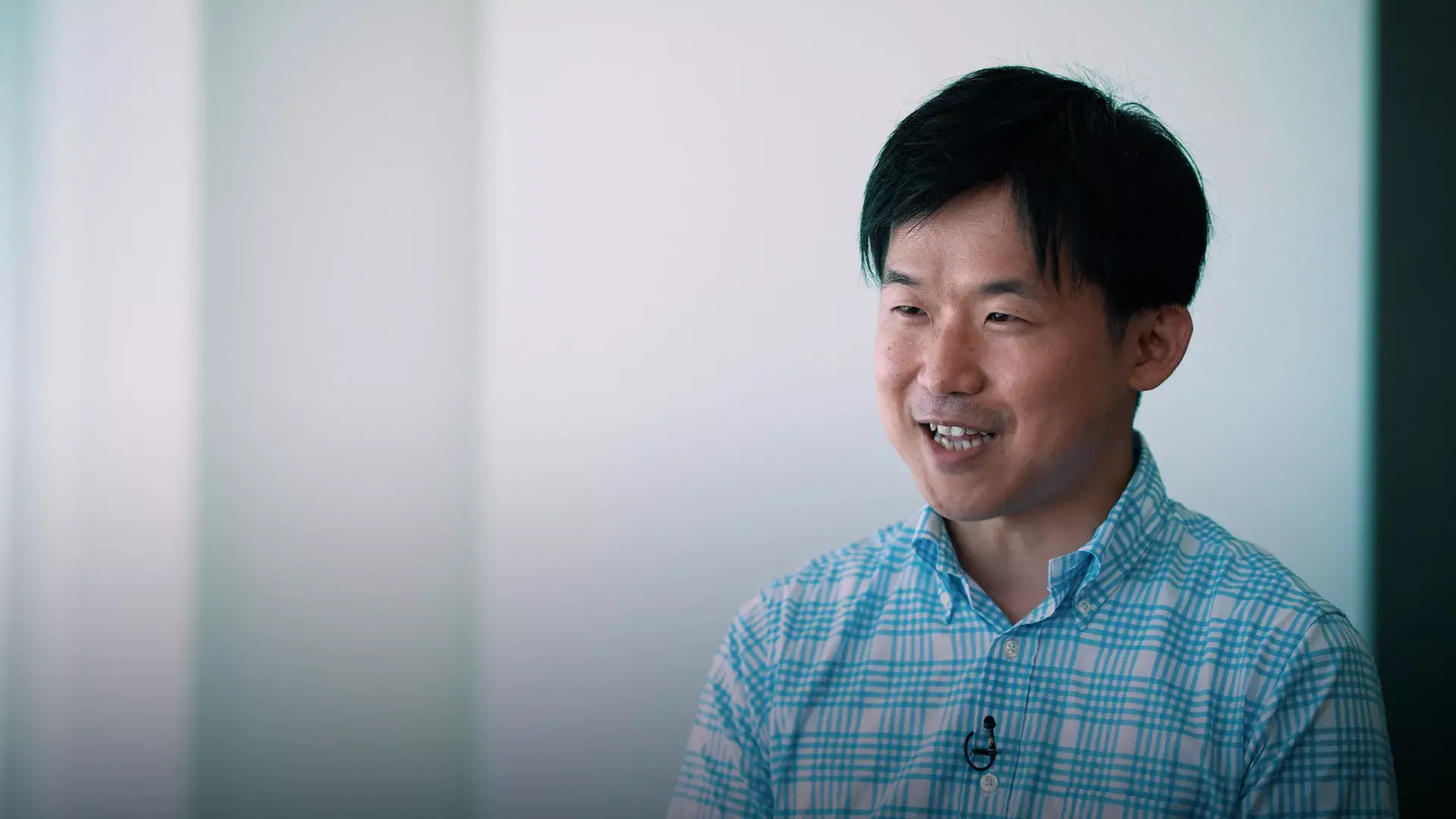
Selain itu, fakta bahwa semua orang dapat melihat progres tugas juga telah meningkatkan efisiensi bagi seluruh tim. Osamu Yuzuki, CIO Office Manager di Kantor Pusat Platform Sistem Digital, mengatakan, "Tim yang menggunakan Asana sering menemukan bahwa waktu yang dihabiskan untuk kerja tentang kerja, seperti menyiapkan dokumen, melapor kepada atasan, dan menghadiri rapat, berkurang sekitar 30%. Menurut saya, ini karena tugas pegawai divisualisasikan dan mereka dapat melaksanakannya dengan benar."
Manfaat kedua adalah "warisan pengetahuan dan pengalaman." Gaya kerja yang efisien di bagian dan tim, khususnya gaya kerja anggota berkinerja tinggi, diubah menjadi Pustaka dan diterapkan ke anggota lain. Asana memungkinkan Anda untuk berbagi, menyalin, dan menggunakan cara yang efisien untuk melanjutkan pekerjaan tertentu, serta templat yang berguna saat memulai pekerjaan. Anda dapat memformalkan pengetahuan dan pengalaman di tingkat organisasi dan menyebarkannya ke seluruh perusahaan.
Kegunaan Asana juga dinilai sangat baik. Ta Ishibashi, CIO Kantor Pusat Platform Sistem Digital, mengatakan, "Fujitsu memiliki banyak bagian, dan ada situasi ketika transparansi jadwal berkurang karena upaya yang rumit, tetapi sekarang kami menggunakan Asana untuk meningkatkan manajemen tugas untuk setiap bagian. Salah satu aspek menarik dari Asana adalah UI/UX-nya. Asana memiliki mekanisme bawaan yang memungkinkan Anda untuk berkonsentrasi pada pekerjaan, dan UI-nya ringan dan menyenangkan, sehingga mudah digunakan oleh orang-orang dari semua tingkat."
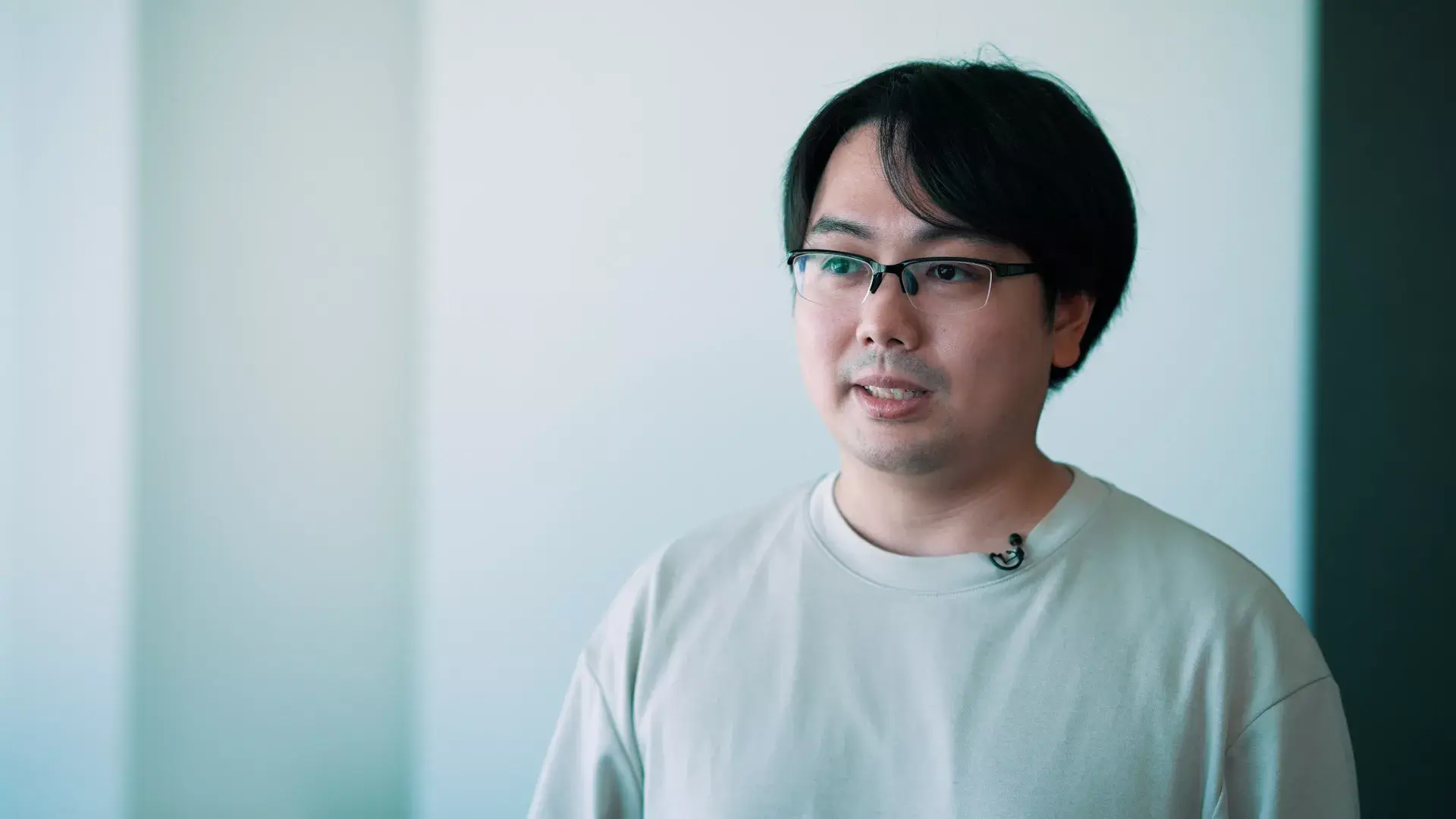
Pengambilan keputusan berbasis data juga didorong. Bapak Fukuda mengatakan, "Dunia saat ini berbasis data. Hal yang penting adalah memvisualisasikan berbagai hal secara objektif dari perspektif data. Contohnya, Anda dapat memastikan secara logis dan objektif bahwa Tim B lebih produktif daripada Tim A, atau tugas mana yang baru-baru ini menghabiskan terlalu banyak waktu Anda. Data yang selalu ditampilkan di Asana mempermudah Anda untuk mencapai gaya kerja yang ideal bagi Anda dan organisasi Anda," jelas Bapak Fukuda.
Menyebarkan efek positif dengan memungkinkan pegawai bekerja dengan cara mereka sendiri
Fujitsu telah merasakan berbagai manfaat dari penggunaan Asana, tetapi kunci untuk memaksimalkan manfaat ini di masa depan adalah adopsi Asana secara luas. Mr. Fukuda mengatakan, "Saat ini, ribuan orang menggunakannya, tetapi saya pikir efeknya akan dimaksimalkan di seluruh organisasi hanya ketika mencapai puluhan ribu orang. Ini hanya berarti jika semua orang menggunakannya."
Selain itu, kami percaya bahwa efek sinergis dapat diperoleh dengan meningkatkan "kualitas" penggunaan secara paralel. Untuk menyampaikan "pengetahuan" dan "pengalaman" yang lebih baik, templat dan pustaka yang luar biasa harus dibagikan. Oleh karena itu, menyempurnakan cara menggunakannya dalam bagian dan tim melalui penggunaan sehari-hari akan menghasilkan pemanfaatan maksimal "pengetahuan" dan "pengalaman".
Kami juga berencana untuk memperkuat kolaborasi kami dengan data dan teknologi digital untuk lebih meningkatkan efisiensi. Misalnya, kami juga akan mengeksplorasi pendekatan yang menggabungkan data dan teknologi terbaru, seperti AI yang mendeteksi dan menunjukkan masalah terkait progres pekerjaan, dan RPA yang secara otomatis terhubung ke proses berikutnya saat tugas selesai di Asana.
Bapak Fukuda menyimpulkan dengan mengatakan, "Banyak orang berpikir bahwa mereka 'tidak ingin bekerja'. Pekerjaan adalah sarana untuk hidup, dan idealnya adalah dapat melakukannya secara efisien dalam waktu singkat dengan stres seminimal mungkin. Dan gol utamanya adalah mampu mencurahkan energi untuk tujuan awal, kesenangan, dan kepuasan. Saya juga percaya bahwa saling membantu akan mengarah pada manfaat dan kebahagiaan menjadi bagian dari perusahaan. Menyampaikan dan mengusulkan ide ini kepada pelanggan akan mengarah pada Business, yang merupakan siklus yang baik. Kami ingin menciptakan efek positif seperti itu."
Mampu melakukan pekerjaan yang Anda inginkan adalah langkah pertama menuju kesejahteraan. Di Fujitsu, kami bertujuan mewujudkan hal ini melalui promosi Fujitra, dan dengan menghubungkan tim yang berpusat pada Asana, kami bertujuan menuju masa depan yang positif, tidak hanya bagi diri kami sendiri, tetapi juga bagi masyarakat.
Hubungkan dan tingkatkan pekerjaan Anda
Berdayakan seluruh organisasi Anda untuk memberikan hasil yang terbaik dengan Asana.