


Stand.earth mendukung advokasi lingkungan dan penggalangan dana dengan Asana
Tahun lalu, lebih dari enam miliar cangkir Starbucks dibuang, industri tekstil menggunakan lebih dari 378 miliar liter air, dan kapal pesiar mengeluarkan hampir sepuluh kali lebih banyak oksida sulfur di sekitar pesisir Eropa dibandingkan semua mobil di Eropa. Dampak terhadap lingkungan ini sangat besar, tetapi juga merupakan peluang besar. Stand.earth adalah lembaga advokasi lingkungan nirlaba yang memberdayakan dan mendorong perusahaan dan pemerintah untuk mengutamakan lingkungan. Bagi mereka, hal-hal seperti cangkir kopi, kapal pesiar, dan celana jins merupakan kesempatan untuk mengubah industri dan meminimalkan dampak individu maupun perusahaan terhadap lingkungan. Mereka berupaya meningkatkan kesadaran agar semua orang dapat membuat pilihan yang lebih matang dan berkelanjutan.


Peningkatan lead 10%
Mengidentifikasi 10% lebih banyak prospek baru karena proses riset prospek lebih efisien dan informasi terpusat
Transparansi yang lebih baik
Membangun model pertumbuhan pendanaan 17% karena tim telah meningkatkan transparansi dan memiliki Alur Kerja yang jelas
Proses yang mapan
Membangun sistem manajemen proyek dan akuntabilitas di seluruh organisasi untuk memungkinkan pertumbuhan yang terukur
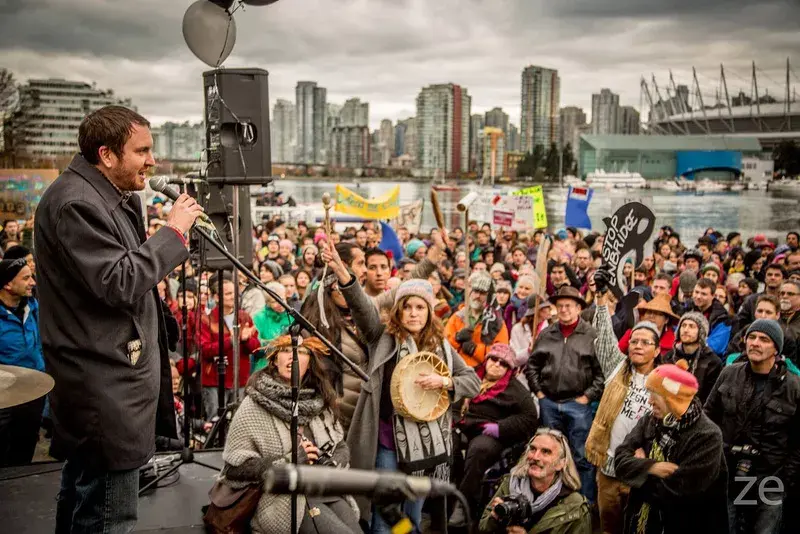
Sebagian besar pekerjaan organisasi nirlaba adalah penggalangan dana. Di Stand.earth, hampir 80% upaya penggalangan dana mereka berfokus pada yayasan. Direktur Pengembangan Stand.earth, Stephen Danner, mengawasi Tim Hibah mereka, yang bertanggung jawab untuk menyusun proposal dan presentasi untuk mengamankan hibah dan pendanaan bagi organisasi. Ini adalah proses yang sensitif terhadap waktu dan berorientasi pada detail, yang mengharuskan tim untuk mengelola batas waktu aplikasi, kebutuhan kepatuhan, dan daftar panjang dokumen yang diperlukan. Dan sebagai organisasi nirlaba menengah yang bersaing untuk mendapatkan pendanaan dengan organisasi besar yang 10X lebih besar, mereka harus mengirimkan aplikasi sebelum batas waktu dengan menggunakan cerita naratif, fiskal, dan visual paling menarik yang tersedia. Namun, seiring bertambahnya anggota tim, serta proyek dan peluang pendanaan yang datang, mereka kesulitan untuk:
Menyelaraskan pemahaman semua orang dalam tim karena informasi tersebar
Menyampaikan proposal tepat waktu untuk memenuhi batas waktu hibah yang ketat
Menanggapi peluang mendesak dan permintaan informal, yang menambah beban kerja yang sudah penuh dengan 15+ pengajuan formal per bulan karena detail terlewat
Akibatnya, mereka perlu menerapkan sistem Manajemen Kerja terpusat yang akan menyiapkan seluruh organisasi untuk pertumbuhan yang terukur.
Menemukan satu alat untuk bekerja sama dengan lebih efektif
Tim kepemimpinan Stand.earth merasa organisasi menggunakan terlalu banyak Alat manajemen proyek dan membutuhkan satu cara yang koheren untuk bekerja sama. Selain frustrasi tersebut, tim kekurangan akuntabilitas dan kepemilikan tanpa sumber kebenaran. Ini berdampak pada budaya internal karena rekan tim tidak menindaklanjuti seperti yang diharapkan oleh pemimpin tim dan tim mulai mengalami tanda-tanda awal hilangnya kepercayaan.
Kami perlu memusatkan pekerjaan kami ke dalam satu alat platform karena setiap tim menggunakan alat yang berbeda, yang menyebabkan miskomunikasi dan inefisiensi.
Memusatkan seluruh organisasi pada satu alat akan menjadi upaya besar, tetapi juga memiliki dampak positif yang besar pada perencanaan, kolaborasi, dan semangat kerja. Stephen memulai dengan mengumpulkan kebutuhan dan persyaratan setiap tim sehingga mereka memiliki serangkaian kriteria evaluasi yang jelas. Daftar tiga puluh lima item mencakup semuanya: fungsionalitas manajemen proyek, biaya, integrasi dan automasi, berbagai tampilan proyek, dan akses tamu.

Kemudian, mereka mengumpulkan rekomendasi dari tim dan meninjau lima belas kemungkinan berbeda. Setelah mengevaluasi setiap alat, Asana menjadi yang terbaik. Asana memenuhi semua kriteria yang dibutuhkan tim, dan kemudahan serta antarmukanya membuat orang-orang tertarik. Selain fungsionalitas Asana, mereka juga berhasil mendapatkan diskon nirlaba Asana.
Saat mereka bersiap untuk menerapkan Asana, Stephen menyusun materi pelatihan bagi pegawai untuk mempelajari cara menggunakan Asana, termasuk pelatihan yang direkam dan kini wajib ditonton oleh semua orang. Stephen juga membagikan sumber daya tambahan, seperti artikel dan video Asana. Terakhir, untuk membantu pegawai baru melakukan onboarding dan mulai bekerja, mereka memasukkan pelatihan Asana ke dalam proses onboarding staf baru mereka.
Meningkatkan proses untuk mendorong lebih banyak pendanaan
Dengan Asana, Stand.earth telah menyederhanakan Alur Kerja di seluruh organisasi. Pekerjaan yang melibatkan banyak rapat dan hasil akhir, manajemen linimasa yang kompleks, dan volume pekerjaan yang sangat besar kini lebih mudah dikelola oleh seluruh tim.
Stephen dan timnya kini mengelola proses manajemen hibah dari awal hingga akhir di Asana. Dengan bantuan Integrasi Salesforce, mereka dapat mempertahankan kepuasan donor yang tinggi dan mencapai pertumbuhan pendanaan yang lebih besar dengan memastikan mereka selalu menindaklanjuti donor. Dan dengan menggunakan proyek templat, Stephen dapat memastikan bahwa mereka mematuhi semua hasil akhir. Terakhir, rapat tim mereka berjalan lebih cepat karena mereka dapat melihat tanggung jawab dan batas waktu semua orang dengan tampilan kalender tim.
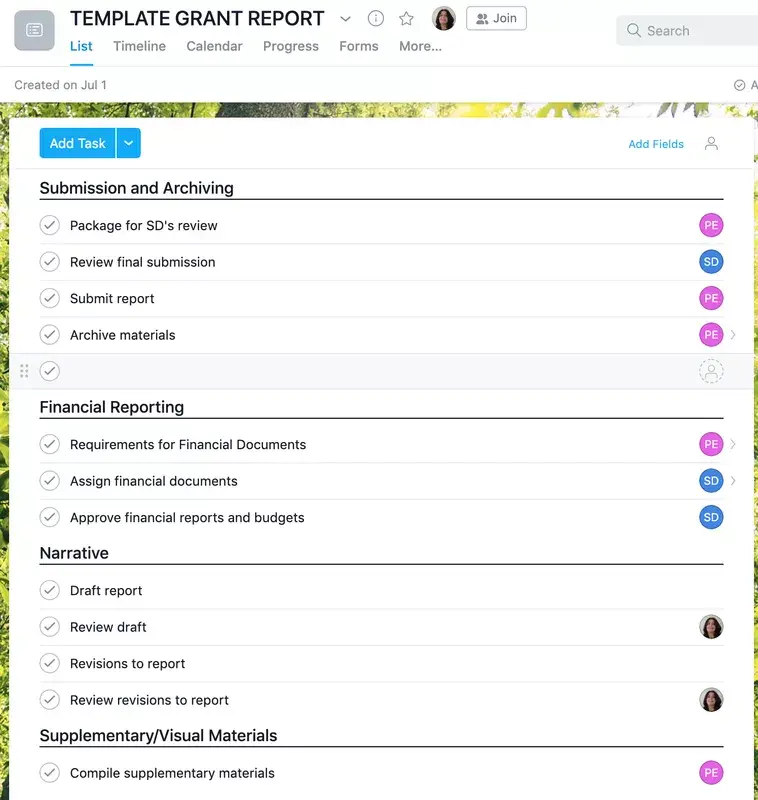
Salah satu masalah yang dialami Stephen sebelum Asana adalah perlunya saluran komunikasi terpusat untuk membantu timnya mengetahui hal yang harus difokuskan dan yang harus diprioritaskan. Sekarang ia membuat rencana kerja tiga bulan di Asana bersama bawahan langsungnya dan telah membuat model yang dapat digunakan oleh Bagian Sumber Daya Manusia dan supervisor lainnya. Hasilnya, semua orang lebih berfokus pada hasil, memiliki kejelasan tentang hasil yang diinginkan, dan mengetahui tanggung jawab mereka. Dengan mengurangi fokus pada detail administratif kecil, pegawai Stand.earth dapat melakukan percakapan yang lebih strategis. Selain memiliki ruang untuk berpikir secara strategis, semua orang juga diberdayakan untuk mengambil alih pekerjaan dan menjadi manajer proyek.
Kami sekarang memiliki akuntabilitas yang lebih baik dalam tim sehingga kami dapat melakukan percakapan yang lebih strategis di seluruh organisasi alih-alih berfokus pada mencegah detail kecil luput.
Stephen dan timnya kini juga dapat berkolaborasi secara mulus dengan mitra eksternal mereka, seperti kontraktor atau desainer, menggunakan Asana. Alih-alih mengandalkan email dan dokumen bersama, Stephen dapat melibatkan kolaborator eksternal menggunakan fitur privasi dan tamu Asana tanpa dokumen tambahan apa pun. Asana menghemat waktunya dengan menghilangkan tugas administratif yang terkait dengan onboarding mitra eksternal dan beban karena khawatir jika seseorang mungkin melihat sesuatu yang tidak seharusnya dilihat.
Sejak kami meningkatkan efisiensi pengoperasian dengan Asana, stres di seluruh organisasi berkurang dan kepercayaan di antara anggota tim terbangun. Dan kami lebih menikmati pekerjaan.
Ketika Akuntabilitas menghasilkan pertumbuhan—dan planet yang lebih sehat
Asana tidak hanya membantu Stand.earth dan tim Stephen menjadi lebih akuntabel, berorientasi pada hasil, dan berfokus pada tenggat, tetapi juga memungkinkan mereka mengidentifikasi 10% lebih banyak prospek baru karena proses mereka efisien dan informasi terpusat. Dengan prospek hibah ini, mereka mengalami peningkatan pendanaan sebesar 17% hanya dalam satu tahun karena tim keterlibatan investor dan tim permintaan prospek mereka lebih terkoordinasi. Mereka dapat menindaklanjuti dan memupuk hubungan, bukan hanya mencoba bertahan.
Jika dilihat dari luar, dari pekerjaan harian Stephen dan Timnya, mereka mengamankan pendanaan untuk membuat dampak besar pada lingkungan. Dengan memberikan kejelasan pada tingkat dasar—melalui hal-hal kecil seperti tugas dan kalender—mereka dapat membuat perubahan besar. Sama seperti detail kecil dalam hidup kita yang memiliki dampak besar pada lingkungan, dari cangkir kopi hingga celana jins, pekerjaan harian yang dilakukan Stephen dan Timnya memiliki dampak besar pada cara Stand.earth mencapai misi mereka.
Dengan Asana, kami dapat mengidentifikasi 10% lebih banyak prospek hibah baru dan mencapai pertumbuhan pendanaan 17% karena pekerjaan kami lebih terpusat, terkoordinasi, dan efisien.
Hubungkan dan tingkatkan pekerjaan Anda
Berdayakan seluruh organisasi Anda untuk memberikan hasil yang terbaik dengan Asana.