Starting a professional community: Our story behind Engineering Leadership NYC


Have you ever wondered what it takes to build an in-person professional community around a topic you’re passionate about? Despite living in a hyper-connected world, many of us still feel isolated and unsupported in our work. We long for deeper, face-to-face connections with others who share similar challenges. In this article, we’ll share our learnings from building “Engineering Leadership NYC”—a thriving community for software engineering leaders that regularly meets in New York City.
The Community We Built
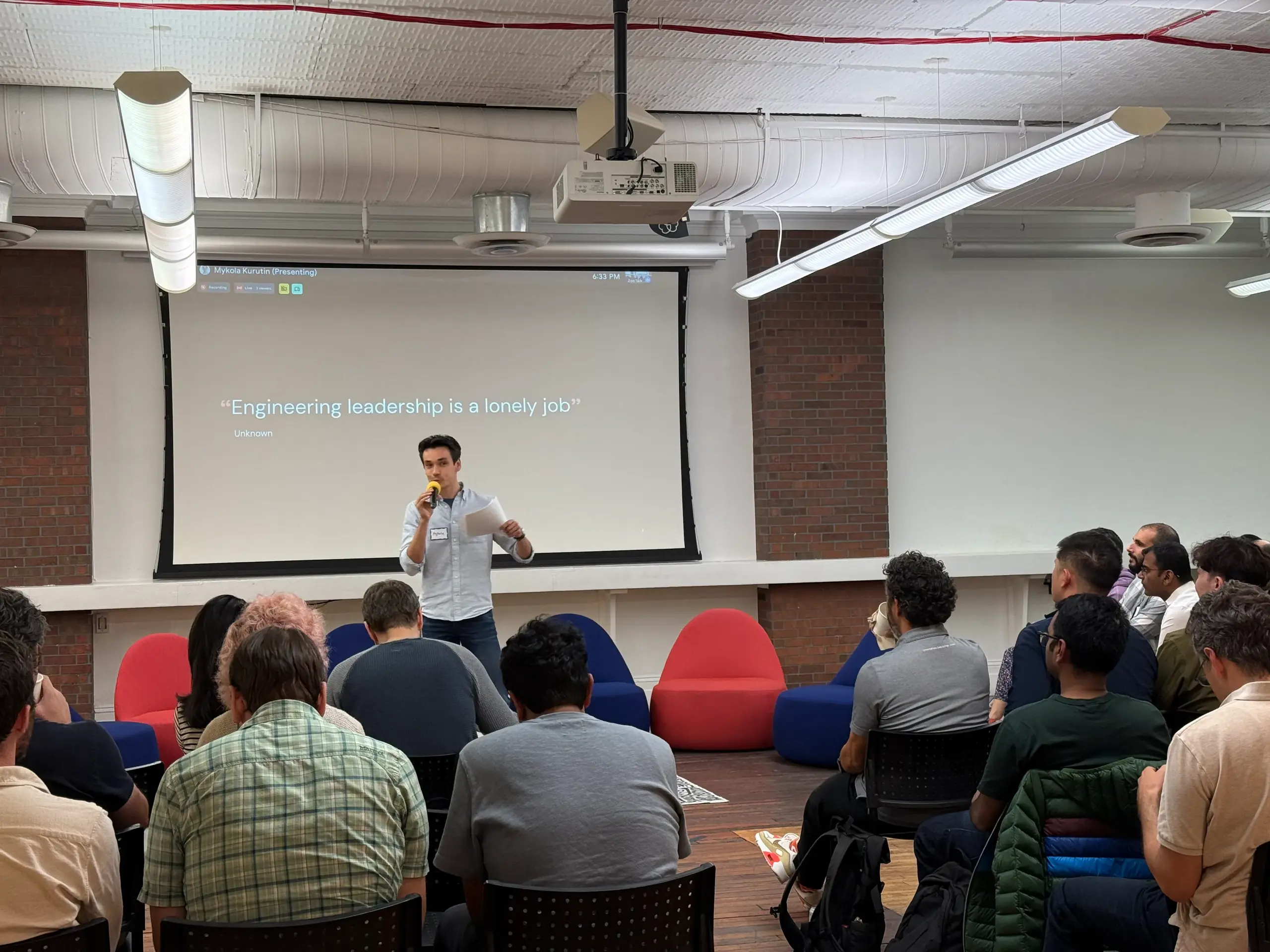
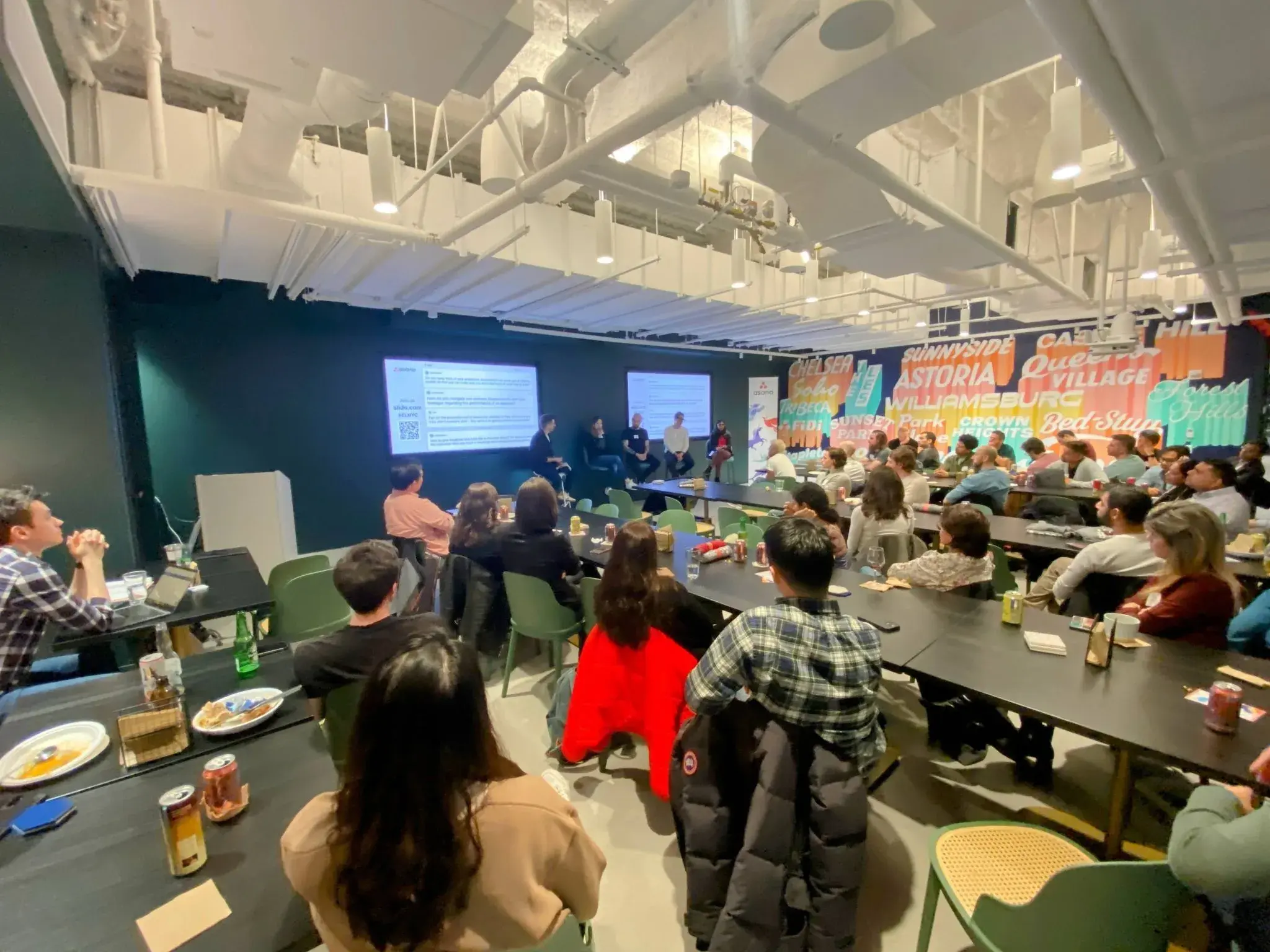
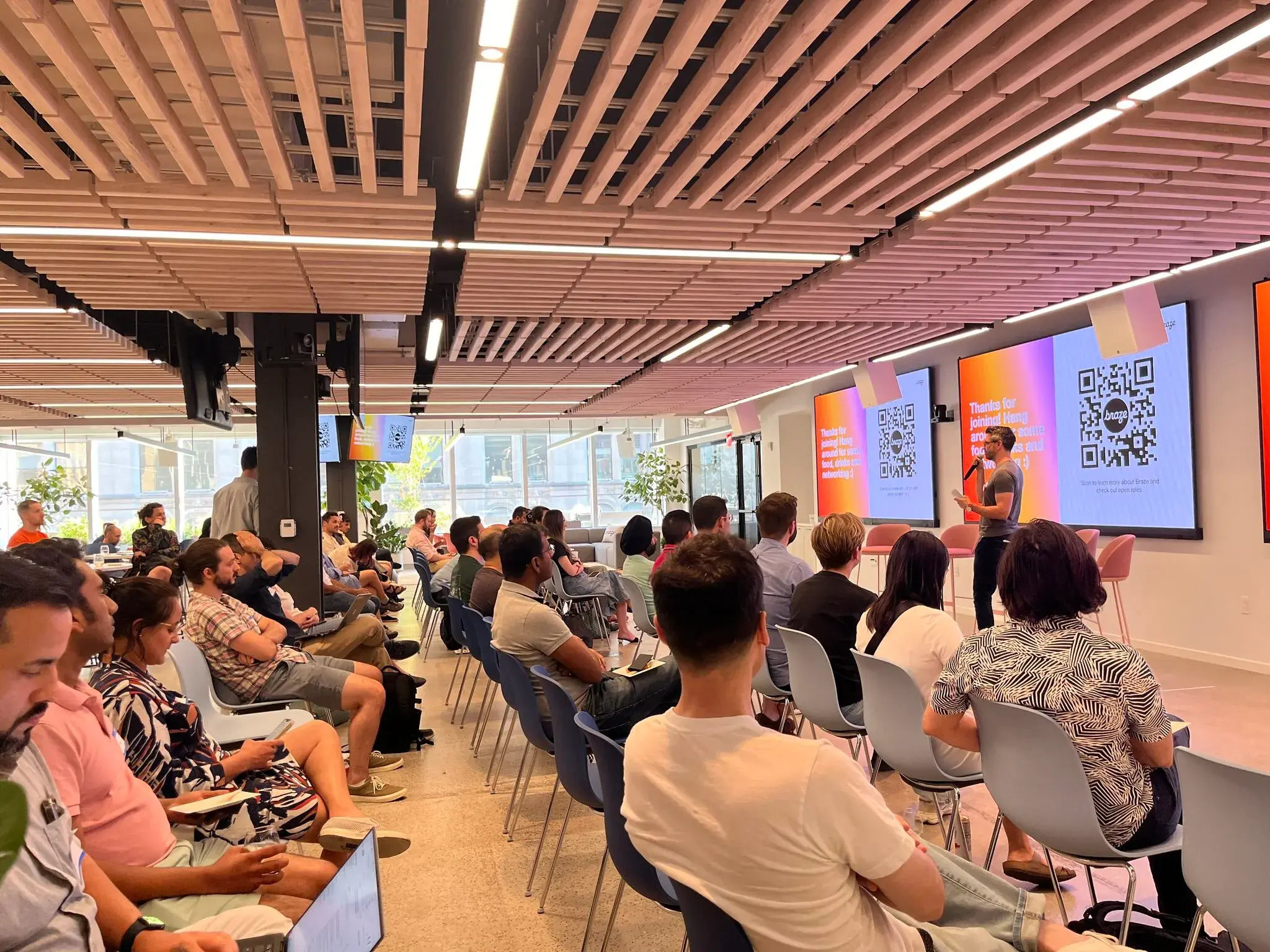
Engineering Leadership NYC hosts in-person meetups for Engineering Managers, Directors, and Staff+ Engineers. Since October 2023, we’ve gathered 50-100 attendees in a single room every other month. Sponsored and hosted by various software companies in the city, our events serve as a forum for engineering leaders to exchange knowledge and build connections that enrich their careers. Each meetup is a deep dive into a single, relevant leadership topic, featuring lightning talks from community members, a panel discussion, and live Q&A. We also pepper our events with ample networking time to build relationships and foster the community.
Making Engineering Leadership NYC successful
Aligning the Incentives
Reflecting on what worked for Engineering Leadership NYC, the first thing that comes to mind is aligning the meetup with the needs and aspirations of everyone involved: community members, sponsors, speakers, and us—the organizers.
For our community members, we addressed the isolation often felt in leadership roles, particularly in workplaces where seeking advice from bosses or peers is challenging. Additionally, we tapped into the post-pandemic craving for in-person connections and the ongoing need for new job opportunities.
The benefits for our sponsors—software companies in NYC— were clear: enhancing their hiring pipelines and showcasing their employer brand and culture. Their support in providing venues, food, drinks, and marketing budgets was crucial, creating a win-win scenario for everyone involved. This alignment ensured our community events were attractive and well-attended.
We simplified the daunting task of finding speakers by opening the stage to all community members willing to build their personal brand and satisfy their innate motivation to give to others. From a personal perspective, organizing these events allowed me to blend what I enjoy and excel at—planning—with the challenge of improving my public speaking skills, helping me step out of my comfort zone while still feeling competent. This mix keeps me engaged and sustains my investment in running the events.
Following in the Footsteps of Others
Setting up a meetup for the first time can be daunting, but replicating the success of others provides a smoother path. We saved time and avoided headaches by teaming up with experienced event organizers and seeking their guidance and support.
Allow your hand to be held for the first time you host. Consider partnering with individuals in your company who have experience organizing corporate events, such as those in marketing, office management, or talent acquisition. Our decision to partner with the Asana Talent Acquisition team was one of our most leveraged choices.
Reach out and get advice from other meetup hosts. This can provide you with useful tips or affirmation that you’re on the right track. Personally, I benefited greatly from my involvement with Toastmasters International, where I learned essential facilitation, meeting structuring, and audience engagement techniques.
Creating external pressure by committing to an event can drive you to follow through. For our first event, we secured a high-profile conference speaker and promised to host them on a specific date, pushing us to organize without fully knowing what we were undertaking. This commitment ensured we took necessary actions despite fear and uncertainties.
Showing relentless attention to details
We learned that being detail-oriented is crucial in event organization and believe this has set Engineering Leadership NYC apart from many other meetups.
From the very first event, we prioritized creating a stellar guest experience. We meticulously planned every detail—how many reminders attendees would receive and when, how they would find the right elevator to the venue, handling RSVP discrepancies, and making sure the venue layout encouraged networking. Almost nothing was left to chance. To make networking less awkward, we distributed conversation starter cards. To boost feedback, we offered a $30 Amazon Gift card raffle for those completing the post-event survey.
In true engineering fashion, we planned for things to go wrong. By adding redundancy to our agenda and speaker lineup, we ensured content quality, even if a speaker couldn’t make it. We set a cadence of follow-ups and check-ins with speakers, encouraging early preparation to minimize last-minute cancellations.
Our hunger for feedback was a constant. After each event, we sent out surveys and engaged with attendees to learn what worked and what didn’t. While our initial format wasn’t perfect, we implemented small improvements with each iteration. Ultimately, the positive feedback from our audiences inspired and drove us forward.
Investing into a system that works without us
To ensure the longevity of the community, we needed a system that could function without much time investment from our side. We focused on identifying the most labor-intensive and risky aspects of organizing a meetup and streamlining them.
We utilized Asana to create a project template for event planning. Every event we organized was a project with a sequence of tasks in Asana. This helped us manage milestones and due dates efficiently, ensuring alignment between organizers through task collaboration. Each of these projects was instantiated from a single event planning template that was updated regularly, reflecting our growing experience from each event.
Finding speakers was initially our most labor-intensive task. By opening the stage to our community and inviting audience members to share their experiences, we simplified and streamlined the process. We transitioned from curated speakers that we needed to spend more time looking for to supporting community members with their presentations. The change made it easier to maintain a constant stream of good content and fostered a sense of ownership and participation within the community.
People always ask how we find speakers and venues for each event. My answer is the “power of network effects.” Everybody knows somebody. Our first speakers came from our co-founders’ network. For the second event, attendees helped find speakers and a venue, sparking a chain reaction. Be curious and friendly, talk to attendees, and offer partnership opportunities for future events. Sometimes you won’t get immediate results; other times, it leads to unexpected places. Networking isn’t daunting; it requires consistent small efforts to engage with your event attendees. Do it a few times, and you’ll be amazed at the compound effect of those conversations.
In summary
Building a buzzing professional community is all about aligning with everyone’s needs and tapping into network power. Start by figuring out what makes participants, sponsors, and speakers happy, so they keep coming back. Don’t go it alone; team up with folks who've done this before to guide you through tough spots. Plan every detail carefully, but be ready for surprises. Use tools like Asana to make planning easier. Leverage your network—everyone knows someone who can lend a hand. Regularly connect with attendees for unexpected and rewarding surprises. Let your community take the stage to keep things fresh and foster ownership. Lastly, listen and tweak things based on feedback to make each event better than the last.
Why not dive in and commit to organizing your first event? Start by setting a date, and the rest will follow. The key is to get things rolling; details can be figured out along the way. Take the leap and watch your community take shape!
Kami sedang merekrut!
Telusuri peluang karier di Asana. Jika Anda tidak melihat posisi yang cocok untuk Anda di Asana saat ini, daftar ke Talent Network Asana untuk selalu mengetahui peluang karier dan kehidupan di Asana.
About the Author
Mykola Kurutin is an engineering leader with over 16 years in the software industry. After eight years of building engineering teams and products as a traveling consultant, he found a passion for supporting others in their career journeys. Today, he channels this passion by managing product engineers at Asana and leading Engineering Leadership NYC—a professional meetup dedicated to connecting and empowering local technology leaders.