Getting to zero: how Asana Culinary minimizes food waste
At Asana, our mission is to help teams be more effective at achieving their goals. But our work doesn’t stop with our product. We constantly strive to make our own teams more efficient, from developing internal tools to streamlining company-wide communications.
The culinary team is one of the most visible examples of internal effectiveness at Asana. By committing to using every component of food, they reduce costs for the company while also doing their part to reduce the amount of waste in the world. The Environmental Protection Agency estimates that in 2014, over 250 million tons of waste were recycled, composted, combusted with energy recovery, and landfilled. Of that waste, nearly 30% was food.
Striving for zero waste isn’t just good for our bottom line and for Mother Earth, it’s also a fun challenge for our culinary team. Our 15 chefs are constantly thinking of creative ways to repurpose every piece of food and turn it into a fresh, delicious, and healthy dish. The proof is in the pudding. The culinary team estimates that Asana’s food waste is approximately 5-10%, which is extremely low for a kitchen that produces at such a high volume. But there’s always work to be done to lower their waste even further.
Three main principles help the Asana culinary team reduce waste: extend the lifecycle of every ingredient or dish, use the whole vegetable or animal, and repurpose leftovers.
Extend the lifecycle of every ingredient or dish
Part of reducing waste is extending the lifecycle of a dish or ingredient. To do that, the culinary team follows the same cycle for every dish:
A new dish goes out.
Leftovers are taken back to the kitchen.
Chefs assess the remaining ingredients and use their creative juices to find ways to repurpose them.
Leftovers get used in new dishes and creative recipes.
A new dish goes out. (…and repeat…)
For example, if asparagus is served at lunch one day, it might get scrambled with eggs the following morning, tossed in a salad at lunch or dinner, or pureed into a soup. It might even go through all these stages!
Maximize use of each vegetable or animal
Using every possible part of every vegetable or animal that enters the Asana kitchen is important to our waste reduction efforts. To do so, our chefs use stems as salad toppings and add them to other vegetarian dishes. Additionally, any leftover vegetables are used in sauces, soups, and “domes” (vegetarian burger-style patties). The team also runs an in-house butcher program that practices “whole animal butchery.” This includes using bones to make stocks for all our soups.
Don’t let leftovers go to waste
A lot of food waste comes from leftovers, so the culinary team is committed to using them in as many ways as possible. Here are some examples of how they use leftovers over and over:
Leftover rice is used to thicken sauces.
Water from soaked beans—which turns into aqua-faba—is used as an egg replacement to bind ingredients in treats such as meringues, macaroons, and vegan cheese.
Leftover fruit scraps are used to make “tea coolers” and spa water.
While using leftovers might seem like a daunting process, the team makes it easy. They repurpose food on a day-after basis, labeling and dating everything with the original menu cards so they know what ingredients have been used and how many times.
How we can all reduce food waste
While the culinary team’s waste reduction efforts might make our individual impact seem lackluster in comparison, it’s important that we all do our part—not matter how small— too. Here are our top two tips for how you can reduce waste:
Take stock of your consumption. Remember that your eyes are often bigger than your stomachs, so start with smaller portions.
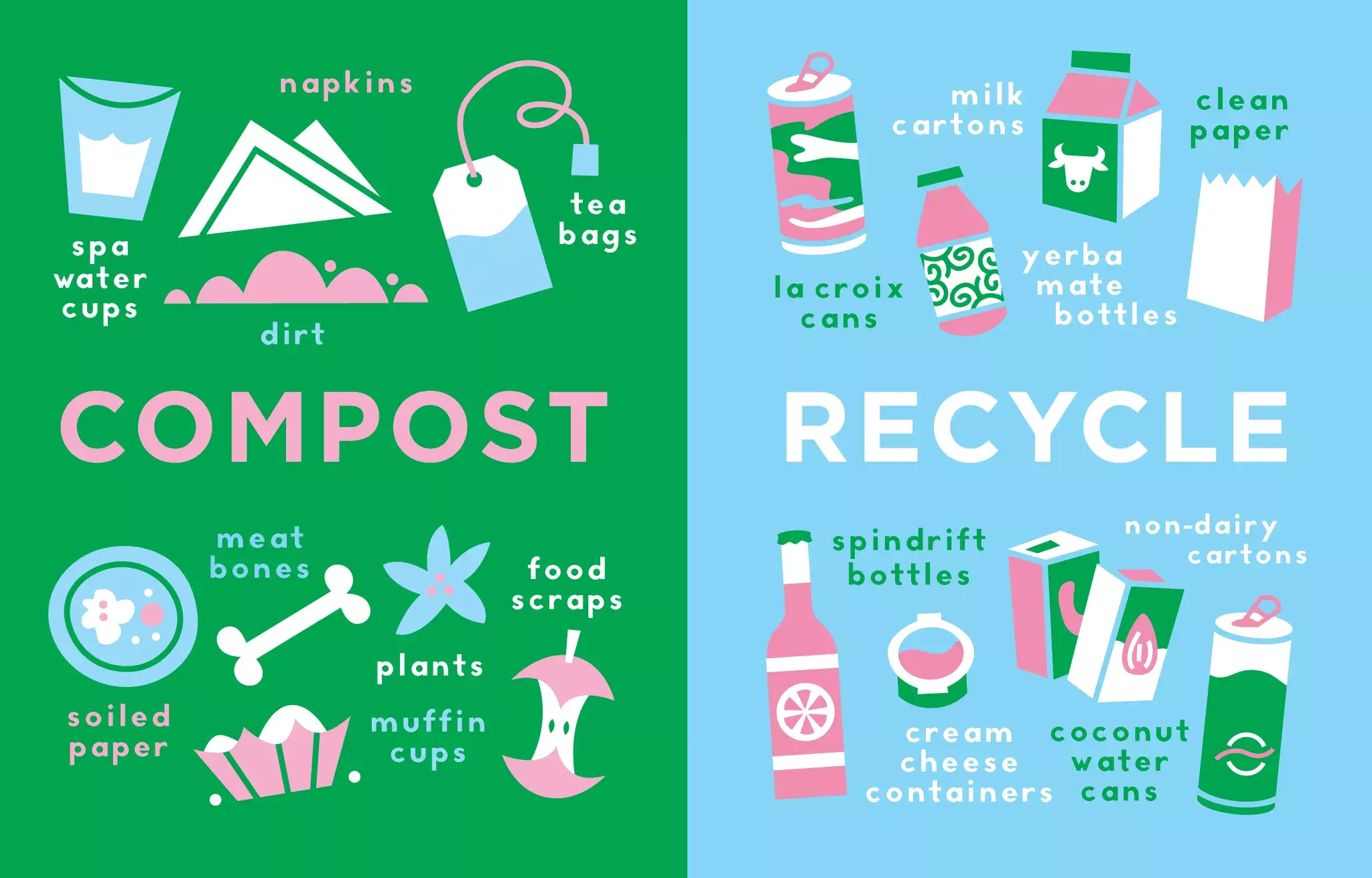
Properly dispose of your waste—including trash, recycling, and compost. This is so important to minimizing waste overall. After all, compost is one of the best ways to repurpose food for you into food for the earth.
In an effort to increase mindfulness around waste in the office, the culinary team challenged Asanas to reduce their waste at mealtimes by following the above tips. During lunch on Earth Day, only 25 pounds of waste were thrown out. We will continue to track our waste—from kitchen scraps to plate scraps—and share our progress on Instagram.
We’d love to hear how you reduce waste in your office (or home)—tell us in the comments—and if you’d like to join a team dedicated to food efficiency at work, check out our open positions.