


Why I joined Asana: R.J. Aquino, Engineering Manager


Welcome to our monthly “Why I joined Asana” series! Every month, we talk with Asanas across our teams and offices—from Dublin to Sydney—to get to know the people inside the company and learn why they chose to work here.
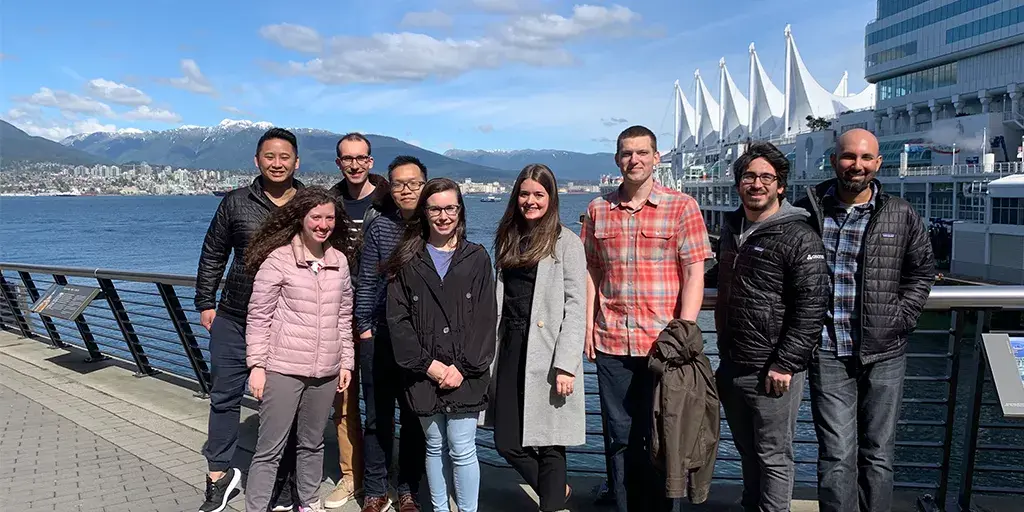
R.J. Aquino is an Engineering Manager who started his Asana journey five years ago. He joined Asana as a Product Engineer right out of college, and has since worked on multiple Engineering teams. Today he works out of our Vancouver office as a manager helping us build our newest development center. Read more about R.J.’s #teamasana story below!
How did you become interested in working at Asana?
One of Asana’s first engineers came to my college campus to give a tech talk, and I was impressed by the technology, culture, and team. I’d heard great things about the Asana engineering team and from my own research and use of the product at a previous internship, I knew they had a clear product vision, growing user base, and strong business trajectory. It was also important to me to join a team large enough that it had interesting product and engineering challenges, but small enough that I could work on the most important challenges at the company. I ended up joining Asana as an Infrastructure Engineer right after graduation and then switching to Product 18 months later.
What team are you currently on, and what are some of the most interesting aspects of your role?
I’ve had the opportunity to work on in variety of roles and teams since first starting at Asana five years ago.
After starting on the Infrastructure team I moved to Product Engineering where I spent several years working on core features like custom fields, growth and adoption experiments, and platform integrations like our Slack integration. During this time I also had the chance to serve as both a team lead and a technical lead in San Francisco. Currently, I’m an Engineering Manager in our new Vancouver development center. As a member of the landing team in Vancouver, I wear many hats. Initially I partnered with the team in San Francisco to make sure our team in Vancouver had clear, impactful work to focus on. Now I work on scaling our Engineering team for international growth and also work directly with our engineers in a tech lead capacity to help them build new features.
What was your journey to becoming an Engineering Manager?
Asana believes in empowering individuals to take complete ownership over their work since this often results in faster execution and decision making. When I was a new engineer at Asana, I had the opportunity to drive technical projects, lead initiatives, and run a Product Engineering team in partnership with a Product Manager. During our annual Roadmap Week, I found myself drawn to meetings about growing our Engineering team and the company as a whole. Eventually, I made the choice to pursue Engineering management, which has allowed me to continue contributing to the overall organization. When I’m not focusing directly on the output of an engineering team, I’m working on our hiring and onboarding practices and management processes so we can support continued growth. The processes that worked when we had 30 engineers won’t scale when we have 300, so we’re constantly iterating and improving while making sure the experience for every engineer is engaging and exciting.
What are you most excited for as you grow in your role at Asana?
Being on the landing team in Vancouver is an exciting opportunity for me. I’ve seen Asana grow from 70 employees to more than 500. Now I’m back in a 10-person office and excited about continuing to build our team over the course of the next year.
What’s it like to use Asana the product everyday?
I really appreciate the transparency we have as an organization. Usually companies become more siloed as they grow, but our product makes it so easy to see different projects and initiatives that are going on across the business. When our Engineering team is building a feature, we coordinate all of our Product, Engineering, and Marketing work in Asana. It’s easy to see what’s going on, regardless of what team or office we’re in!
What principle or value have you carried with you along the way, and where did you first hear it?
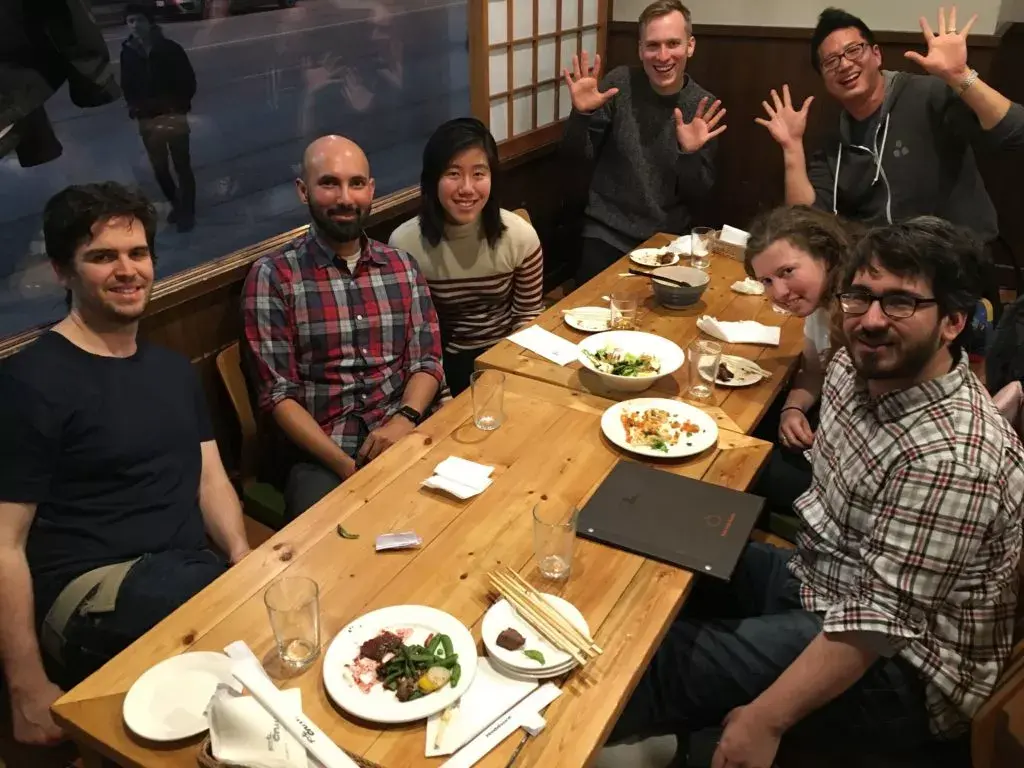
One of Asana’s core Engineering principles is, “Fix problems, even if they aren’t yours.” As we’ve grown, we’ve continued to embody this value and I believe it helps us still feel small and connected. If a Product Engineer notices an issue with our infrastructure, they help investigate. If someone realizes a vulnerability in our internal script, they write and check in a fix. I’ve definitely held onto this value over the years and it’s helped me form connections with new Engineers and teammates in all of our offices around the world.
If you could give a new Asana one piece of advice, what would it be?
Stay curious. At Asana, we have a Shipping and Launches project that tracks every feature and improvement being built by different teams across the company. A new Asana should follow that project to stay up-to-date on all of the exciting work happening in the company. I would also advise them to check in on other teams’ Slack channels, like #prod or #uzerops, to see what what they’re talking about and how they’re collaborating. Successful cross-functional collaboration requires a strong understanding of each others’ motivations. It’s up to each of us to get curious and interested! Our team is growing fast in Vancouver! Our new development center is home to Asanas across Product, Engineering, Design, and UX. We’re excited to keep growing our team with people who care about building great products and scaling culture. Come see what we’re all about at https://asana.com/jobs/.