


Building Asana’s team one relationship at a time: Farbod Forouzin
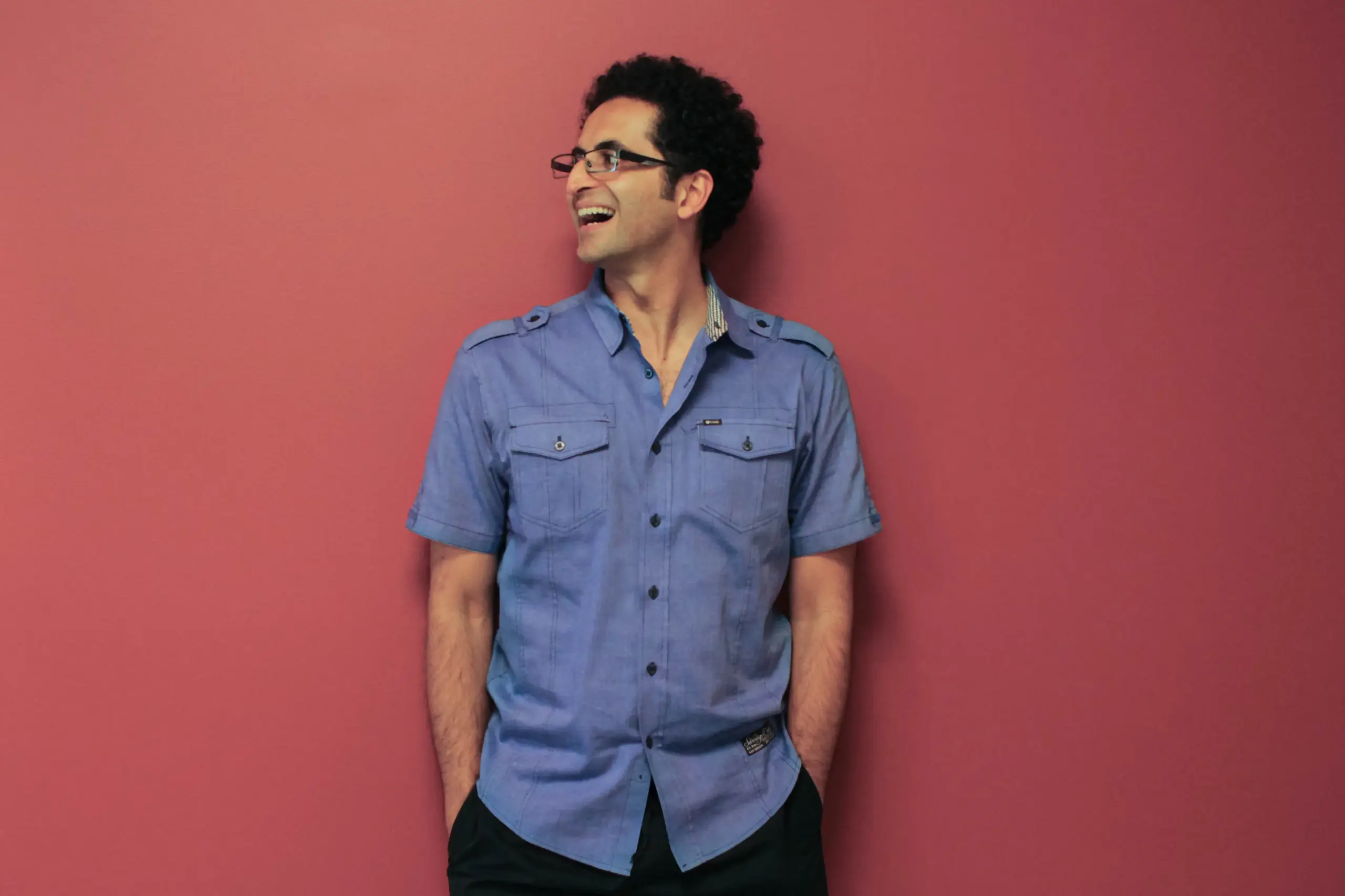
Over the last few months, we’ve shared how Asanas spend their days, what drives them, and how they’re shaping our company, product, and the future of work. Today we’re handing the mic to Farbod, our lead technical recruiter, who spearheads our efforts to build out our product team of engineers, product managers, and data scientists.
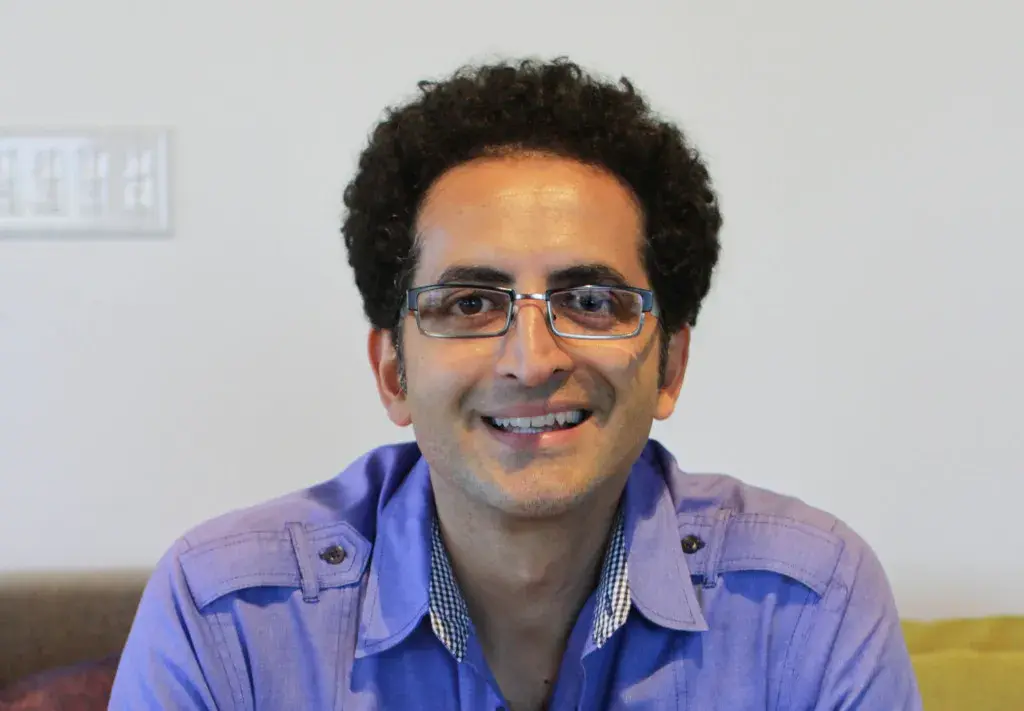
Born in Tehran, Farbod lived in London before settling in the Bay Area. Like many recruiters, he never anticipated he’d end up in this field. Find out why he got into recruiting, what he thinks of Asana as an applicant tracking system (ATS), what ritual he shares with his daughter each day, and why recruiting is one of the most important functions at any company.
Before Asana
You’re on the recruiting team, but recruiting is not your background. Where did you begin your career, and how did you get into recruiting?
I was a business major in school with a concentration in human resources and a minor in psychology: I was drawn to the human aspect of work, and even thought I’d be a psychologist one day.
After college, I returned to the Bay Area during the dotcom boom and landed a job in the HR department at Siebel Systems. That’s how it all started. Knowing I could help people materialize personal and professional aspirations, and being able to build relationships with them really resonated with me.
What set Asana apart when you were interviewing?
I had become so used to hearing artfully spun aspirational missions and portrayals of progressive company cultures that I was desensitized to them. But there was an authenticity and intentionality at Asana that I hadn’t found before in my career. I had the confidence that Asana deeply believed in its mission, which I saw manifested in culture, values (like mindfulness), processes, practices, and people.
In addition to that, the product resonated more with me than any product I had recruited for in the past. I was really interested in Stephen Covey and the GTD approach, so finding a product that was being built in a really thoughtful, robust way, and from the perspective of a team (instead of an individual, like many to-do list apps) was a truly leveraged opportunity for me.
Recruiting at Asana
How is Recruiting at Asana different?
We approach recruiting in the way it’s always intended to be done but rarely is, in that we really are proactive about building relationships.”
In recruiting, urgent needs, conflicting priorities, and limited visibility cause teams to fall into a reactive mode. While there’s inevitably always some urgency, I think we’ve improved the status quo by constantly engaging with the types of folks we envision hiring at some point.
This approach is certainly high touch and requires lots of planning, strategy, and execution. By anticipating needs that we’ll have months down the road and building relationships now, we’re filling current needs and sowing the seeds that will grow into future hires. If we’ve already identified and cultivated a relationship with a potential future hire, we can more readily bring them onto the team once the timing or opportunity is right.
I like to compare this to the practice of buying gifts: it’s always so stressful to buy a great gift last minute. You’re scrambling and you’re just going to get the best thing you can from the limited options available to you at that time. However, if you’re always looking for gifts for people, even if it’s 6 months ahead of time, and you come across the perfect present in advance, you’ll be ready to make the optimal purchase at the optimal time.
How has relationship-building contributed to Asana’s growth?
We’ve grown successfully because when we’re recruiting, we really look at the whole person. So we choose to explore not just an individual’s skills and aptitude, but also our value alignment. For instance: Are they collaborative? Is there a deep intellectual curiosity and a desire to solve problems in a way that optimizes for long-term growth and success?
These factors contribute to the ongoing success of our team by ensuring we remain a great company building an inclusive and cohesive environment. The practice encourages us to challenge, support, and invest in one another while continuing to passionately pursue our mission.
What is your favorite part of your job?
The consummation of my work – a candidate accepting our offer! I love being very intentional about the process – identifying priorities we’re seeking, being clear and selective, defining a methodology and strategy, maintaining open communication, doing a thorough and calibrated assessment, addressing and overcoming obstacles, aligning goals, and being courageous in crafting win-win propositions. Going through this process with people in an authentic fashion, being present for their needs, and ultimately making a hire is an extremely gratifying experience.
Over the years, I’ve also come to realize that a big part of the draw of recruiting for me is its cross-functional and cross-organizational nature. I feel that our culture of distributed responsibility and collective of peers really helps to foster the fullest manifestation of this.
Recruiting is mostly art and part science, so it really fuels both sides of the brain, and I hear this is a good thing.
Daily Routine and Workstyle
At what time do you usually arrive at the office? How do you get to work?
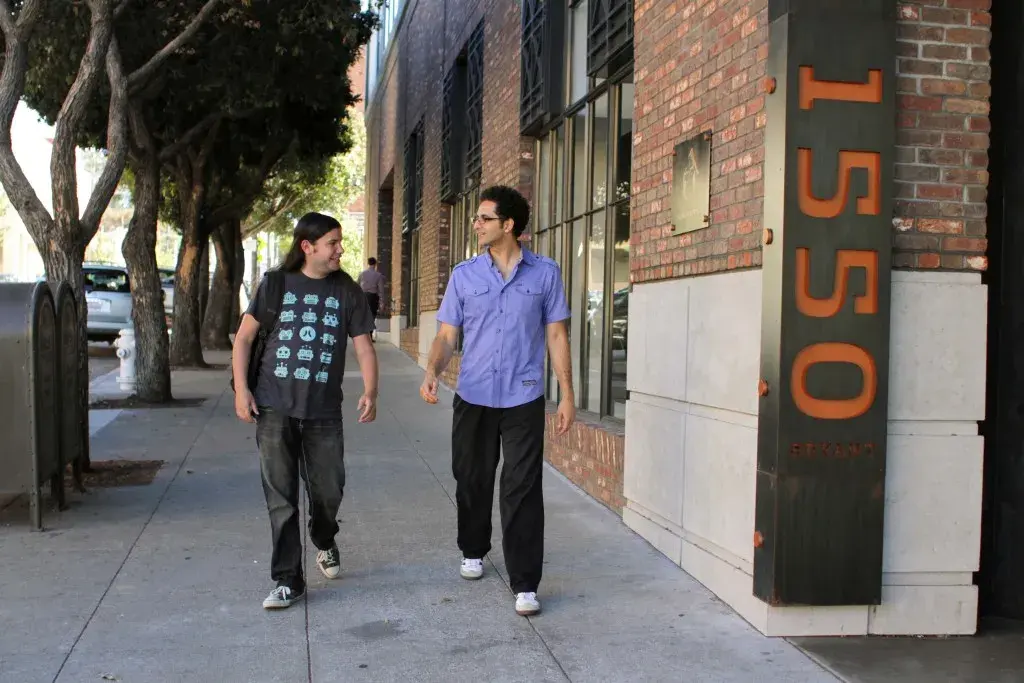
My morning time is daddy time. When I wake up, I often do a quick scan on my phone to check new tasks and updates in Asana, then I go and wake my daughter up, we clown around with one another for a bit, I make her breakfast, and we have our morning smoothies together. I’ll get her ready and usually, I’ll drop her off at daycare, arriving at the office at 10am or later to get started on my work day. I try to ride my (electric) bike to work most days.
Do you structure your day in a certain way? Sourcing, calls, meetings, etc.
There are a number of things I think about when it comes to structuring my day. I have to stay flexible because I’m brokering a lot of other people’s needs, preferences, and restrictions. Part of the job is having the composure and adaptability to be able to flow with that.
I typically use the first 30-60 minutes of my day to clean up my Asana Inbox, go through my emails, and respond to candidates. Then, I often have phone screens scheduled prior to and after lunch, which are preliminary conversations with candidates to start to get a sense for potential alignment, understand their aspirations, build the relationship, answer their questions, and of course, pitch all the reasons someone ought to work at Asana.
I generally try my best to group meetings and calls together, which I think is a practice we’re good at as a company: preserving blocks of time to get into a rhythm do focused work. During that focused time, I write interview feedback, source, or tend to other strategic program work. At the end of the day I take more calls, because that’s often the best time for some candidates to talk.
How has using Asana as an Applicant Tracking System (ATS) changed your experience as a recruiter?
On a micro level, it’s a phenomenal ATS. It’s not cumbersome, sluggish, or unintuitive — like most traditional ATSs (I won’t name names) — and serves exceptionally well in supporting a recruiter’s workflow and contact management efforts. Notably, having the luxury of crafting an in-house product with the support of engineers building scripts and automations is pretty empowering.
On a macro level, dogfooding our product with everyone else at the company helps to bring our team that much closer to everyone else and keeps recruiting seamlessly integrated into our workflows.
How is recruiting perceived across the company as a whole?
I’ve often seen pockets of strong support for recruiting across companies, with certain groups or hiring managers who are really invested in growing their teams.
At Asana, a high level of investment in recruiting is the norm across the board. Dustin and Justin, our co-founders, set the tone in this regard, both through their personal efforts and also by making sure that everyone else understands the huge significance recruiting has in our ability to deliver on our overarching goals and objectives.
While there’s a certain amount of pressure on our team to fill roles, there’s an understanding, empowerment, and excitement that encourages the entire organization to always be recruiting (known as ABR, internally). That said, we’re hiring — and I hope I’ll get to talk to you soon.